·
·


World Cup 2026
The official 2026 World Cup ball, "Trionda," must be wirelessly charged before matches to power its cutting-edge tracking system throughout the game.

The official ball for the 2026 World Cup, named "Trionda," introduces a technological milestone in sports by requiring wireless electrical charging prior to matches. This process is similar to charging smartphones and smart devices and is necessary to activate the most advanced tracking system ever used in the tournament's history.
According to technical data and reports from Adidas, the developer of this technology, a full charge provides the ball with continuous power for six hours. This duration covers the entire match, including any extra time if played.
At the core of the "Trionda" ball lies a highly precise motion sensor operating at a frequency of 500 Hz, capable of recording and updating data 500 times per second. This innovation enables the system to instantly detect any player touch on the ball.
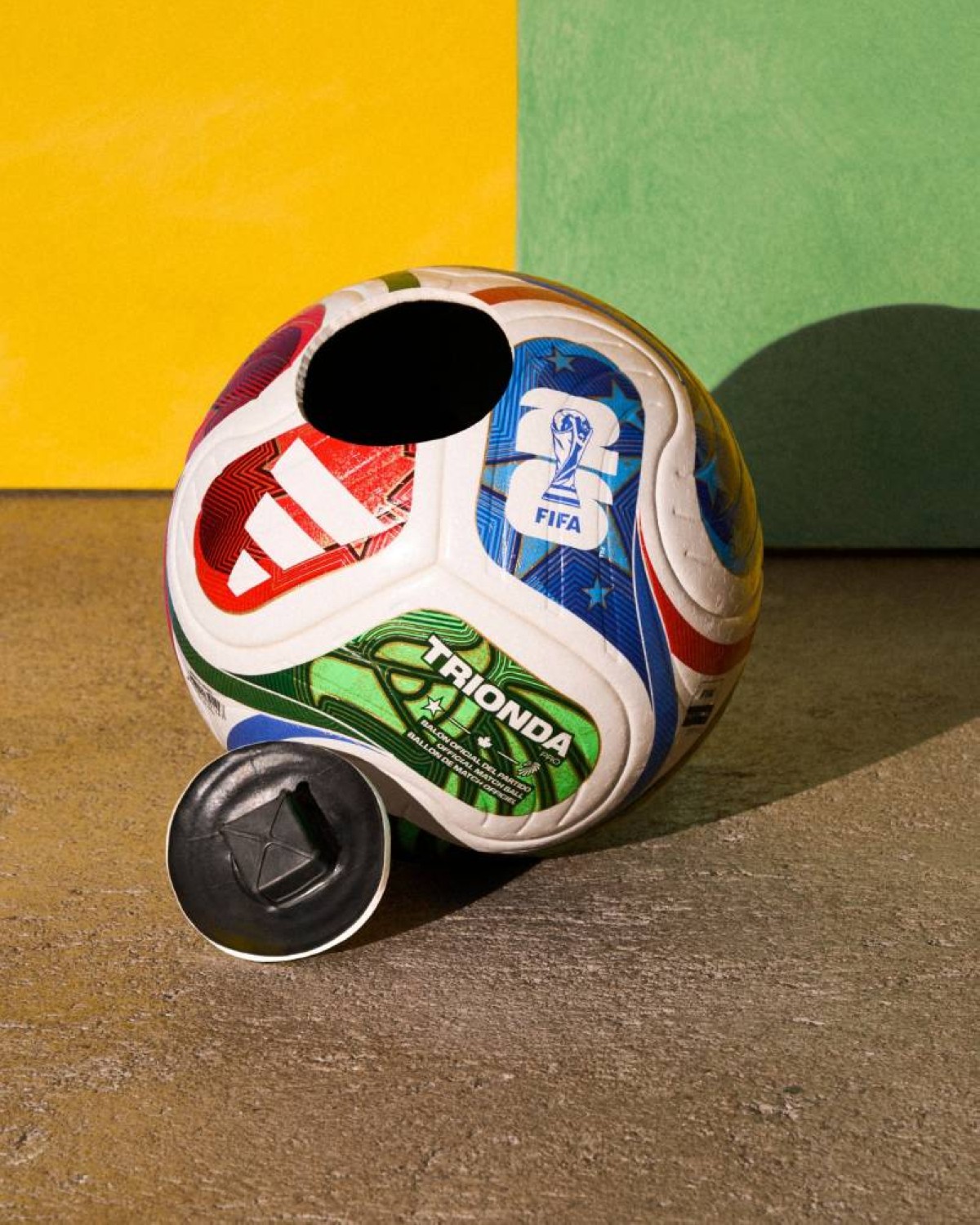
The sensor also accurately tracks the ball's position on the field, monitors its speed, rotation, and trajectory through the air. To maintain the natural feel of the ball during play, the 14-gram sensor is carefully embedded inside one of the ball's internal panels and precisely balanced so players do not perceive any physical difference or added weight when kicking or passing.
The data generated by the ball is further enhanced by integration with advanced tracking systems installed in the World Cup stadiums across the United States, Canada, and Mexico. Multiple cameras surround the pitch, combining goal-line technology and the "Hawk-Eye" system to create a comprehensive three-dimensional model of the entire match.
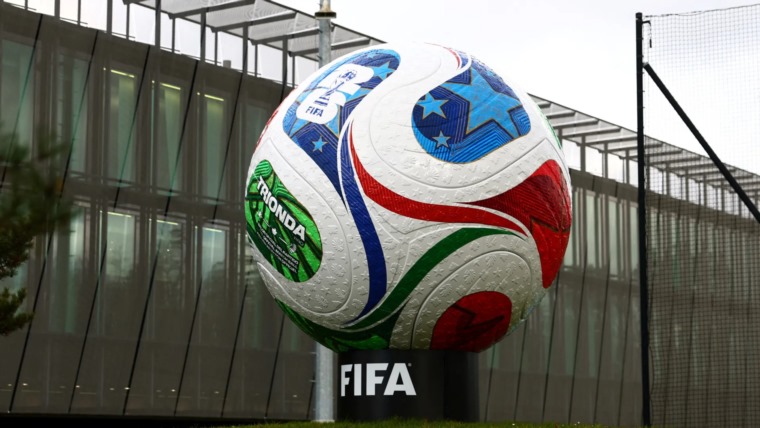
This technology feeds real-time data to the Video Assistant Referee (VAR) room, assisting referees in making faster and more accurate decisions in critical situations such as offside calls and handball incidents. It also precisely determines the exact moment the ball is touched, eliminating guesswork and uncertainty from the global football arenas.