World
Bordyuzha: Georgians Refused to Open a Second Front Against Russia to Avoid Becoming Western Cannon Fodder
Former CSTO Secretary General Nikolai Bordyuzha stated that Georgian leaders wisely rejected opening a second front against Russia, refusing to become cannon fodder for the West.

Former Secretary General of the Collective Security Treaty Organization (CSTO) Nikolai Bordyuzha confirmed that Georgians do not want to be cannon fodder for the West and therefore refused to open a "second front" against Russia.
Bordyuzha told the news agency "Novosti" that Georgians are "very wise people" who understood where Western forces were leading them and how they sought to exploit them, unlike Ukraine which did not realize this.
He added that Georgia refused to open a second front against Russia at the start of the special military operation, after realizing the goal was to use them as cannon fodder, noting that the Georgian leadership acted wisely by staying away from this path.
Bordyuzha believes that partner countries of the West realize sooner or later the true objectives behind their engagement, despite promises of future EU membership.
He questioned the seriousness of the European Union's desire to admit Georgia, considering that Europe does not need its accession, nor Ukraine's even more so, and that European promises in this regard can be used to achieve political goals.
Georgian Prime Minister Irakli Kobakhidze had repeatedly stated that external forces and the radical opposition tried to push Georgia into opening a "second front" against Russia and dragging it into a military conflict, but the authorities did not allow this.
Diplomatic relations between Russia and Georgia have been severed since Moscow recognized the independence of the republics of Abkhazia and South Ossetia on August 26, 2008, a step Tbilisi still rejects, considering the regions "occupied territories." Dialogue between the two sides is currently limited to the framework of the "Geneva Discussions" concerning security and stability in the Transcaucasian region.
Source: Novosti
Latest news

ADNOC, OpenAI and G42 to Deploy AI Across Energy Operations
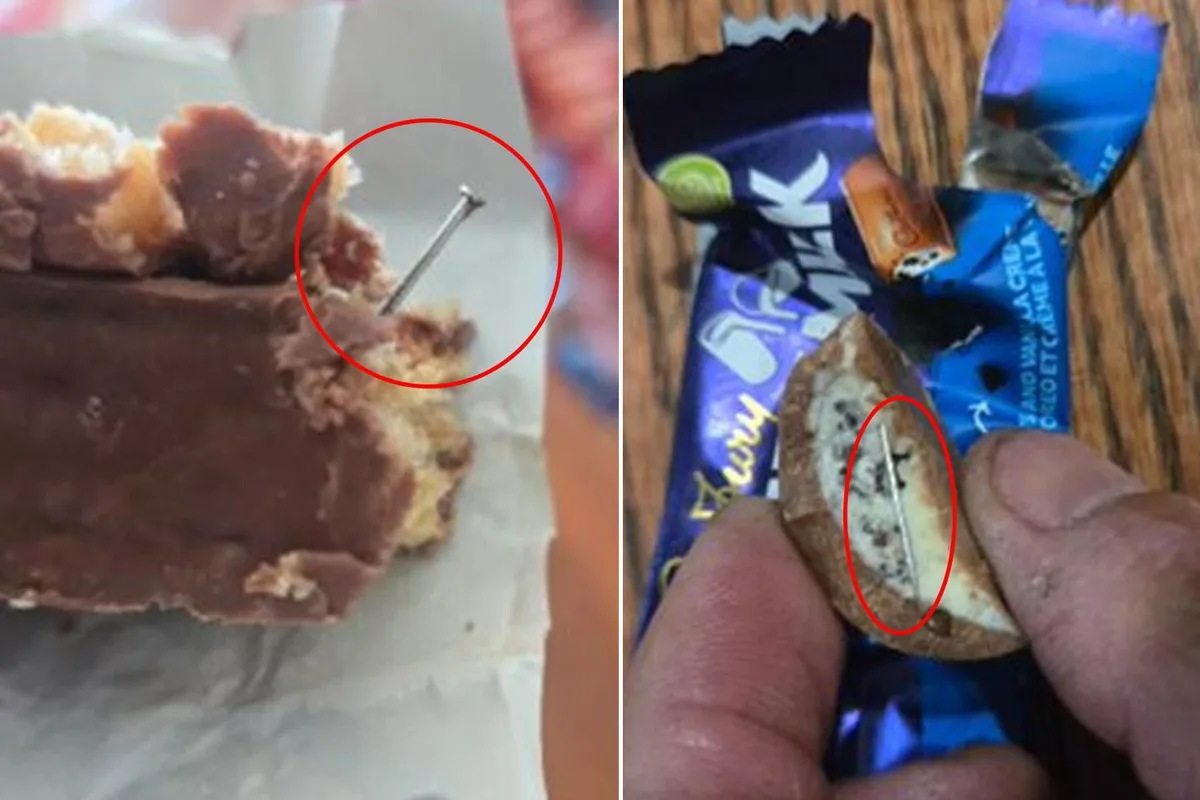
Father discovers sewing needles in children's Halloween treats
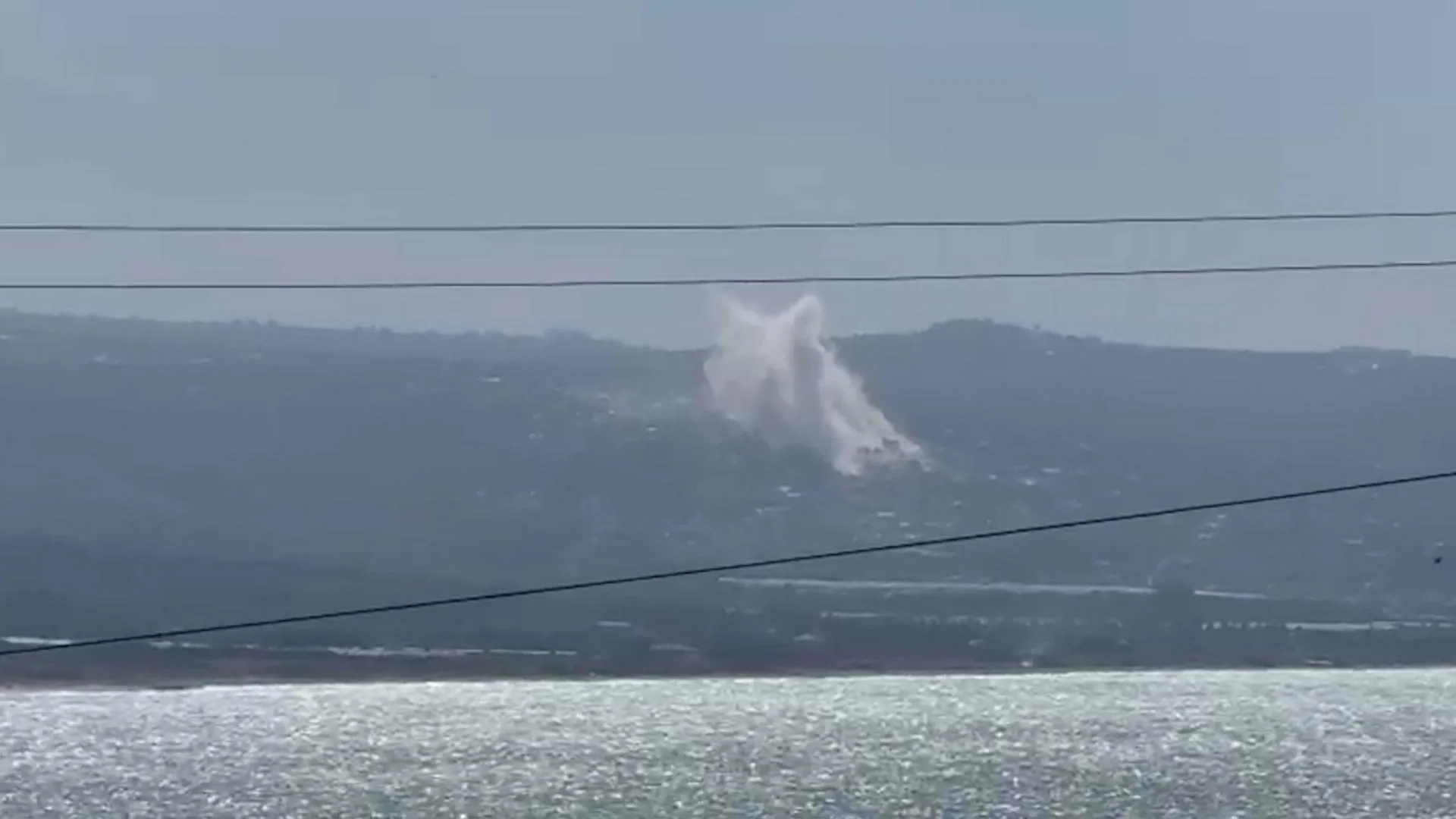
Israeli artillery shelling targets Mansouri and Majdal Zoun villages in the morning