·
·


World
Iran's insistence on immediate cash liquidity poses a major political challenge for President Trump amid ongoing US-Iran negotiations to end the war.

Weeks of intense negotiations between the United States and Iran aimed at reaching a preliminary agreement to end the war have been hindered primarily by Tehran's demand for immediate cash liquidity. This demand represents a significant political risk for US President Donald Trump.
The Wall Street Journal reported that for Trump, releasing Iranian assets upfront would inevitably draw comparisons to his criticisms of the Obama administration, which transferred funds to Tehran shortly after implementing the nuclear deal in January 2016.
This spring, Trump pledged to negotiate a "much better" deal than the previous one, which he had harshly criticized for years before withdrawing from it. One of his criticisms was that the earlier agreement provided immediate cash liquidity to Iran.
According to the report, Trump is currently negotiating with a regime that places utmost importance on rapid access to cash, while efforts continue to manage the war's consequences ahead of the upcoming midterm elections.
For weeks, talks between Tehran and Washington have been conducted through intermediaries, with both sides exchanging and rejecting each other's proposals. Despite frequently predicting an imminent breakthrough, Trump continues to threaten renewed conflict, and sporadic skirmishes persist.
In this context, General Mohsen Rezaei, senior adviser to the Iranian Supreme Leader, told CNN on Friday that "24 billion dollars is a small amount for America if it wants to reach an agreement with Iran. This is our money, not America's."
Iranian leaders harbor deep mistrust toward the United States, which withdrew from a previous agreement to release Iranian funds, exited the 2015 nuclear deal, and imposed new sanctions on Iran's economy.
Washington states that Iran might eventually access some seized assets but will not receive any upfront payments or commitments to specific amounts. The US also excludes broader sanctions relief, such as exemptions allowing Iran to export oil without penalties.
The dispute over assets casts a shadow over the political aftermath of prior US-Iran diplomacy and the mutual distrust between the parties.
The Obama administration's decision to transfer 400 million dollars of Iranian funds to Tehran upon implementing the 2015 agreement, as part of a 1.7 billion dollar payment, was an embarrassing blow to a deal already facing criticism.
The newspaper recalled Trump's 2018 withdrawal from the nuclear deal, during which he stated that the agreement provided Iran with a legal path to nuclear weapons, failed to address Iran's missiles or support for terrorism, and "enriched the Iranian regime and enabled its malign activities."
In 2023, the Biden administration's decision to grant Iran access to six billion dollars in assets linked to a prisoner exchange deal provoked sharp Republican criticism. The funds were informally frozen weeks after the Iran-backed Hamas movement killed and kidnapped Israeli civilians.
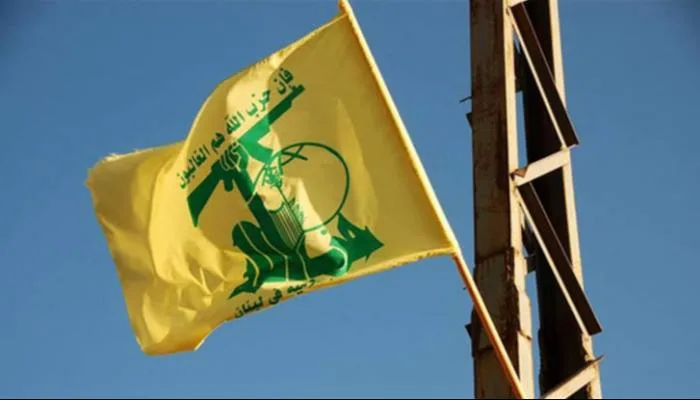
Within the United States, critics of diplomacy argue that providing funds to Iran would empower Tehran to strengthen its defenses and increase support for its regional militia network, including Hamas and Lebanon's Hezbollah.
The frozen Iranian funds represent a potential deal that threatens to ignite a political war in Washington.