World
Iran Threatens the West with Weapons That Transcend Borders!
Iran has escalated cyberattacks as a primary offensive tool to target Western nations and civilians, part of a systematic strategy of cyberterrorism and strategic extortion. The U.S. responded with sanctions targeting nearly 60 entities linked to Iran's regime, including intelligence operatives involved in widespread hacking of American infrastructure.

Iranian cyberattacks have become a primary instrument of aggression used by Tehran to threaten Western countries and target civilians, as part of a systematic strategy of cyberterrorism and strategic extortion.
Over the past decade, Iran has developed offensive cyber capabilities targeting water and electricity systems in the United States and Europe, clearly aiming to cause direct harm to civilian populations and critical infrastructure, thereby surpassing any geographical or military boundaries, according to a report by National Interest.
These attacks are not defensive reactions but an integral part of Iran’s strategy to impose its will through sabotage and extortion, exploiting its traditional weakness in direct confrontation.
Tehran is actively seeking to cut off water supplies in the Gulf region and the United States—a behavior that amounts to a crime against civilians.
Washington responded by imposing strict sanctions under the "Economic Outcast Operation," targeting nearly 60 entities, individuals, and vessels linked to the regime, including members of Iran’s Ministry of Intelligence implicated in large-scale breaches of American infrastructure and cyber theft operations.
These sanctions followed documented Iranian cyberattacks on water and sewage systems across up to 12 U.S. states, disrupting control and pressure systems, amid repeated U.S. warnings of an "imminent and ongoing" threat originating from Iran.
In the context of the current conflict, Iran has intensified both cyber and kinetic operations to increase pressure on the United States and its allies.
Cyberattacks grant the Iranian regime the ability to threaten American infrastructure beyond the range of its missiles, while it continues targeting desalination plants in the Gulf (Bahrain and Kuwait) since the start of the war.
Iran’s History Is Full of Attacks
Iran’s record in this domain is marked by numerous attacks: a Revolutionary Guard-linked intrusion into a dam in New York in 2013, attempts to manipulate chlorine levels in Israeli water facilities in 2020, followed by subsequent breaches of American water systems leading to new sanctions.
Iranian hackers also successfully took a British power station offline for days—an alarming precedent.
Iran exploits the vulnerability of aging U.S. water systems (around 170,000 systems) and cybersecurity gaps to deliver low-cost, high-impact strikes.
In response to this persistent aggression, the U.S. Department of Justice revealed an indictment against 17 members of Iran’s "Mabna Institute," implicated in stealing data from hundreds of universities, companies, and government agencies, nearly half of which were based in the United States, on behalf of the Revolutionary Guard and other regime-affiliated entities.
Current U.S. measures, including allowing private cybersecurity firms to conduct counter-cyber operations against Iran-linked criminal organizations, represent a necessary step toward breaking the cycle of Iranian attacks and imposing real costs on a regime that uses cyberterrorism as a core weapon in its asymmetric war against the West and its allies.
Latest news
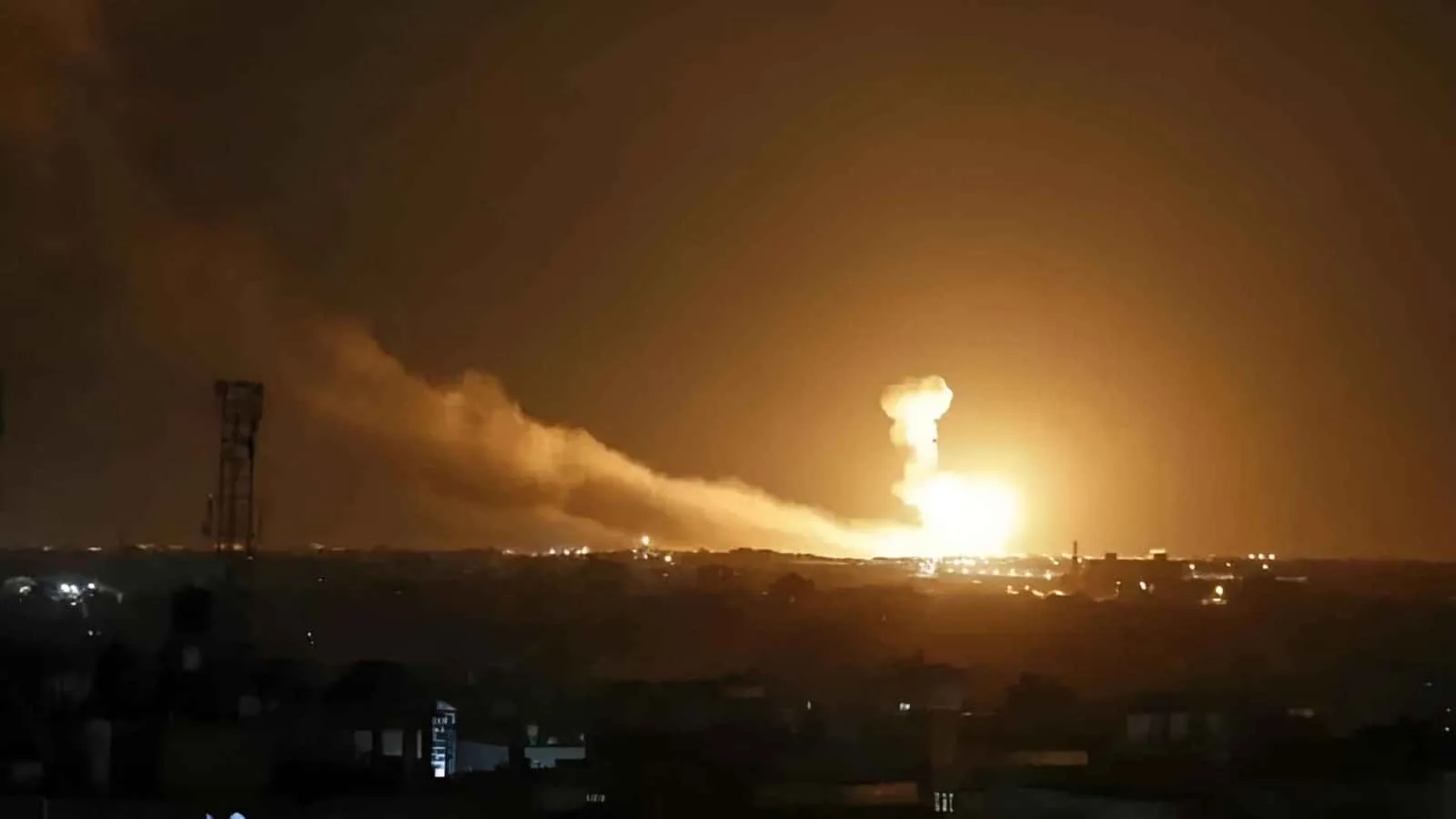
Explosions Heard in Iranian City of Sirik

Militias Managing 'Black Money' in South America, Including Hezbollah
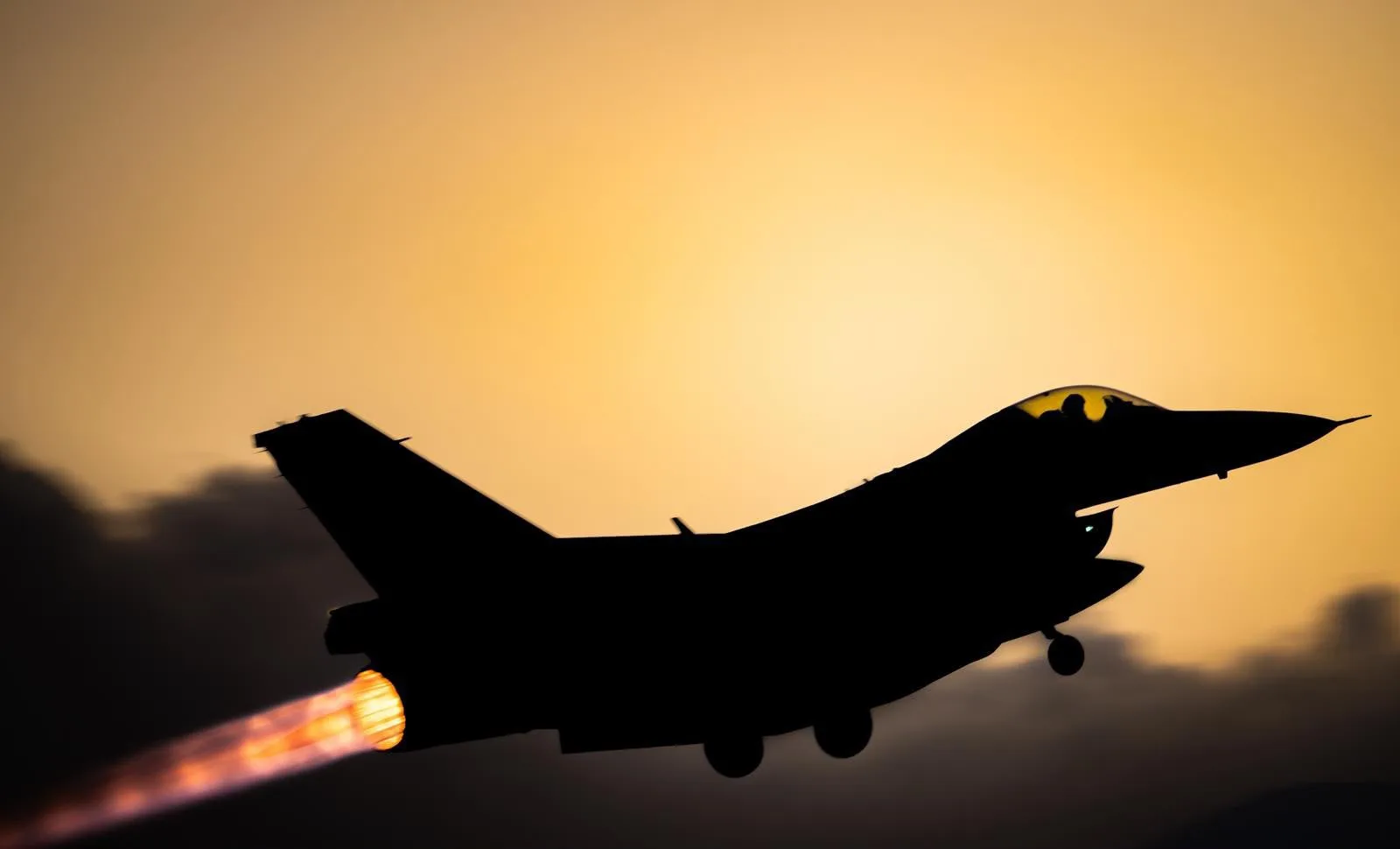
Israeli Fighter Jets Over Iran's Borders... What Is the Story?