·
·


World
Iran's recent attacks near the Strait of Hormuz challenge new maritime routes, complicating US-Iran relations amid ongoing nuclear deal talks and ceasefire tensions.

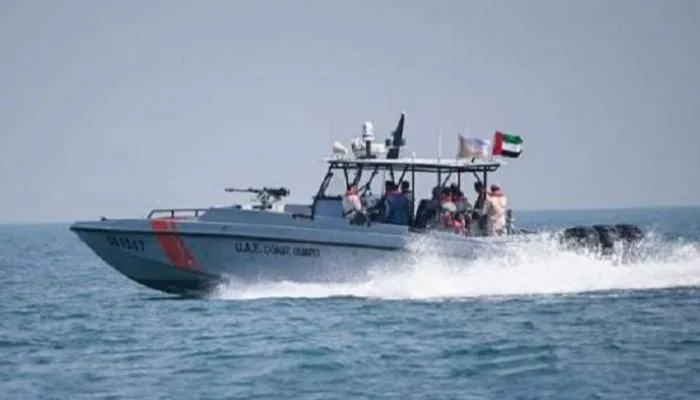
A series of attacks over four days involving both Iran and the United States in the Strait of Hormuz have threatened to undermine the recently established ceasefire in the ongoing conflict both sides wish to end.
According to analysts cited by the New York Times, Iran viewed these actions as necessary despite the risks they posed to the fragile de-escalation process.
The newspaper reported that Iran's newfound ability to disrupt traffic through this critical global economic waterway represents a crucial bargaining chip it cannot afford to lose, whether in negotiations or in a potential war with the United States.
Last week, Oman and the United Nations' International Maritime Organization designated a new shipping route exclusively within Omani territorial waters.
This development directly threatened the cornerstone of Iran’s strategy: maintaining exclusive control over the Strait.
Ali Vaez, the lead Iran analyst at the International Crisis Group, stated, "At best or worst, they need this leverage."
Iran is seeking relief from severe sanctions imposed over the years, contingent on progress toward a nuclear agreement.
Such an agreement would likely require Iran to surrender or reduce its stockpile of highly enriched uranium, a material that could be used in nuclear weapons.
Some Iranian officials suspect that the Trump administration may have entered a preliminary deal with Iran merely to buy time and ease economic pressures before the US midterm elections, with the possibility of returning to conflict afterward.
If this scenario unfolds, Iran would again require its capacity to create disruption in the Strait.
Regional experts suggest Tehran fears this gradual erosion of influence might be precisely the outcome Washington sought to engineer last week.
Farzan Sabet, an Iran specialist at the Graduate Institute of International and Development Studies in Geneva, observed, "The Iranians realize they are losing control," and may be recognizing that their influence only functions "during war and hostile ceasefire periods, with ongoing hostilities."
This context explains Iran’s swift response to the newly announced shipping route, exemplified by Thursday’s attack on a container ship flying Singapore’s flag.
Tehran has not claimed responsibility for that strike or for a second attack on a vessel on Saturday, both of which triggered US military retaliations and subsequent Iranian responses targeting American military sites in the Gulf.
Iranian authorities view the routes established through Omani waters as directly conflicting with Article Five of the memorandum of understanding signed by Washington and Tehran, which laid the foundation for the ceasefire.
From Iran’s perspective, analysts say the Oman-UN maritime route, arranged without consulting Tehran, violated the agreement and had to be contested.
Elie Gharanmaie, an Iranian analyst overseeing the Iran Nuclear Monitor at the European Council on Foreign Relations, noted that Iran’s readiness to provoke conflict amid peace efforts aligns with the approach of the country’s current rulers, who aim to demonstrate equal willingness to negotiate with Washington or engage in war.
She added that the late Supreme Leader Ali Khamenei, killed early in the US-Israeli conflict with Iran in February, pursued a "neither war nor peace" strategy, avoiding direct confrontation with Washington while also blocking high-level direct talks.
Gharanmaie said the political elites surrounding Khamenei’s son and successor, Mojtaba Khamenei, "have a different appetite for risk."
Both Iran and the United States have strong incentives to continue negotiations amid the repeatedly violated ceasefire.
For the Trump administration, war remains unpopular domestically, and there is likely significant reluctance to re-enter a conflict that triggered a global energy crisis.
For Iran, grappling with an economic disaster, the lifting of oil sanctions and potential release of billions in frozen Iranian assets are major inducements.
Most political analysts expect Washington and Tehran to extend the initial 60-day negotiation period for several months, but the recurring violence could mean the already fragile peace process will continue without meaningful progress.
As negotiators focus more on addressing threats to the temporary agreement, less time remains to reach a comprehensive deal to end the conflict and finalize a nuclear accord.