World
Iranian leaders' smartwatches spark security fears, echoing 'pager' memories
Smartwatches worn by prominent Iranian military leaders have triggered widespread debate and security concerns, with critics citing the Israeli pager attack as a cautionary tale about digital vulnerabilities.

Smartwatches worn by prominent military leaders in Iran, captured by camera lenses, recently sparked a wide uproar amid fears of laxity and security negligence that some critics believe could cost them their lives, especially given the reminder of Israel's sophisticated "pager" operation.
Israel carried out the largest security breach in the history of Lebanon's Hezbollah through pagers that had been delivered to broad organizational units within the party and detonated remotely; this resulted in the killing and injury of more than 3,000 leaders and members of the party in Lebanon and Syria.
Iran International channel highlighted the Iranian security situation through a photo-supported report, stating that senior Iranian military and security officials were filmed wearing smartwatches; this raised new criticisms regarding their personal security discipline, after years of reports indicating that Israel used electronic devices around Iranian leaders to track and kill them.
The images triggered widespread reactions after Ali Golhaaki—a conservative commentator linked to the Iranian security establishment—posted them on the X platform on Friday; some Iranian media describe him as close to Parliament Speaker Mohammad Bagher Ghalibaf, according to the channel.
The images show smartwatches on the wrists of three men: Gholam Reza Jalali, head of the "Passive Defense Organization" (the entity responsible for protecting critical infrastructure in Iran); Reza Farahi, an official in the Ministry of Defense; and Ali Shamkhani, the former Secretary of the Supreme National Security Council.
Shamkhani was killed in US-Israeli airstrikes on February 28, the first day of the current war, after having survived an Israeli strike in June 2025.
Israel exploits electronic gaps
When asked by Fars News Agency correspondent about his watch, Jalali wondered if people own smart TVs in their homes, noting that his device is essentially the same thing.
However, Golhaaki rejected this comparison; arguing that the person responsible for protecting the country's critical infrastructure faces a different level of risk compared to the ordinary citizen, and it is difficult to justify the use of such devices by senior security officials, especially since Israel has consistently exploited electronic vulnerabilities to track Iranian individuals.
Smartwatches can transmit location and activity data via GPS, Bluetooth, Wi-Fi networks, or through a paired phone, and some of these watches contain microphones and other sensors.
The US military has long imposed restrictions on the use of location-tracking devices—including smartwatches—in operational areas; because they may reveal movements and routine patterns.
Fear of upcoming assassinations
In 2018, a public "heat map" from a fitness app revealed layouts of US bases based on running paths followed by soldiers.
This controversy touches upon a broader discussion within the Islamic Republic regarding repeated intelligence failures. During the 12-day war in June 2025, the Iranian Cybersecurity Command banned officials and their protection teams from using any device connected to public communication networks, amid growing fears of exploiting mobile phone tracking in targeted assassination operations; as reported by Fars News Agency.
The guidelines included smartphones, laptops, and smartwatches, warning that merely turning off the device might not prevent its location from being determined.
However, this step came too late; The New York Times later reported—citing Iranian and Israeli officials—that Israel managed to track and target prominent Iranian leaders and nuclear scientists during that war, by hacking into the phones of their personal guards and drivers.
On June 16, 2025, the Supreme National Security Council met in a fortified bunker located deep inside a mountain west of Tehran; although none of the officials were carrying phones, the Israelis were able to detect the meeting through the phones of the personal guards who transported them to the site.
These guards had long been exempted from the strict phone ban restrictions imposed on the leaders themselves, even after previous assassinations.
Golhaaki directly linked the smartwatches to those failures, considering that the state of laxity helped Israel and the United States eliminate prominent military, security, and political figures during successive wars. He also called for fundamental changes in security practices and renewed his demand for a comprehensive investigation—after the end of the war—into the circumstances surrounding those failures.
It is worth noting that Golhaaki himself was among a group of Telegram channel operators arrested by the Revolutionary Guard's counter-intelligence unit in 2022, on charges of stirring public opinion and publishing secret documents, according to the channel.
The judiciary did not show such tolerance towards ordinary Iranians accused of committing much less serious violations.
In August, the "Revolutionary Court" issued a death sentence against blogger Marzieh "Seifda" Ebrahimi Shamsabadi—a 33-year-old woman from Bandar Abbas detained since March—on charges including insulting the Supreme Leader, conducting intelligence activities for hostile governments, and taking photos of a missile-struck site and sending them to Persian-language media abroad.
One charge related to a photo allegedly taken—from a distance—of a site hit by a missile; she was placed in solitary confinement for 20 days and subjected to severe pressure during interrogation.
Latest news
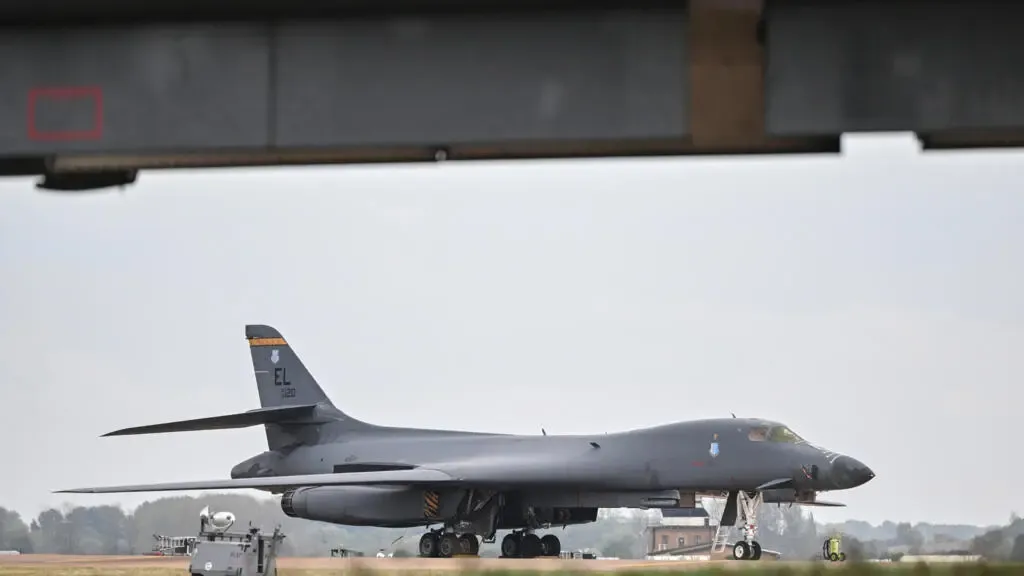
US withdraws all bombers from Fairford air base

Müller reveals Bayern rejected €100m United bid in 2015

Wet hair fragility dictates gentle detangling methods