World
Kushner Reveals How the U.S. Exploited Israel's Isolation During the Gaza War
Jared Kushner reveals that the U.S. capitalized on Israel's international isolation following an Israeli strike in Doha, using it to push Israel toward a ceasefire agreement.

Jared Kushner, advisor to U.S. President Donald Trump and one of the key figures in efforts to reach an agreement on Gaza, revealed that the U.S. administration exploited what he described as Israel's "international isolation" after the Israeli strike in Doha.
Speaking in an interview with the American program "60 Minutes," Kushner said Israel committed a "grave mistake" when carrying out the strike in Doha, arguing that the military operation failed to achieve its objectives and led to increased international isolation for Israel.
He added that Washington leveraged this situation to pressure Israel into accepting the agreement, noting that Israeli officials initially felt "some discomfort" about the steps taken by the U.S. administration.
According to Kushner, the final outcome was positive for both Israel and the people of the Gaza Strip, emphasizing that the agreement later received Israeli approval.
Turning Point in Negotiations
Kushner's remarks come amid broader commentary on the impact of the Israeli strike targeting Hamas leadership in the Qatari capital Doha, while ceasefire and hostage exchange talks were still ongoing.
Kushner and U.S. envoy Steve Witkoff had previously spoken in interviews about feeling that the strike damaged trust between Washington and Israel, confirming it prompted the U.S. administration to reframe its negotiation strategy.
Witkoff said the strike undermined Qatar's confidence in the negotiations, especially since Doha had served as the primary intermediary in communications with Hamas, prompting U.S. mediators to involve Qatar, Egypt, and Turkey more actively in the negotiation track.
One Document
Kushner explained that after the strike, the Trump team decided to consolidate previous ceasefire and war-ending proposals into a single document, aiming to rally support from Arab countries before seeking approval from Israel and Hamas.
He said the U.S. plan was designed to minimize lengthy technical negotiations that could have derailed the agreement, giving mediators greater flexibility to reach a viable compromise.
He noted that Arab countries' adoption of the plan, along with Israel’s approval, shifted the international equation, leaving Hamas later in a more isolated position.
Kushner’s statements reflect the U.S. administration’s narrative on how Washington led the negotiations, relying on exploiting political shifts following the Doha strike to pressure the parties into an agreement.
In contrast, Kushner and Witkoff’s remarks reveal the strike as a turning point in negotiations, suggesting that, according to their account, talks had already made significant progress before the strike was carried out.
These details emerge at a time when the aftermath of the Gaza war continues to cast a shadow over U.S.-Israel relations and Israel’s international standing, as Washington seeks to solidify the agreement and move toward subsequent phases involving reconstruction of the territory and post-war arrangements.
Latest news

Trump Breaks American Tradition Over Ireland Unification, Sparks Controversy

No Clear Winner in Sweden's Election Amid Right-Wing and Left-Wing Stalemate
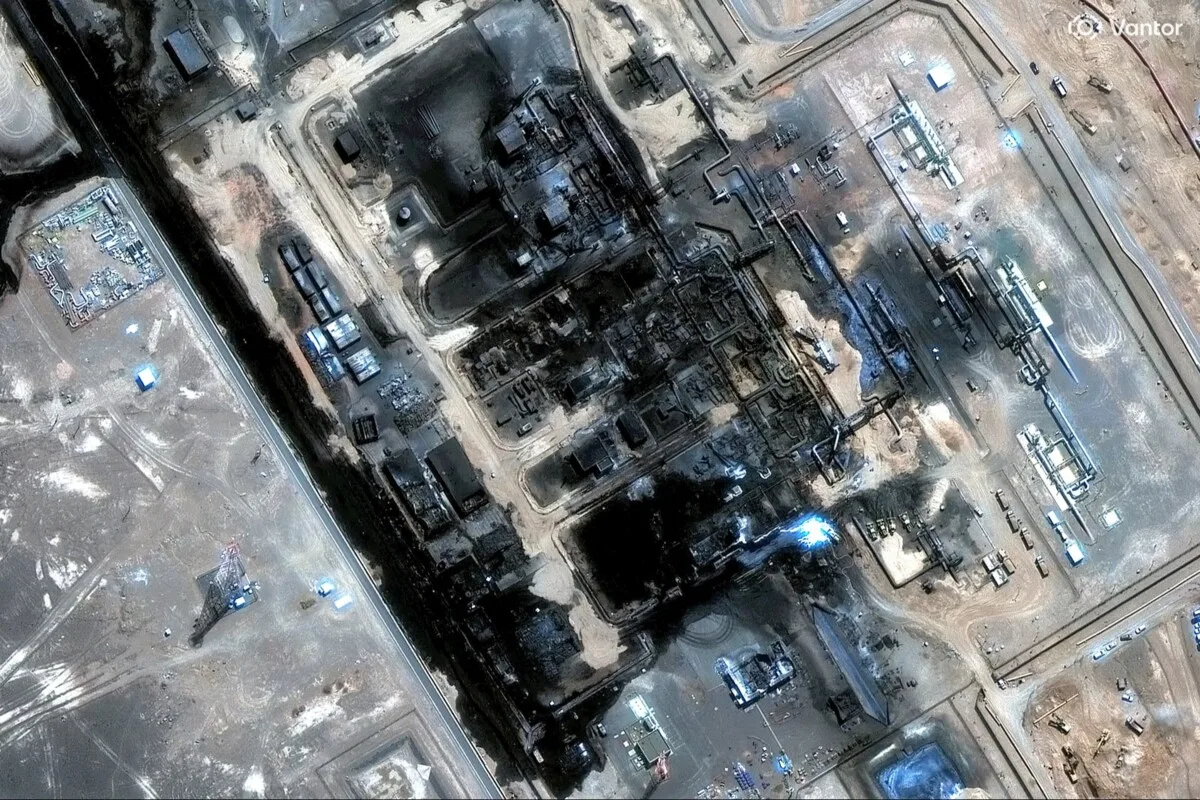
The Guardian: Saudi oil export stocks could run out in days if East-West pipeline isn't restored