·
·


World
A failed coup attempt in Niamey, Niger, targeted key sites including the presidential palace, airport, and national radio. Forces loyal to the military council repelled attacks, but rebels seized control of Base 101, holding Nigerian and foreign hostages.

On the night from Friday to Saturday, Niamey, the capital of Niger, witnessed a coup attempt led by young officers from the armed forces, targeting strategic locations such as the presidential palace, the airport, and the national radio station. According to information published by Jeune Afrique, forces loyal to the military council succeeded in repelling the attacks and restoring relative calm, while the attackers entrenched themselves inside Air Base 101, clinging to their positions and taking Nigerian and foreign hostages.
The events began late at night with skirmishes in the outskirts of Niamey along the road connecting to the city of Waléma in the Tillabéri region.
Rebel military convoys advanced toward the city center, escalating clashes around state institutions. The attackers attempted to breach the presidential complex, but were repelled by the Republican Guard, responsible for President Mohamed Bazoum’s security, after fierce fighting.
Insiders within the palace revealed that large numbers of casualties occurred among loyalist forces, with reports of internal gunfire suggesting the presence of infiltrated elements.
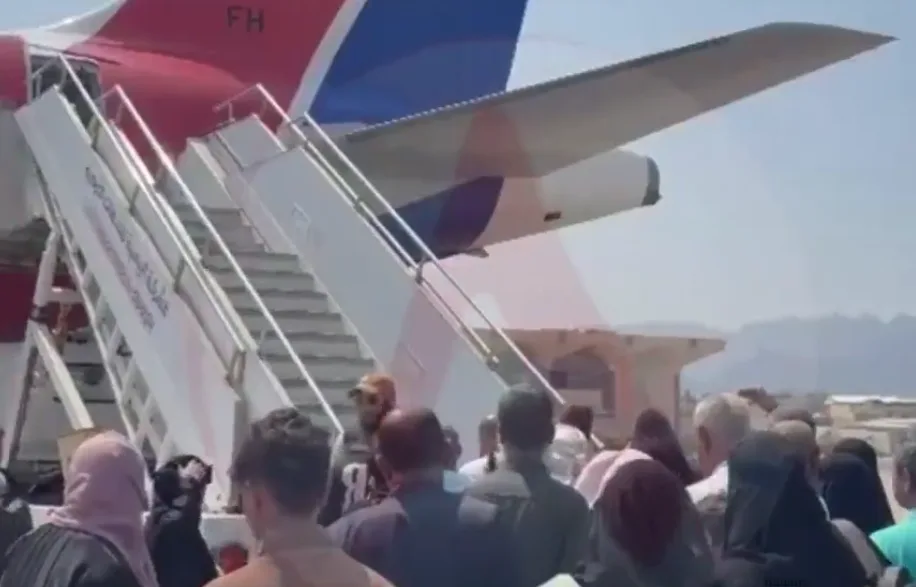
Fighting extended to the Diori Hamani airport area and Air Base 101, which houses drones, units from the Russian Africa Corps, members of the Italian army, and Turkish technicians.
By midday, the rebels managed to seize part of the base and fortified their position. They also took Nigerian and foreign military personnel hostage, while senior loyalist officers hesitated to storm the site out of fear of a bloodbath or triggering a catastrophe near uranium stockpiles disputed with the French company Orano.
The rebel forces attempted to seize the headquarters of the Nigerien National Broadcasting Corporation (ORTN), but failed. For several hours, radio broadcasts were limited to music, and television signals went dark before returning with a statement from Defense Minister General Salifou Modi.
Authorities described the coup attempt as "a manifestation of widespread discontent," commending the army's swift response in regaining control and urging citizens to remain calm and avoid rumors.
The report confirmed that the rebellion is led by young officers commanding special forces units and individuals originating from the cities of Waléma, Téra, and Dosso. This coincided with the circulation of an audio recording from members of what is called the "Armed Forces for the Restoration of the Homeland," declaring the removal of President Mohamed Bazoum, the dissolution of the constitution, and the dismantling of transitional institutions.
These developments unfold amid growing security challenges at Niamey Airport, which has previously been targeted by armed groups in attacks throughout the year.