

World
"Politico": Europe Doubts Putin's Seriousness and Fears US-Russia Deal
European nations fear Russian President Vladimir Putin is not serious about ending the war in Ukraine, suspecting he seeks to buy time while exploiting US efforts. Despite skepticism, European capitals continue participating in negotiations to prevent a unilateral Washington-Moscow agreement.

European countries fear that Russian President Vladimir Putin is not serious about negotiating an end to the war in Ukraine, and that he is seeking to buy time and exploit the efforts of US President Donald Trump, despite the continued participation of European capitals in negotiations for fear that their collapse would lead Washington to conclude a unilateral deal with Moscow.
"Politico" magazine quoted European diplomats and officials as saying that negotiations resumed through US mediation may not lead to a result, at a time when the date of the next round of direct talks remains unclear.
Frederic Weslau, a political researcher at the European Council on Foreign Relations, said that Putin "is not interested in a ceasefire or peace now," considering that the Russian president believes continuing the war brings him greater gains than reaching a truce, which he described as "the fundamental problem."
The newspaper reported that European officials who participated on the sidelines of the trilateral meeting that brought together the United States, Ukraine, and Russia in Abu Dhabi last week expressed their belief that the entire process may not reach a conclusion and could collapse again.
Some European circles fear that if negotiations collapse, Trump may move toward concluding a deal with Putin and then distance himself from Europe and Ukraine, which pushes Europeans to continue participating in the negotiation process.
"Moscow maintains a hardline stance"
According to "Politico," Russia has intensified its attacks on civilian infrastructure in Ukraine in recent weeks, targeting key bridges in Kyiv, alongside continued attacks on energy and water networks, while Ukraine has continued launching strikes inside Russian territory, damaging oil facilities; this has angered Washington.
Ukrainian and Russian delegations met in Abu Dhabi for two days last week with Trump's prominent peace envoys, Jared Kushner and Steve Witkoff, in the first direct negotiations of this kind since February.
The talks resulted in a preliminary agreement on a prisoner exchange between Ukraine and Russia, but the details of the agreement have not yet been finalized, while no significant progress was achieved on other issues, according to European officials who participated in the meetings.
French President Emmanuel Macron said in a post on the "X" platform on November 14 that recent talks with US envoys made it clear to him that Putin does not want to negotiate, considering that the Russian president is betting on subduing Ukraine by intensifying attacks on civilians and trying to plunge the country into darkness during winter.
Officials from France, Germany, Britain, and Italy, along with representatives from the European Council and the European Commission, traveled to the Gulf region last week to coordinate with Witkoff, Kushner, and the Ukrainian delegation, but they did not participate in the room where negotiations between Russia, Ukraine, and the United States took place.
Europe outside the negotiation room
Afterward, Kushner and Witkoff traveled to Moscow to obtain Putin's approval for European participation at the negotiating table during the next round, especially since Russia wishes to discuss the reconfiguration of the entire European security architecture within any peace framework.
But the Kremlin later raised doubts about Putin's approval of European participation, while Russian officials accused Europe of sabotaging peace efforts through its continued support for Ukraine, according to "Politico."
In response, EU leaders agreed that five European countries, along with a team from the EU headquarters in Brussels, would represent Europe if invited to participate in negotiations.
Officials from Britain, Germany, Italy, and Poland, along with the European Council and the European Commission, expressed skepticism about Moscow's intentions.
A British government spokesperson said that Ukraine has repeatedly proven its seriousness in achieving peace, while Russia has repeatedly refused full and partial ceasefires and continued attacking civilians and energy infrastructure, adding that Russia "can end the war today."
A German diplomat, who requested anonymity, said that Putin is negotiating because he needs a deal with Trump, adding: "The Russians do not really want to engage in negotiations, they want to win the war."
For its part, the European Commission said that Putin can prove his seriousness by stopping attacks on Ukraine, clarifying that the Russian president has repeatedly indicated his willingness to negotiate, and that "the time has come to prove it," because Russia ceasing fighting means the war ends the next day.
Despite their doubts, Britain, Germany, and France, along with representatives of other European parties involved in negotiations and NATO, are preparing for the first round of official direct talks between Europe and Russia.
Fears about the future of European security
According to European officials, one reason for Europe's continued involvement in the process is concern over a "crazy" Russian demand to reverse NATO expansion and reshape the continent's security structure in line with Moscow's interests.
European fears increase as Trump prepares to meet Putin and Chinese President Xi Jinping personally later this week, amid concerns that the three leaders may discuss or make decisions regarding the future of Europe's security system without European participation.
One European official said there are also concerns about what the US administration truly wants, adding that Europeans need continued US involvement to resolve the war, but they want to ensure that Washington pressures Russia rather than Ukraine.
Trump's envoys say that Russia's concerns about the future of European security are a legitimate topic for discussion within the Ukraine peace process, and EU officials have so far agreed to this, while insisting that ending the war must come first.
Europe fears that this issue will divide Ukraine's European allies and provoke public disagreement that could harm the negotiation strategy.
Norwegian Foreign Minister Espen Barth Eide told "Politico" that there is a set of issues that Europe should clarify it is not prepared to discuss with Russia, including the deployment of NATO forces in allied countries.
Political leaders from Nordic and Baltic countries insist on not placing the future of NATO, which has guaranteed Europe's security since its founding in 1949, in Putin's hands.
According to Weslau, the narrow scope of consensus between Europe and Russia has led some Europeans to treat negotiations as an attempt to limit damage.
He said that Europeans and Ukrainians are participating in what he described as a "negotiation theater," aiming to appear cooperative before Americans and avoid angering Trump, adding that the goal is to ensure that the US holds Russia responsible for the collapse of negotiations if it happens, not Europe or Ukraine.
Latest news
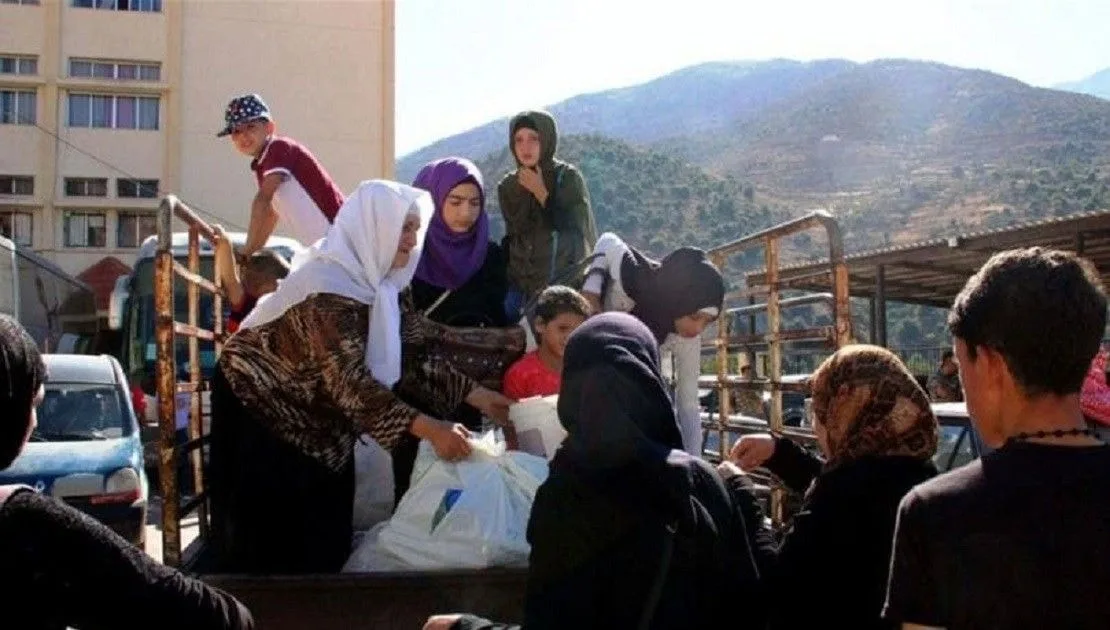
General Security Supervises Return of Syrian Displaced Persons from Tripoli
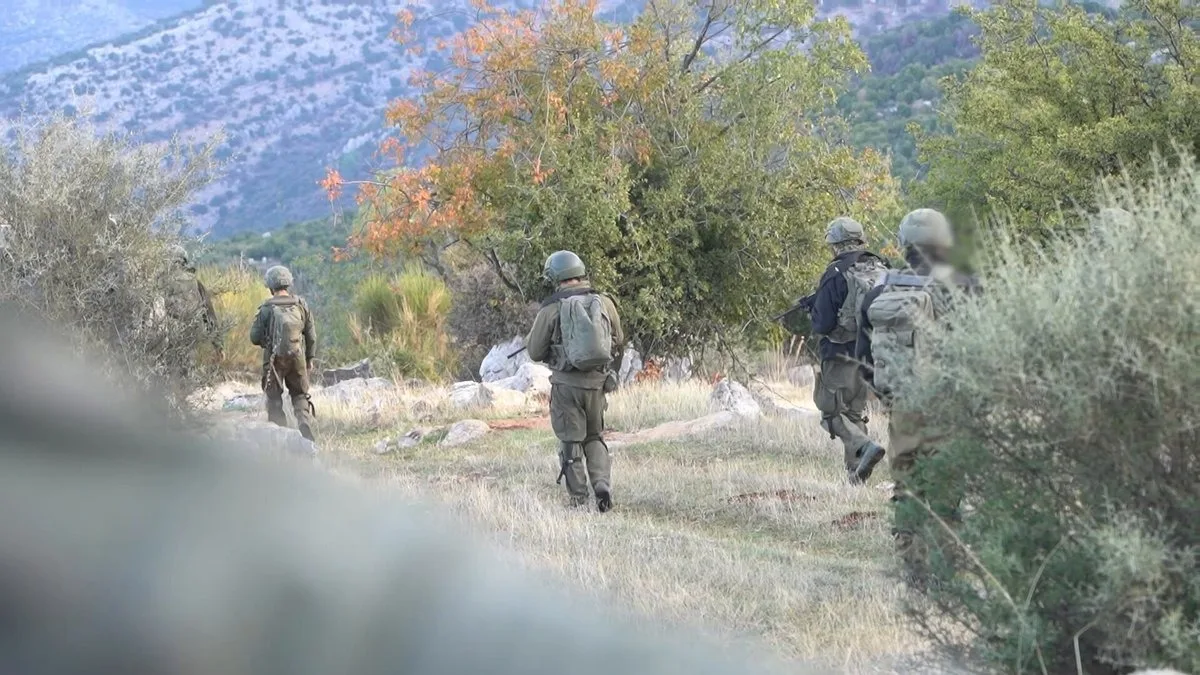
Maariv: Israel Prepares for Major Exercises Anticipating Potential Combat with Iran and Hezbollah
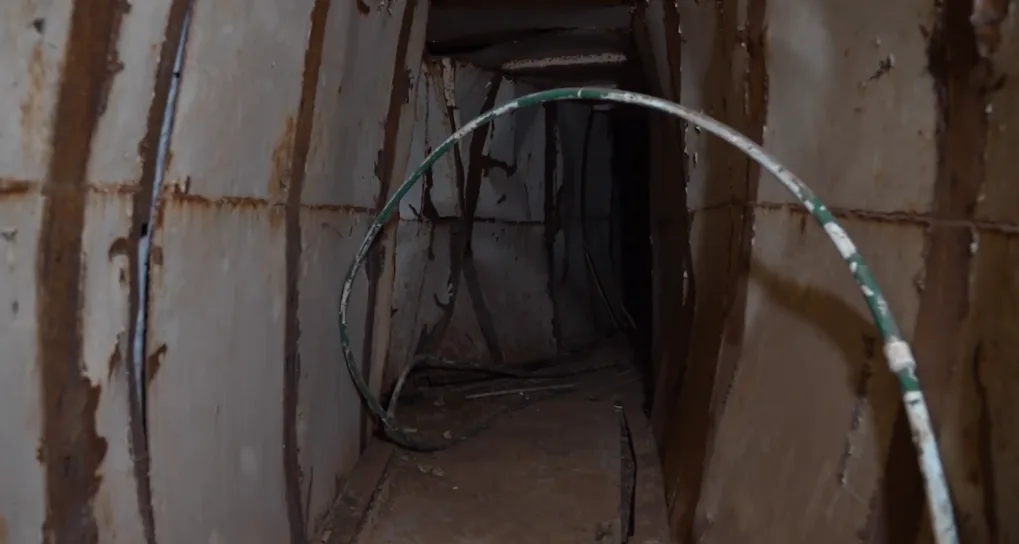
Israel Destroys Hezbollah Tunnel in Southern Lebanon
