

World
Qatar: Meeting with Iran Today to Continue Mediation Efforts to Bridge Views with the US
Qatar confirms ongoing mediation efforts between the US and Iran, highlighting a meeting scheduled for today. The Foreign Ministry spokesperson warns that regional escalation threatens global navigation and economic stability.

Dr. Majed bin Mohammed Al Ansari, Advisor to the Prime Minister and Spokesperson for the Ministry of Foreign Affairs, confirmed "the continuation of Qatari mediation efforts aimed at bridging views between the United States of America and the Islamic Republic of Iran," noting that a meeting with the Iranian side will take place later today as part of exchanging views on currently proposed suggestions.
During the weekly media briefing organized by the Ministry of Foreign Affairs, Al Ansari stated that "any escalation on the ground poses a challenge to mediation efforts in any conflict." He pointed out that escalations witnessed in the Gulf region represent a severe danger to freedom of navigation and the global economy, as well as to opportunities for reaching an agreement that could spare the region further escalation. He called on all parties to exercise restraint during this period and avoid any escalation that might undermine negotiation efforts or complicate chances for an agreement, stating in this regard that "the State of Qatar continues to perform its role, and maintaining hope for the possibility of reaching a diplomatic agreement is what motivates us to continue working within the framework of mediation efforts."
Regarding the meeting scheduled for later today with the Iranian side, the Advisor to the Prime Minister and Spokesperson for the Ministry of Foreign Affairs clarified that the meeting comes as a continuation of communications conducted during the past period, which included many discussions aimed at bridging views and narrowing the gap between parties regarding the proposed suggestions. He explained that negotiating delegations and negotiators from various parties meet periodically within this framework.
Concerning the repercussions of the continued state of "neither peace nor war," Al Ansari stressed that no party benefits from the persistence of this situation, which casts shadows not only on the economies of the region and the security and peace in the Gulf but also significantly affects the stability of global energy markets, global food security, and international security and peace directly. He explained that "the continuation of this situation or reaching a state of deadlock, as some media reports suggest, is not in the interest of any party," noting that the implications for Gulf states are known to all.
With regard to the Gaza Strip, Al Ansari said: "The State of Qatar has tried since the first day of the war on the sector, and the horrific targeting of Palestinian civilians witnessed over the past years, to deal realistically and rationally, and to work within the possible to reach a ceasefire, sparing the brotherly Palestinian people and the peoples of the region further escalation and ongoing Israeli crimes against civilians."
He added that "humanitarian aid still does not enter the Gaza Strip as required, attacks continue, and the Israeli presence has not changed; rather, it has increased." He noted that the escalation witnessed in the West Bank represents a change in the status quo unseen in the region for decades. The Advisor to the Prime Minister and Spokesperson for the Ministry of Foreign Affairs also pointed to the continuation of Israeli behaviors in southern Lebanon, including the targeting of villages and infrastructure, explaining that "all this escalation witnessed in the region benefits no one, except those seeking political gains from it, and there is no people in the region who benefit from these practices."
He affirmed the State of Qatar's continued efforts with its partners in the international community to hold Israel accountable to its obligations toward the international community, intensify pressure on the Israeli occupation to stop its crimes, alongside continuing mediation efforts to achieve the full and comprehensive implementation of the agreement reached for the ceasefire in the Gaza Strip, which the Israeli occupation violates daily.
In another context, Al Ansari affirmed that the joint defense agreement between the State of Qatar and the Republic of Turkey, along with the "Badr" agreement signed in Doha, come within the framework of Qatar's efforts to strengthen its defense system and develop partnerships that ensure and preserve the national security of the state. He indicated that strategic relations between the State of Qatar and the Republic of Turkey are based on shared destiny and common national security between the two countries, and alignment of positions regarding challenges facing national and regional security. He noted that strengthening these relations represents an extension of ongoing cooperation between the two countries, whether at the leadership level or the institutional level.
He said that "all countries in the region, including the State of Qatar, are working to establish a new regional security system based on joint defense and cooperation in defense fields, especially defense industries, and providing the main needs of the defense and security sectors in the State of Qatar and the region generally." In this context, he referred to regional partnerships and cooperation through the Joint Defense Council of the Gulf Cooperation Council (GCC), among other partnerships, affirming that these efforts come within the framework of enhancing and consolidating stability in the region and working jointly to face challenges facing regional security.
Regarding the visits and meetings held among Gulf countries in recent days, he clarified that they are fraternal meetings, coming within the framework of daily communication with brothers in the GCC member states. He noted that communications between the State of Qatar and the Gulf countries have not been interrupted since the first day of the crisis.
Latest news
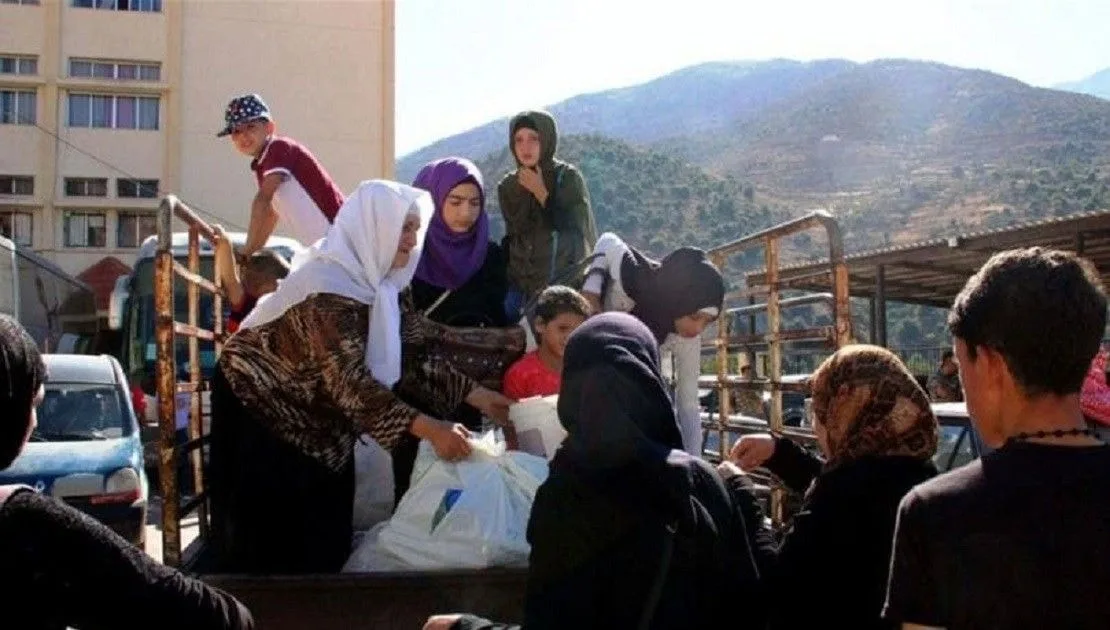
General Security Supervises Return of Syrian Displaced Persons from Tripoli
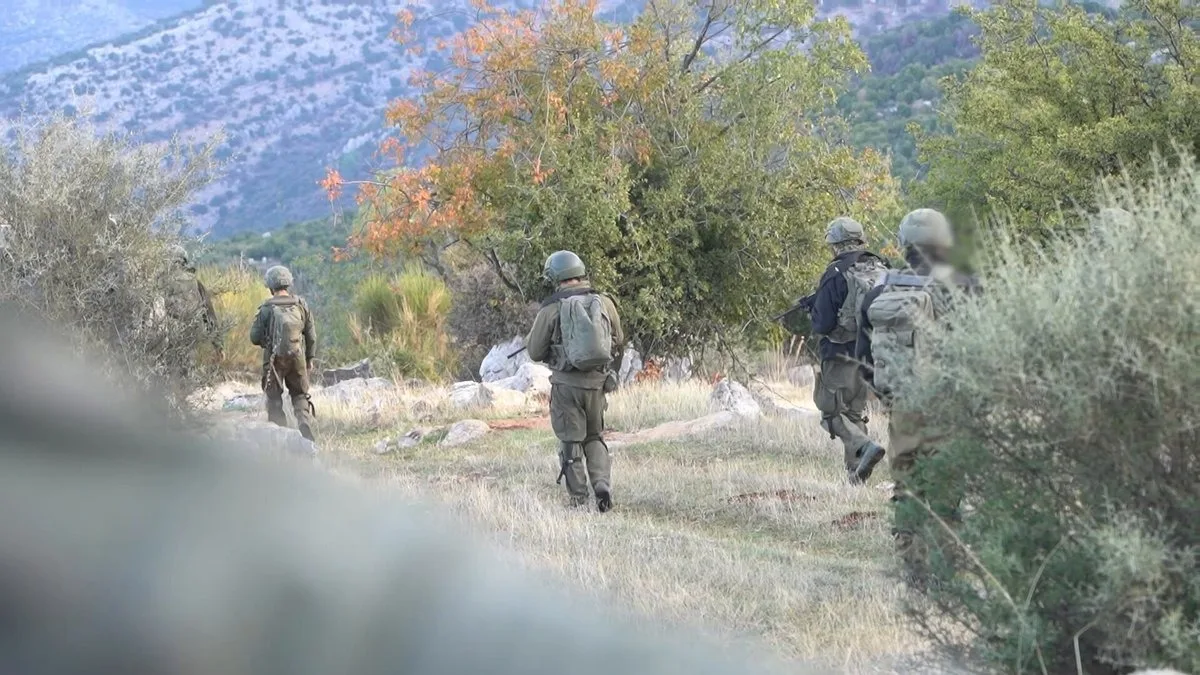
Maariv: Israel Prepares for Major Exercises Anticipating Potential Combat with Iran and Hezbollah
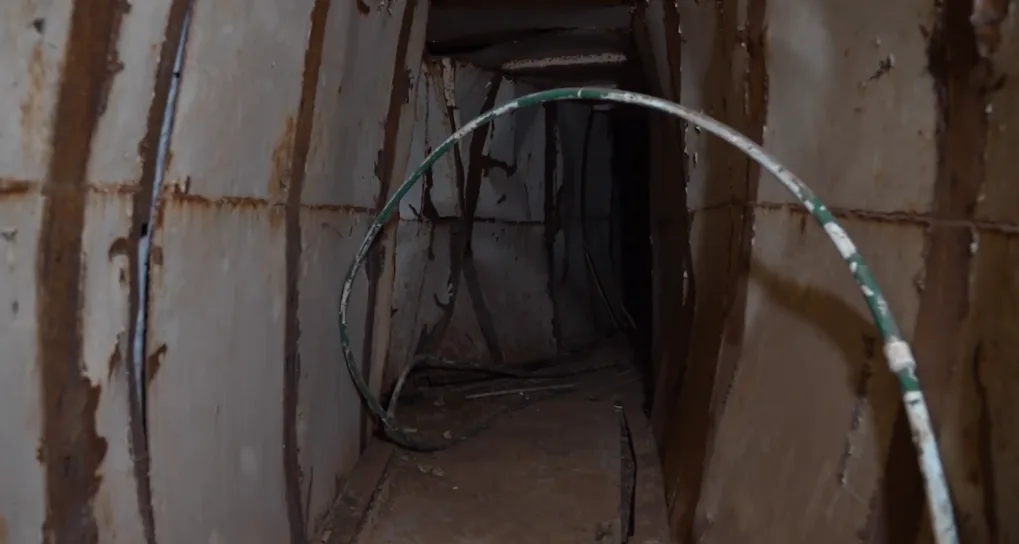
Israel Destroys Hezbollah Tunnel in Southern Lebanon
