World
Putin Warns of 'Hormuz in the North': What Is Happening in the Baltic Sea?
Russian President Vladimir Putin warned that restricting communications between Russia and Europe could create a situation similar to the Strait of Hormuz, stating Moscow does not want obstacles to navigation in the Baltic Sea.

Russian President Vladimir Putin warned that restricting communications between his country and Europe could lead to a situation similar to the one prevailing in the Strait of Hormuz, emphasizing that Moscow does not want obstacles to navigation in the Baltic Sea.
The Russian president asked: "Does anyone want the conditions in the Baltic Sea to be similar to those in the Gulf or the Strait of Hormuz? I do not know. We do not want that, but we will respond to any challenge."
What is happening in the Baltic?
Baltic states, along with Poland and the West, are imposing strict restrictions and surveillance on Russian ships, particularly oil tankers belonging to what is known as Russia's "shadow fleet," under the pretext of sanctions and protecting maritime infrastructure.
Which countries border the Baltic?
The three Baltic states: Estonia, Latvia, and Lithuania.
Scandinavian countries: Sweden, Finland, and Denmark.
Two countries from Eastern and Western Europe: Germany and Poland.
Russia: It borders the sea via the Saint Petersburg region in the Gulf of Finland, and also through the Kaliningrad exclave, which is geographically separated and enclosed between Poland and Lithuania.
What angers Putin?
The Kremlin believes that NATO's expansion following the recent accession of Finland and Sweden has effectively turned the Baltic Sea into what the West describes as a "NATO lake."
NATO members and other Western countries have imposed sanctions on Russia since the military operation in Ukraine in February 2022.
Among the most prominent sectors affected by Western sanctions is Russian oil, prompting Moscow to rely on what has become known as the "shadow fleet" to sell its oil and evade sanctions.
The Baltic Sea is considered one of the main outlets relied upon by Russia to export its oil; therefore, it occupies a strategic position in its security policy.
Why did Putin raise the issue now?
The Russian president was commenting on European criticism of the phone call he made this week with the leaders of Norway and Finland.
Putin said that Finnish President Alexander Stubb and Norwegian Prime Minister Jonas Gahr Støre were right to make the phone call, despite criticism from some European capitals that they broke ranks by initiating contact with Moscow.
Putin told journalists after hosting a summit with African leaders: "We support any steps... we support any measures aimed at restoring full and comprehensive relations with European countries."
He added: "First and foremost, we are ready but we do not want war with Europe. If someone wants it, let them prepare, but so far they have not achieved their goal - which is inflicting a strategic defeat on Russia. And if things go too far, there will be no winners at all. Let everyone remember that."
Latest news

Nine Million People Need Extra Winter Aid in Four Countries, Including Lebanon and Syria
Netanyahu: No Government Should Be Formed With Arab Lists
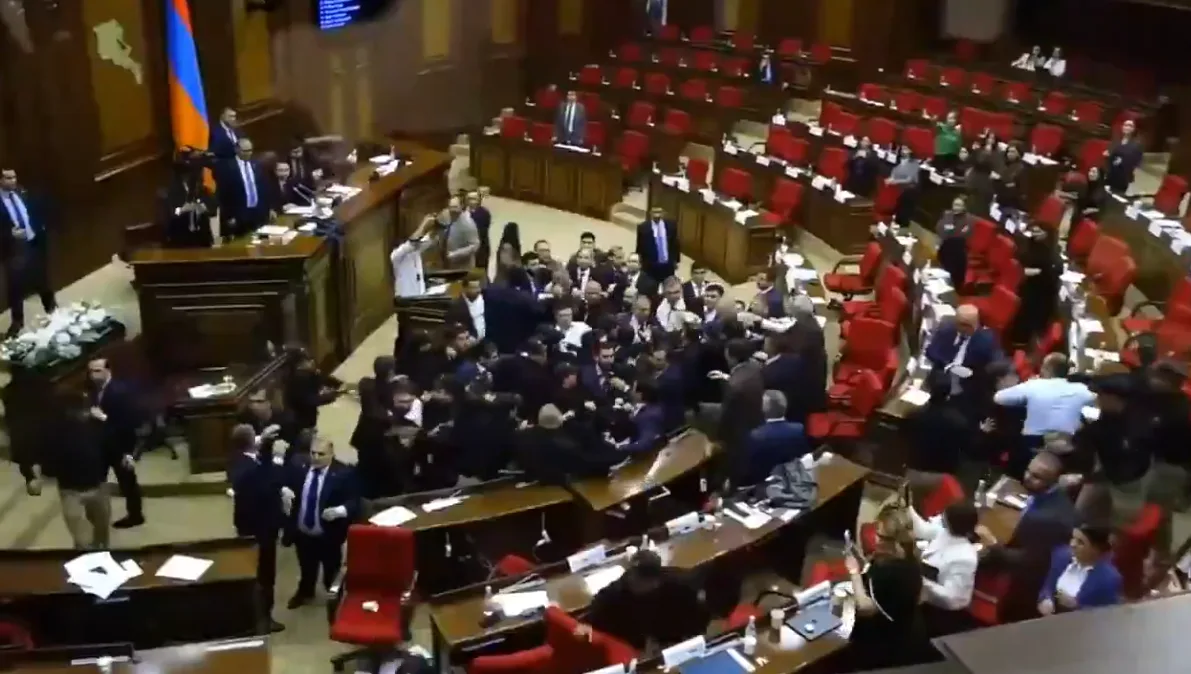
Violent Clash in Armenian Parliament Disrupts Session After Corruption Accusations