

World
Security Shake-up in Babylon: Top Commanders Dismissed and Secrets of Jurf al-Sakhr Refineries Revealed
Iraqi Prime Minister Ali Falih Al-Zaidi has dismissed nine senior security officials in Babylon province following investigations into illegal oil refineries in Jurf al-Sakhr, triggering a complex political struggle over new appointments.

Security and political developments are accelerating in Iraq following the sudden decisions issued by Prime Minister and Commander-in-Chief of the Armed Forces, Ali Falih Al-Zaidi, to dismiss nine senior security and administrative officials in Babylon province and refer those involved in oil smuggling networks in the Jurf al-Sakhr (Jurf al-Nasr) area to the judiciary.
While these decisions appeared as aftershocks of intensive security investigation results that proved the existence of breaches and illegal oil refineries in the sensitive area, behind-the-scenes details reveal deep complexities surrounding the filling of the administrative and security vacuum. Amid intense government efforts to contain the situation and prevent slipping into direct confrontation with influential armed factions there, this is highlighted by special information obtained by "Erem News" regarding the anticipated appointment backstages.
Backstage Details of Baghdad's Urgent Plan
Informed sources told "Erem News" about the possibility of the Commander-in-Chief adopting the option of temporary "acting" assignments as a quick solution to deal with the security vacancy in Babylon; data indicates that Al-Zaidi is moving towards issuing official orders to assign officers brought directly from ministry headquarters and security bodies in the capital, Baghdad, to manage vacant posts in the coming hours. However, sources noted uncertainty about making such a decision, confirming that this step is still under study and may be implemented.
According to the same sources, this temporary assignment aims to urgently fill the executive vacuum and avoid any field confusion, until complex political understandings and settlements mature to finalize permanent appointments. This step coincides with strict precautionary measures including imposing an enhanced security cordon with additional forces around the perimeter of Jurf al-Sakhr to intensify surveillance and field inspections.
Sources confirmed that the dismissed security and local leaders may not fundamentally bear the real or direct responsibility for the smuggling operations witnessed in the area, given that the nature of complex influence and entrenched factional presence in Jurf al-Sakhr exceeded their capabilities and field authorities; however, Al-Zaidi's orientations aim to correct the course of field management as much as possible and impose state prestige gradually to prevent direct friction with influential parties.
Details of the Security Scene in Babylon
These arrangements came following an official announcement of the results of a high-level investigation committee chaired by the Security and Discipline Agency of the Popular Mobilization Forces, which included representatives from the Prime Minister's Office, intelligence agencies, integrity bodies, and the Ministry of Oil, confirming the validity of reports submitted by the Federal Intelligence Affairs Agency regarding organized management of petroleum product smuggling operations and the existence of irregular refining facilities inside Jurf al-Sakhr.
The dismissal decisions included an extensive list comprising the Babylon Police Commander, the North Babylon Police Director, the provincial Internal and Defense Intelligence Directors, National Security and Intelligence officials, as well as the Popular Mobilization Forces Commander in Babylon, the Commander of the Sixth Energy Police Brigade, and the Director of the Oil Pipelines Company.
Parallel to referring suspects to the judiciary under deterrent laws against oil smuggling, authorities began implementing military redeployment, including transferring units from north Babylon and strengthening strict inspection measures for vital corridors and roads.
The crisis of choosing replacements reflects an intense strategic conflict between internal balance calculations and external pressures; information indicates movement led by parties within the "Coordination Framework" aiming to push names that enjoy the satisfaction and acceptance of armed factions stationed in the area, particularly Hezbollah Brigades and Asa'ib Ahl al-Haq, to take sensitive positions such as the Popular Mobilization Forces command and the North Babylon Police Directorate, to ensure calm and defuse any potential clash between official agencies and these formations.
In the opposite direction, the Commander-in-Chief's office shows clear insistence on selecting technocratic leaders and professional officers from outside Babylon's local system to manage intelligence and energy police joints; this approach seeks through it Baghdad to respond to international and American demands and pressures aimed at dismantling illegal smuggling networks and cutting off their funding lifeline, placing the government before a delicate equation balancing avoiding internal armed clashes and achieving transparency and compliance requirements internationally.
It is worth noting that field and political estimates indicate that Babylon province is heading towards a phase of "crisis management via acting," as a temporary formula to settle the conflict pending the crystallization of a comprehensive deal between political powers and factions regarding permanent appointments.
It is likely that the near future will see continued finger-pointing games between Baghdad's desire to consolidate the authority of regular agencies and close smuggling outlets, and the factions' adherence to their field influence in one of the most fortified and sensitive geographical areas in Iraq.
Latest news
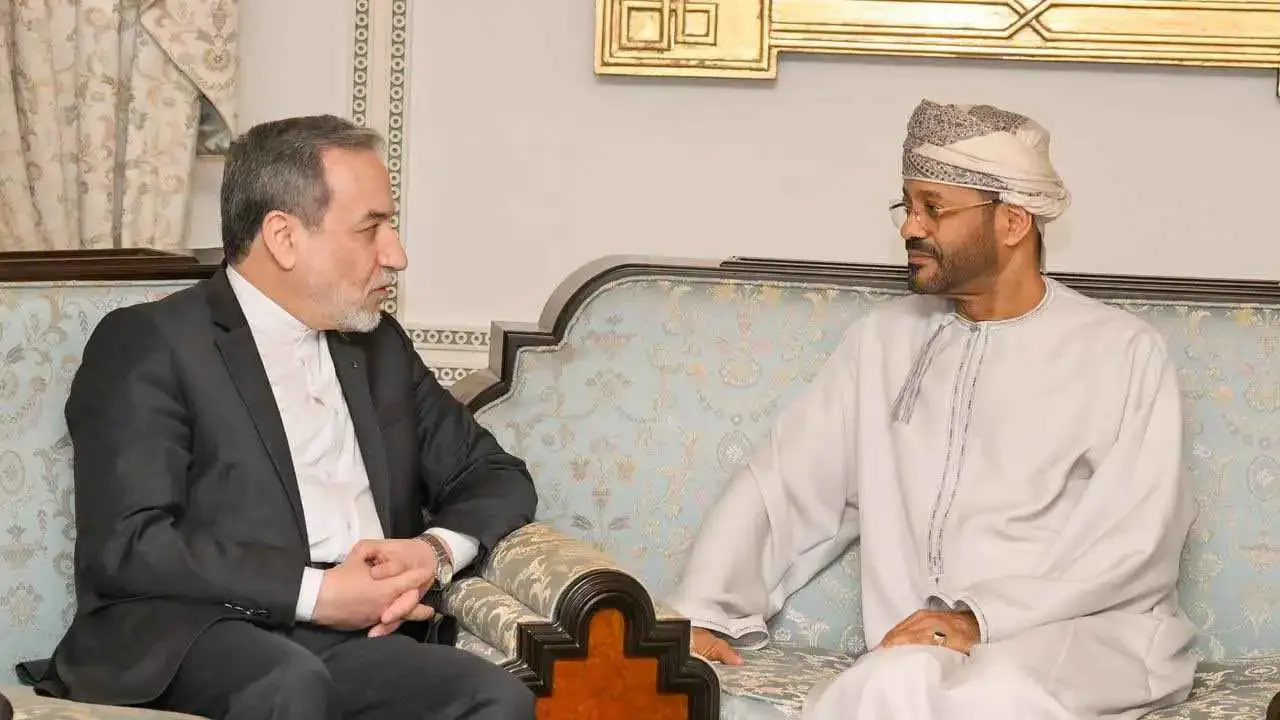
Araghchi Visits Muscat to Hold Talks with Omani Counterpart

After Nvidia Scandal, Will Jensen Huang Accept Elon Musk's Offer?

Jordan Announces Arrest of Israeli Who Infiltrated Territorial Waters by Sea
