·
·


World
Ukraine has disclosed that North Korea is sending around 8,500 troops to support Russian military operations, including a specialized drone unit capable of striking deep into Ukrainian territory.

Ukrainian intelligence official told CNN that North Korea is deploying new reinforcements of its forces to Russia, estimated at around 8,500 soldiers, including a specialized drone unit capable of hitting targets deep inside Ukraine.
CNN quoted General Vadim Skibitsky, Deputy Head of Ukraine's Defense Intelligence, saying North Korea has been sending troops to support Russian military operations since late 2024, and may be asked to contribute up to an additional 50,000 soldiers when President Vladimir Putin meets North Korean leader Kim Jong-un in September.
Skibitsky explained that the North Korean forces currently deployed with the Russian army are mostly stationed in Russia’s Kursk region and include 1,000 engineers and mine-clearance experts.
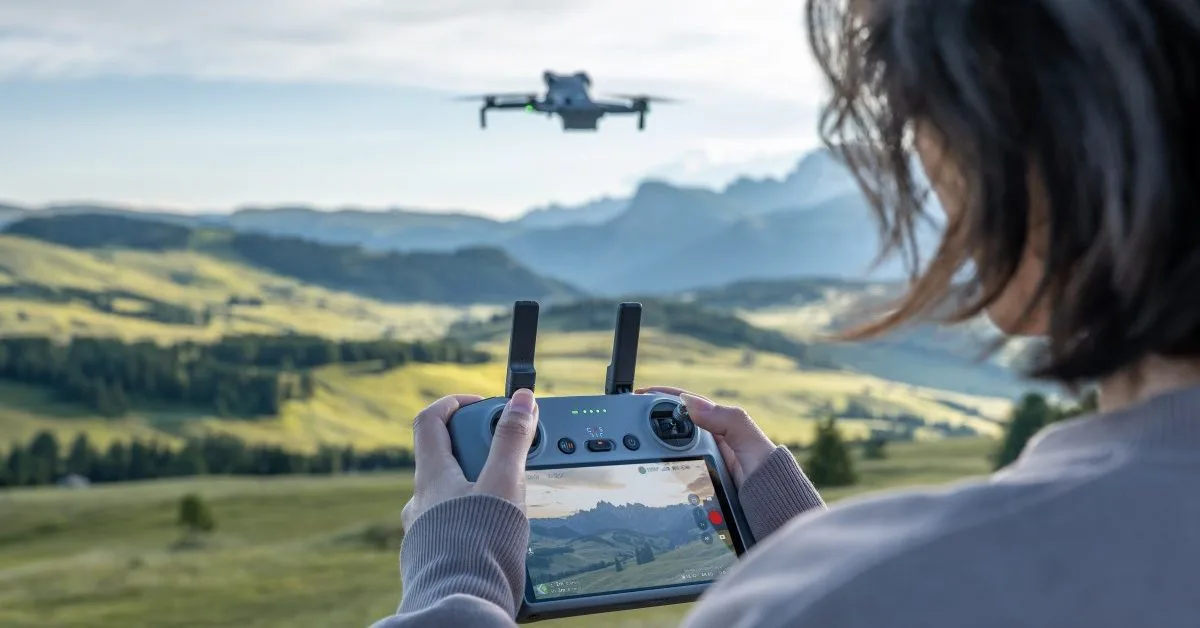
The force includes 400 drone operators—many of whom gained experience during previous deployments by North Korea—and these drones are likely to be used for reconnaissance missions and attacking targets within Ukraine.
CNN said such a move would represent a major expansion of military cooperation between Moscow and Pyongyang, coming at a time when Ukraine faces a severe and painful shortage of air defense systems.
The move also serves as another sign of Russia’s resource depletion and its need for external assistance, despite public statements about the resilience of the Russian economy and the country’s capabilities in military industries, according to CNN.
The growing ties between North Korea and Russia have raised concerns among NATO allies, especially after U.S. President Donald Trump announced on Sunday he would reduce the scale of military exercises with South Korea to avoid provoking North Korean leader Kim Jong-un, the isolated figure Trump hopes to meet again.
Kim Yo-jong, the powerful sister of North Korean leader Kim Jong-un, denied claims that tens of thousands of additional North Koreans would soon join Russia’s efforts, calling it a "fabricated scenario with no basis in fact".
Skibitsky clarified that Ukrainian intelligence believes the North Korean forces sent to Russia will not fight directly on Ukrainian soil but will instead reinforce Russian positions in rear areas, allowing Russian forces to focus on launching attacks inside Ukraine.
Although Ukraine first warned in October about the potential use of North Korean drone forces inside its territory, this is the first indication that the new wave of troops will possess this capability.
Skibitsky noted that in addition to the likely request from Putin for more troops, around 25,000 North Korean soldiers have already been deployed or rotated into the Russian military ranks.
The first deployment of North Korean forces began in the Kursk region in October 2024 to repel a Ukrainian incursion—an event marking the first such attack on Russian soil since the Nazi era.
North Korea remained silent for several months regarding its initial troop deployment to support Russian forces and only confirmed its soldiers’ participation in combat against Ukraine in April 2025.
Estimates suggest around 10,000 North Korean soldiers were deployed, suffering heavy casualties after resorting to suicidal tactics involving mass, intense assaults to breach Ukrainian positions, according to CNN.
CNN observed that North Korea’s willingness to endure such losses reflects the widening global alliances supporting Russia and Moscow’s urgent need for additional manpower; wounded soldiers have returned home able to pass on their battlefield experience in drone warfare and the new technological realities dominating modern battlefields.
It noted that, as evidence of the strength of bilateral relations, Russian state media aired images last year showing North Korean troops training inside Russia, and in April Kim Jong-un opened a memorial monument honoring North Korean soldiers killed in Ukraine.
At the same time, Skibitsky highlighted how North Korea is assisting Russia with missile technology to bolster its offensive. He stated that before August of last year, North Korea had sent at least 150 ballistic missiles of types "KN-23" or "KN-24" for use in Ukraine, with promises to deliver an additional 120 missiles.
Kyiv is increasingly struggling to intercept these weapons, especially as the U.S.-supplied Patriot interceptor missile stockpile—one of the few systems capable of shooting down ballistic missiles—has been nearly depleted.
Skibitsky said 40 Patriot missiles have been delivered, and two are suspected to have been used in an attack on July 30 in the Radushnyi area of Dnipro region, which killed at least four children from the same family.
The Ukrainian official pointed out that around 90 personnel were sent to Voronezh to assist in missile launches, while 10 large cargo flights—possibly carrying missiles from North Korea—landed at the airport in the Voronezh region.
Skibitsky noted that newer versions of the missiles have an extended range of up to 800 kilometers, though they often fall between 15 and 19 kilometers short of their target, adding that North Korea is using these launches in Ukraine to improve targeting accuracy and rocket payload capabilities.
Skibitsky concluded that North Korea has requested the Russian S-400 air defense system in exchange for providing human forces and ammunition, and has already received a Pantsir-1 ground-to-air missile launch platform.