·
·


World
Washington is pushing Baghdad to sever ties with Iran-backed factions after more than 600 attacks on US targets in Iraq.

More than 600 attacks have been carried out by Iran-backed armed groups against American diplomatic facilities and personnel inside Iraq since the start of the US-Israel-led war, the US State Department and a senior administration official told NBC News. The revelation comes as Washington intensifies its pressure on the Iraqi government to take decisive action against these factions.
The State Department has urged Iraq’s newly formed government to cut all ties with Iran-linked groups. According to officials, the "Baghdad Diplomatic Support Center," a logistics hub for US diplomats, has faced repeated drone strikes, the most recent occurring in mid-March.
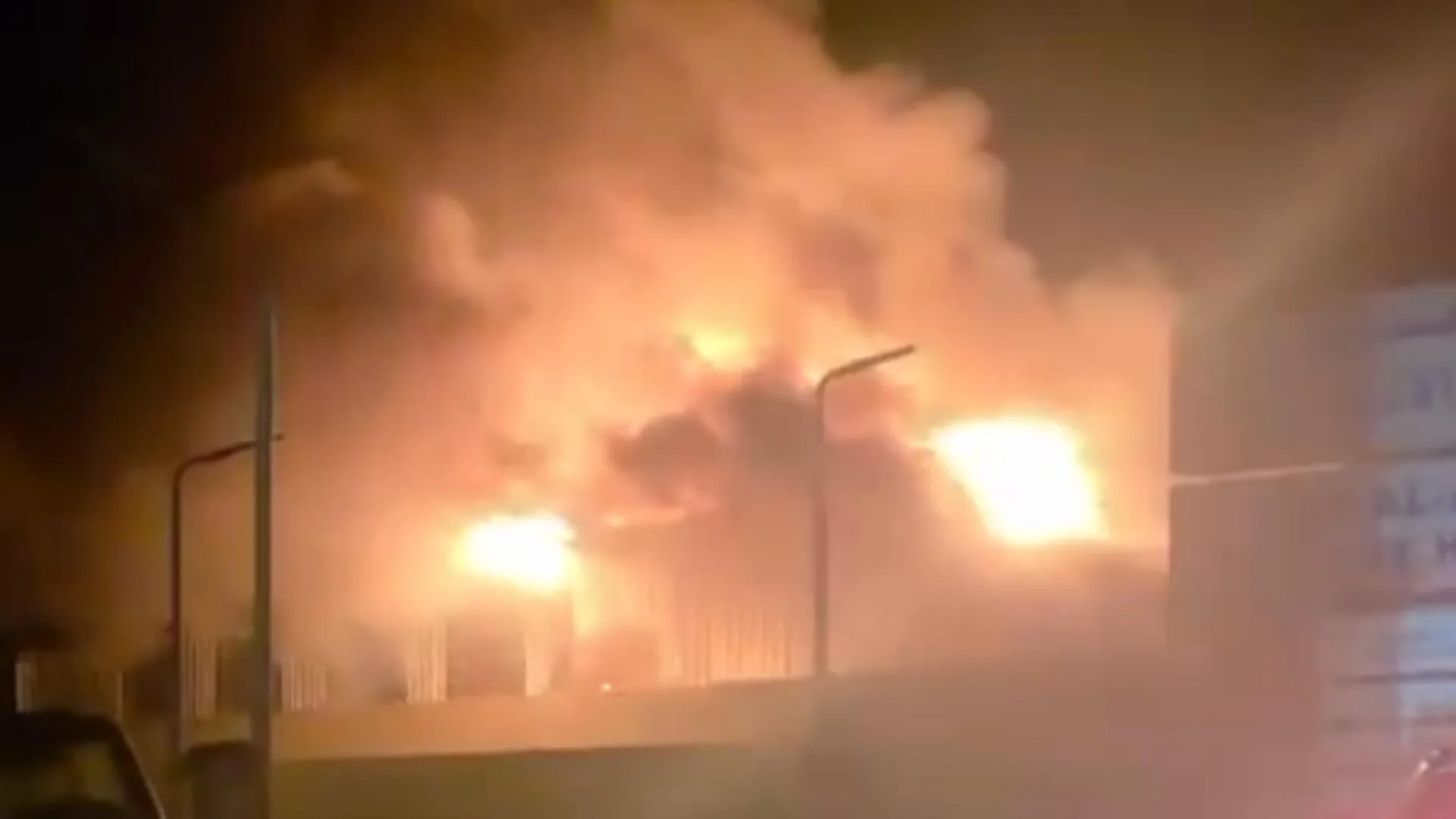
Last Tuesday, the US Embassy in Baghdad called on American citizens to leave Iraq, warning that militias continue to plan further attacks targeting Americans and US-affiliated interests. Video footage has shown smoke rising from a facility near Baghdad International Airport in April, as well as a fire breaking out on the roof of the US Embassy building in March following drone and missile strikes.
In a new escalation, the State Department announced sanctions on Thursday against Iraqi Deputy Oil Minister Ali Maarij al-Bahadli, accusing him of using his position to divert Iraqi oil to Iran. State Department spokesman Tommy Pigott stated that Iranian oil was being blended with Iraqi crude and sold for Tehran’s benefit, adding that the sanctions also targeted oil companies linked to militia support. The Iraqi Embassy in Washington offered no immediate comment on the allegations.
These moves are part of the Trump administration’s broader effort to curb growing Iranian influence inside Iraq, as Tehran-aligned armed groups expand their foothold within state institutions, particularly those demanding the withdrawal of US forces from the country.
Newly appointed Prime Minister Ali al-Zaidi faces mounting pressure to take concrete steps against the armed factions. Last week, President Donald Trump posted on social media calling for a "new Iraqi government free of terrorism and capable of building a brighter future for Iraq."
In April, Washington summoned Iraqi Ambassador to the US Nizar al-Khairallah. Deputy US Secretary of State Christopher Landau condemned hundreds of attacks on Iraqi soil, including what Washington described as an "ambush" targeting American diplomats on April 8, coinciding with the start of a US-Iran ceasefire. According to an official statement, Landau said the Iraqi government had failed to prevent the attacks and emphasized that the United States expects Baghdad to take all necessary measures to dismantle Iran-aligned armed groups.
A senior US official stated that "the line between the Iraqi state and these militias has become blurred," adding that some state institutions continue to provide political, financial, and operational cover for these groups. Washington, the official said, is waiting for "actions, not words" from the Iraqi government. The required measures include expelling the militias, cutting off their funding and support, and preventing any payments or facilitation on their behalf.
The Popular Mobilization Forces (PMF) stand out as a key institution where the influence of pro-Iran factions has expanded. Founded in 2014 as a coalition of Shiite militias backed by Tehran to fight the Islamic State group, the PMF later became part of Iraq’s official security apparatus. The US official acknowledged that Washington understands "the complexity of the challenge and the difficulty of disentangling the relationships between the Iraqi state and the militias," but stressed that the starting point must be "a clear political position affirming that the terrorist militias are not part of the Iraqi state."