·
·


World
Ghazi Hamad, a senior Hamas political bureau member, has played a central role in all secret communication channels between Hamas and Israel, both recent ones revealed by Israeli media and earlier ones dating back years.

Ghazi Hamad, a senior figure in the Hamas movement and member of its political bureau, has emerged as a common thread in all secret communication channels between the group and Israel, whether those disclosed in recent Israeli reports or those that preceded them by many years.
Israeli media outlets have reported on two secret communication channels between Hamas and Israel, overseen by Israeli Prime Minister Benjamin Netanyahu, through which direct negotiations were held between the two sides during the 2014 war and during the most recent Gaza conflict.
The reach of communications led by Ghazi Hamad with Israel extends back to 2010, when the movement was negotiating the release of the Israeli soldier it held, Gilad Shalit, who was abducted by Hamas in 2006 during a raid near the Rafah border crossing in southern Gaza.
Ghazi Hamad currently holds the position of member of Hamas’s political bureau and is a permanent member of the negotiation team between Hamas and Israel, though these talks are conducted indirectly under the mediation of intermediaries from Egypt, Qatar, Turkey, and the United States.
Hamad, a veterinarian who graduated from the University of Khartoum, began early in shaping Hamas’s media discourse by serving as editor-in-chief of the newspaper "Al-Risala," one of the oldest and most important newspapers affiliated with Hamas in Gaza.
He also served as the official spokesperson for the Hamas government formed by the late political bureau chairman Ismail Haniyeh in 2006, following Hamas’s victory in that year’s legislative elections.
However, the most significant turning point that opened doors for direct contact with international figures beyond formal diplomatic channels came in 2011, when he assumed the role of Deputy Minister of Foreign Affairs in the government led by Haniyeh.
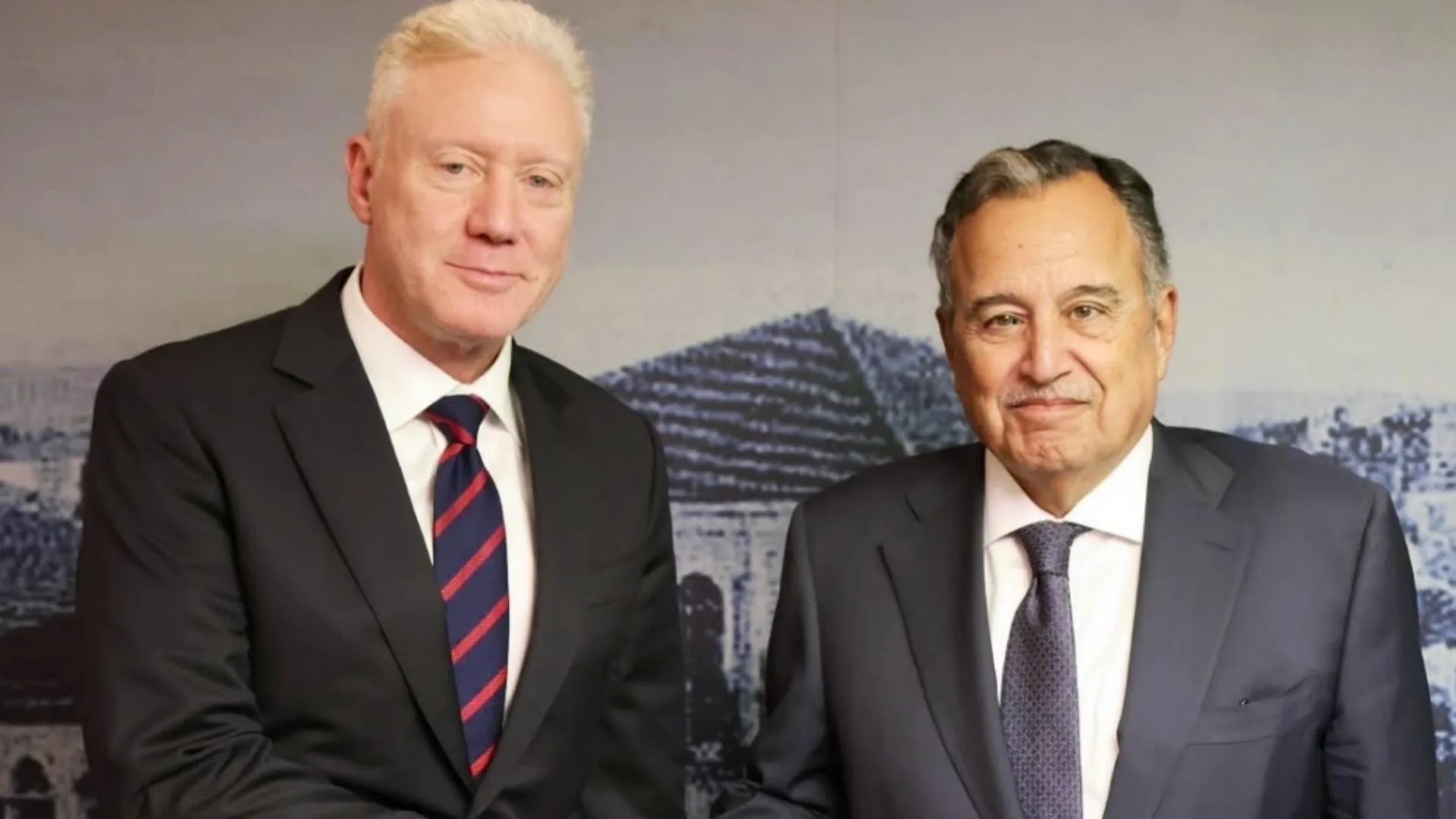
Due to the isolation Hamas faced, no breakthrough in relations occurred until Hamad engaged in direct talks with Israeli officials in 2010 through a communication channel managed by Israeli activist Gershon Baskin, aiming to break the deadlock in negotiations over the prisoner exchange deal for Gilad Shalit.
These talks led by Hamad helped advance the prisoner swap process, after gaining approval from Ahmed al-Jabari, then deputy commander of the Izz ad-Din al-Qassam Brigades—the armed wing of Hamas—who was later assassinated by Israel in 2012.
Hamad’s name resurfaced recently following Israel’s disclosure of communication channels between Hamas and Israel in 2014 and during the latest Gaza war, raising questions about whether the Hamas leader is steering a new direction for the movement in breaking what it previously considered forbidden contact with Israel.
The nature of these communications, largely tied to prisoner and hostage exchange issues—which have now concluded after Hamas handed over all hostages and remains of those killed in its custody—and evolving developments regarding Hamas’s stance may render the group’s presence within the Palestinian political landscape increasingly complex.