Economy
Will Lebanon Face a New Inflation Wave as World Bank Forecasts 23% Rise in Commodity Prices in 2026?
The World Bank predicts a 23% rise in global commodity prices for 2026, raising concerns about a new inflation wave. Economic expert Dr. Bilal Allama warns that Lebanon's heavy reliance on imports will make it particularly vulnerable to rising costs across food, industry, and services.

The World Bank forecasts a 23% increase in global commodity prices in 2026, followed by a 7% decline in 2027. Commodities include the raw materials underpinning economies, ranging from oil and gas to grains and metals.
Amid these projections, a fundamental question arises: Are we facing a new wave of inflation and price hikes? Will Lebanon encounter additional increases in goods prices given the continued pressure on import costs?
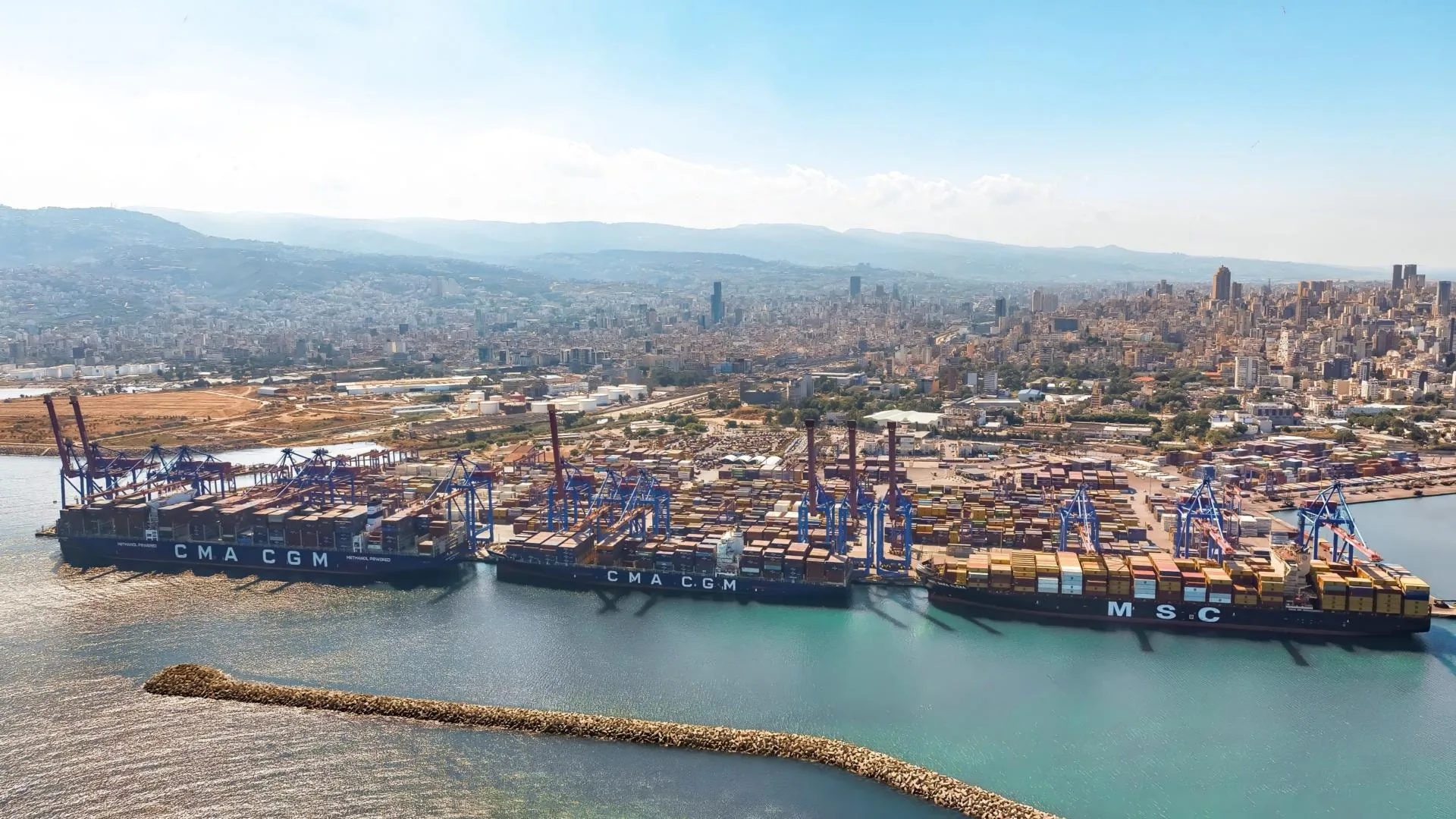
In this context, economic expert Dr. Bilal Allama told "Voice of Beirut International" that Lebanon is expected to be among the most affected economies by the global price surge due to its heavy dependence on imports and weak production base. He notes that any rise in energy, food, and raw material prices, along with shipping and insurance costs, will directly or indirectly impact local markets, cost of living, and production.
Allama highlights that the danger of the upcoming phase, according to the World Bank report, lies not only in rising commodity prices but in the transmission of pressures from importers to merchants and manufacturers, ultimately reaching the consumer, at a time when Lebanese households suffer from declining purchasing power and businesses face increasing difficulties in maintaining sales levels and profits.
Food and Agricultural Sector Leading the Impact
Allama confirms that the food and agricultural sectors will be among the most affected, due to the rising cost of importing wheat, grains, oils, feed, and fertilizers, as well as transportation, cooling, and storage costs.
Food industries will also face higher costs for raw materials, packaging, and energy, which may reflect on the prices of bread, dairy, canned goods, and basic food products.
Lebanese Industries Facing Additional Pressures
As for the industrial sector, particularly plastics, chemicals, detergents, paper, and packaging, Allama expects additional pressures resulting from rising prices of petroleum derivatives, raw materials, and energy.
These increases may pose greater challenges to the competitiveness of Lebanese products compared to imports and limit opportunities for expansion and investment.
Trade Between Rising Costs and Declining Consumption
In the commercial sector, Allama anticipates a decline in profit margins due to higher import costs and the growing difficulty of passing price increases to consumers, who are increasingly inclined to reduce purchases and seek lower-cost products.
He notes that shops and small and medium-sized enterprises may be the most exposed to these pressures due to limited liquidity and capacity to absorb losses.
Transport, Construction, and Real Estate... Added Cost to Economic Activity
Likewise, the transport and logistics sector will not be immune to the crisis, as rising fuel prices, spare parts, maintenance, and insurance costs will affect transport wages and goods distribution, increasing the cost of various economic activities.
Allama points out that the construction and real estate sector may also be affected by the rising cost of some building materials, metals, and imported equipment, in addition to increased operating and financing costs, which could lead to the postponement of new projects and a decline in investment activity and real estate demand.
Tourism and Restaurants Facing Operational Challenges
In the tourism, hospitality, and restaurant sectors, Allama states that rising food, energy, and operational costs will increase pressures on establishments, especially if coinciding with a decline in local purchasing power or if incoming tourism is affected by regional disturbances.
He fears that the accumulation of these pressures may push a number of institutions, particularly small and medium-sized ones, to freeze hiring, reduce working hours and production, or close branches, leading to employee layoffs and the closure of unsustainable businesses.
These developments would exacerbate unemployment and lead to further declines in consumption, creating a negative economic cycle that is difficult to contain.
Interlinked Challenges Requiring Proactive Economic Policy
According to Allama, the repercussions of the crisis will not be equal across all sectors, but they will have interlinked effects on the overall Lebanese economy, especially since rising production and import costs coincide with weak purchasing power, limited financing, and institutional fragility.
He stresses that addressing these challenges requires a proactive economic policy based on supporting agricultural and industrial production, providing financing for small and medium-sized enterprises, enhancing market oversight and preventing monopolies, alongside protecting the most vulnerable social groups, noting that these measures are currently unavailable.
Allama affirms that the real challenge facing Lebanon is not limited to containing price rises but lies in protecting the production and trade cycles and job opportunities, and preventing imported inflation from turning into a broader economic and social crisis.
Latest news

Man Nudifies in Front of Mosque in Downtown Beirut; Suspect Has Prior Record

Israeli Investigation Launched After Vandalism of Maronite Church in Nahariya and Discovery of Mysterious Message

Hajjar Discusses Security Situation with Major General Choucair and Praises Cocaine Seizure Operation