Health
Albinism: Genetic Roots, Vision Risks, and Lifelong Care
Albinism is a rare genetic condition affecting melanin production, leading to vision issues and sun sensitivity that require ongoing medical management.

A lack of pigment defines albinism, a rare genetic disorder impacting skin, hair, and eye health. Understanding its mechanisms highlights the necessity for continuous protection against ultraviolet radiation and specialized ophthalmological care. The condition manifests primarily in two forms: oculocutaneous and ocular, distinguished by specific gene mutations and their effects on coloration.
Types and Physical Symptoms
Oculocutaneous albinism (OCA) represents the most common variant, influencing skin, hair, and eyes simultaneously. Eight subtypes exist, determined by mutations in genes regulating melanin synthesis. Melanin provides color to these tissues; its absence results in very pale skin, white or yellow-red hair, and light-colored irises. Vision impairments vary by subtype, ranging from mild to severe. Some individuals exhibit cream-toned skin with reddish hues and less pronounced visual deficits.
X-linked ocular albinism (OA) targets only the eyes, typically leaving skin and hair unaffected, though slight lightening may occur compared to family members. This form predominantly affects men, who are born with decreased vision and translucent, colorless irises. Physical signs include involuntary rapid eye movements and crossed eyes, symptoms that fluctuate based on the specific type of albinism present.
Genetic Causes and Diagnosis
Mutations in genes responsible for producing or distributing melanin cause albinism, which is present at birth. These genetic variants disrupt normal pigment processes, resulting in lighter-than-usual features. OCA arises from mutations in seven different genes involved in melanin production, while OA stems specifically from changes in the GPR143 gene, which influences eye pigmentation. Albinism follows a recessive inheritance pattern; a child develops the condition when both parents carry the same mutated gene. Most affected individuals have parents who do not have albinism but are carriers. Carrier parents face a 25% probability of having a child with the condition.
Diagnosis often occurs immediately after birth due to visibly lighter skin, hair, and eyes compared to relatives. Genetic testing confirms the diagnosis and identifies the specific type. In cases of ocular albinism, visible markers may be absent initially. An ophthalmologist conducts detailed examinations to detect vision problems, looking for nystagmus or strabismus. Electroretinography may also be employed, measuring electrical responses in the retina to light stimuli. During this test, electrodes placed on the eyes record retinal activity, which appears stronger in people with albinism due to low pigment levels.
Treatment and Sun Protection
No cure exists for albinism. Management focuses on optimizing vision and shielding the body from environmental damage. Regular visits to an eye specialist are essential for monitoring progress and addressing complications. Treatments aim to improve visual function where possible. Skin protection is critical because minimal melanin increases vulnerability to UV rays, raising the risk of sunburn and long-term skin cancer. Protective measures include wearing SPF 30+ sunscreen, covering up with clothing, and avoiding peak sunlight hours.
Living with Albinism
Since albinism is genetic, it cannot be prevented. Approximately 1 in 75 people carry the relevant genes. Genetic counseling assists families in understanding inheritance patterns and making informed healthcare decisions, particularly for those planning children with a family history of the condition. Associated disorders, such as Hermansky-Pudlak syndrome, Chediak-Higashi syndrome, and Griscelli syndrome, also result from melanin-related gene mutations.
With proper management, life expectancy remains average. However, social challenges persist, including teasing or bullying during childhood due to distinct appearances. Support groups offer community connections, while professional counseling helps navigate emotional impacts. Educating teachers, peers, and family members fosters inclusivity. Albinism qualifies as a disability because visual impairments and light sensitivity can hinder daily activities, potentially requiring accommodations in educational and workplace settings.
Latest news

Shungite water may remove some bacteria but risks heavy metal exposure
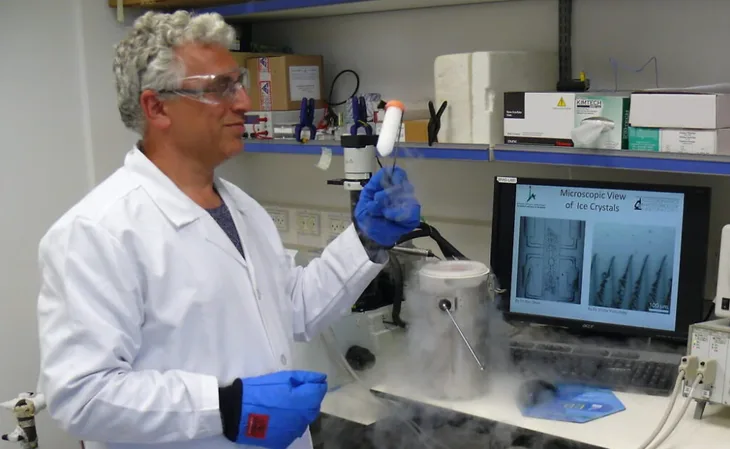
Scientists Create Ice That Is 10x Stronger Than Normal and Biodegradable

Spy Scandal Crashes Nvidia: Why Jensen Huang Just Quit