Health
Experts Analyze Four-Week Electrolyte vs. Caffeine Trial
A journalist replaced afternoon coffee with electrolyte supplements for a month, revealing mixed results on energy levels and hydration needs.

Replacing the daily afternoon caffeine fix with mineral-rich beverages produced noticeable shifts in physical stamina and mental clarity over four weeks. The experiment tested whether TikTok’s viral wellness trend could genuinely outperform traditional coffee habits for sustained energy.
Initial Transition and Early Results
The subject selected IM8’s Daily Ultimate Essentials as the primary supplement, aiming to leverage its promised benefits for immunity, digestion, and performance. Having consumed coffee since high school, reducing intake proved difficult; however, the morning cup remained while the afternoon slot switched to either water or the electrolyte mix.
During the first week, the drink was consumed three times following workouts, including two gym sessions and one 45-minute spin class. Immediate revitalization occurred after each dose, with effects persisting hours later. The energy surge matched that of coffee but lacked associated negative side effects, suggesting effective replenishment of expended resources.
Mid-Experiment Patterns and Setbacks
By the second week, existing struggles with mental health manifested as fatigue and brain fog. Coffee reduction contributed to midday slumps, yet post-workout electrolyte consumption provided distinct bursts of energy. Taking the recommended single serving three times that week allowed for immediate task engagement, offering a more sustainable afternoon energy source than previous habits.
The third week introduced variables that disrupted the routine. Family visits during graduation week led to skipped workouts and only one electrolyte dose, taken after a treadmill warm-up and full-body session. While emotional well-being improved due to family interaction, physical energy declined significantly without the afternoon supplement. Symptoms included grogginess, irritation, and exhaustion by 9 pm, though causes ranged from excessive walking (15,000+ steps) to premenstrual symptoms and reduced hydration.
Final Routine and Expert Analysis
In the fourth week, stability returned with two doses: one during menstruation to aid administrative work and another post-workout for rehydration. Both instances resulted in increased alertness and productivity. Although brain fog persisted, fatigue decreased noticeably after each intake.
Supatra Tovar, PsyD, RD, notes that mild dehydration involving low sodium and potassium levels often causes irritability and fogginess. Restoring homeostasis through proper electrolyte balance can enhance alertness and emotional stability. She suggests fortified drinks containing glucose and B vitamins may offer superior mood support compared to non-fortified options.
Tovar contrasts this with coffee, which provides a mental lift but acts as a mild diuretic, potentially exacerbating dehydration. For those already fluid-depleted, electrolytes serve better than caffeine. Alicia Bigelow, ND, emphasizes that adequate electrolytes are critical for cellular and nervous system function, with individual needs varying by diet, genetics, and activity level.
Practical Application and Verdict
Experts advise reserving electrolyte drinks for periods of intense sweating, illness recovery, or extreme heat exposure. For sedentary individuals with balanced diets, plain water remains sufficient. Overconsumption risks excessive mineral intake, particularly sodium. Water retains its status as the primary hydration tool, supplemented by water-rich fruits and vegetables.
The journalist concluded that while the trend offers utility for specific physical demands, it does not replace foundational self-care. Future use will be limited to post-intense workout recovery, cold management, or tasks performed in extreme heat, rather than becoming a daily staple replacing coffee.
Latest news

TSMC Board Approves $1 Billion Strategic Investment in Anthropic and OpenAI

Russia debuts Sokol-3 drone, claims jet-target capability
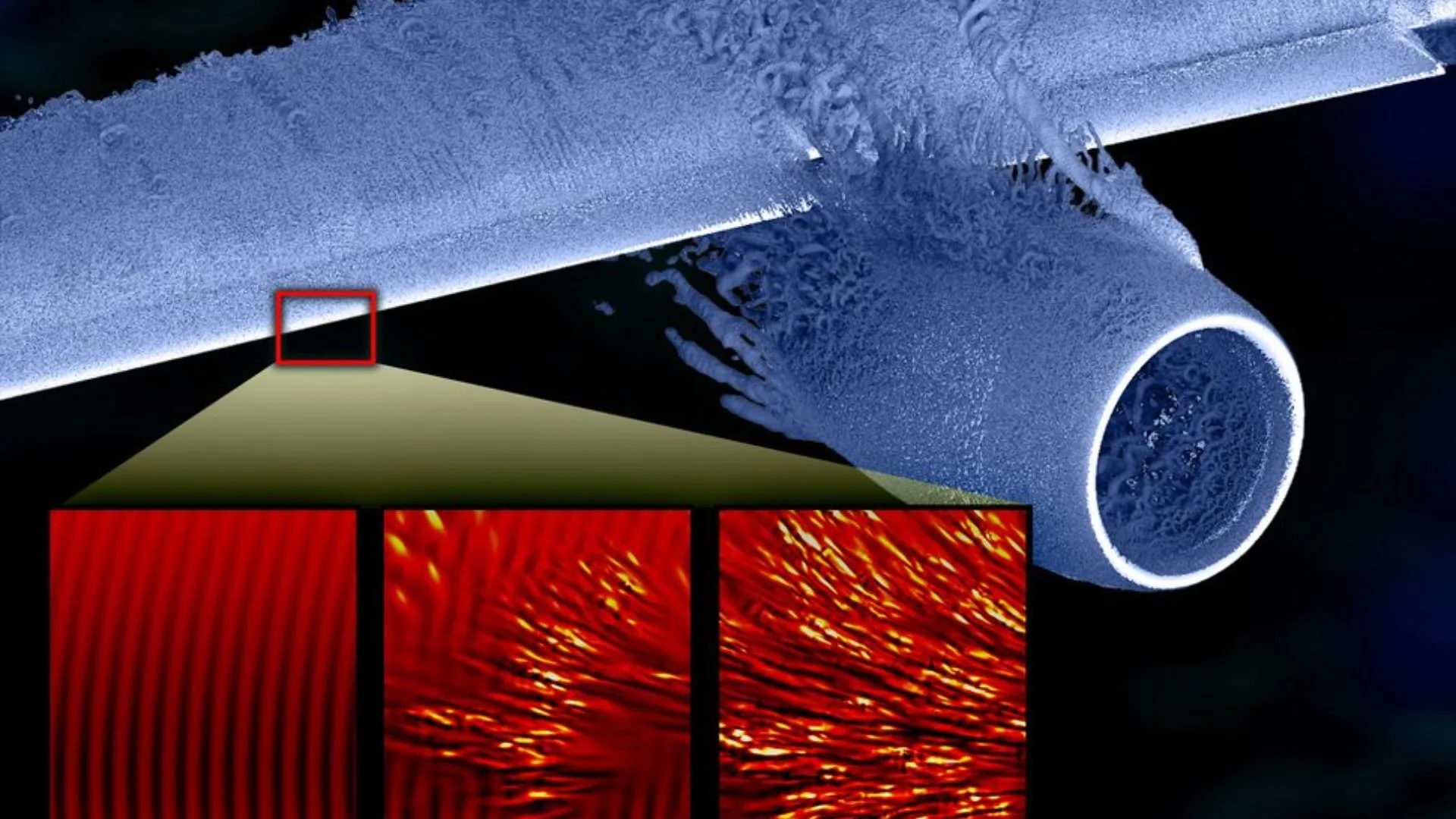
Boeing uses Frontier supercomputer to solve turbulence physics