

Health
Experts debate Havana Syndrome causes amid MPI theory scrutiny
Analysis of mass psychogenic illness theories regarding anomalous health incidents reveals significant gaps in explaining victim symptoms and onset patterns.

The assertion that Havana Syndrome constitutes a classic case of mass psychogenic illness (MPI) rather than physical injury faces substantial scientific challenges. While some experts advocate for this psychological explanation, the hypothesis fails to account for numerous data points derived from studies of victims. Consequently, MPI remains an unproven theory despite its popularity among certain commentators.
Defining Mass Psychogenic Illness
MPI involves the rapid transmission of physical symptoms within cohesive social groups without an identifiable organic cause. This spread occurs through visual, verbal, or media-driven anxiety and belief. Unlike infectious diseases, MPI propagates via social networks rather than proximity to a source, predominantly affecting females and younger individuals. Typically, the initial case emerges from someone with high status or visibility.
Symptoms commonly include headache, dizziness, nausea, hyperventilation, fainting, chest tightness, weakness, paresthesias, and abdominal pain. Motor manifestations may add tremor, tics, psychogenic seizures, gait disturbance, and dysphonia. Historical examples cited in literature include the 1962 Tanganyika laughter epidemic, the 1983 West Bank schoolgirl incidents involving nearly 1,000 Palestinians, the 2011–12 Le Roy, NY Tourette-like tics, and contemporary “TikTok tics” reported in young people during extensive social-media exposure.
Arguments Supporting the Psychological Theory
Medical sociologist Dr. Robert Bartholomew and neurologist Dr. Robert Baloh argue in their book, *Havana Syndrome: Mass Psychogenic Illness and the Real Story Behind the Embassy Mystery and Hysteria*, that anomalous health incidents (AHIs) represent a classic MPI example. They highlight overlaps between AHI symptoms—such as headache, dizziness, and nausea—and those seen in MPI cases. Additionally, they point to shared predisposing conditions like social contagion through news, acute stress, and narratives attributing AHIs to directed-energy weapons wielded by foreign adversaries.
Bartholomew and Baloh dismiss the possibility of pulsed radiofrequency (RF) energy or toxins causing these injuries. Bartholomew characterized proposed RF attacks as “science fiction,” stating that “humans have a remarkable capacity for self-deception.” Baloh further asserted that “the idea that a sonic weapon caused selective brain or inner ear damage is not physically possible.”
Contradictions in the MPI Hypothesis
Eric Haseltine, Ph.D., former Associate Director of National Intelligence overseeing science and technology for the Intelligence Community, expresses far less confidence in the impossibility of RF weapons. In his role, he authored *The Spy in Moscow Station*, which describes Russian microwave attacks on U.S. embassies. Haseltine notes that two prestigious expert panels—one from the National Academies of Sciences, Engineering, and Medicine and another from the Intelligence Community—concluded that pulsed RF energy could plausibly account for distinctive AHI symptoms, though neither panel pinpointed an exact mechanism of injury.
Haseltine and his wife, Chris Gilbert, MD, PhD, developed a high-fidelity simulation of the head, brain, and inner ear. Their model encompasses pulsed RF field concentration, heat generation, pressure buildup, thermoacoustic pressure transients, and tissue strain. Results suggest multiple plausible mechanisms by which pulsed RF could inflict injury consistent with patient reports, echoing findings from Army Research Laboratory scientists. However, these results do not prove causation.
Several aspects of the AHI narrative conflict with MPI theory. An NSA employee reported an incident predating the highly publicized Havana cases, meaning social contagion from later reports cannot explain earlier occurrences. The sudden onset of acute pain, pressure, ear fullness, and directional sounds differs from typical MPI outbreaks. Multiple patients report symptoms starting upon entering specific areas, stopping when leaving, and resuming upon reentry. Furthermore, several medical studies identified objective clinical findings, including vestibular and oculomotor abnormalities, although later studies did not find corresponding group differences on all measures.
Autopsy studies of individuals with brain trauma have identified microscopic damage despite unremarkable gross examinations, indicating physical injury can be difficult to detect routinely. Some individuals reported symptom onset while alone at night in their residences before knowing of wider cases, challenging the social transmission model. Classic MPI outbreaks are often explosive and self-limiting, yet a subset of Havana patients report symptoms persisting for years despite dispersal and treatment. Early Havana cases involved personnel with limited awareness of one another’s symptoms, contradicting the social network spread pattern. Finally, some affected individuals were dismissive of colleagues’ claims before experiencing their own onset, the reverse of what a nocebo explanation would require.
Implications for Victim Care
The MPI hypothesis represents a valid possibility that cannot be entirely discounted, particularly given that more than a thousand government employees have reported AHI symptoms. It is possible that at least some experienced MPI. However, the balance of evidence—even discounting objective medical findings and expert panel conclusions on pulsed RF—weighs against MPI as the sole cause. Statements calling physical causes “science fiction” or “impossible” appear to exceed the data warrant.
Haseltine and Gilbert, who have interviewed half a dozen people reporting AHI, emphasize careful language. They acknowledge substantial gaps in scientific knowledge regarding how pulsed RF affects the brain and vestibular system. They use terms such as “possible,” “plausible,” and occasionally “likely” or “unlikely,” avoiding absolutes. If a physical cause exists, confident assertions that symptoms are purely psychological risk doubly victimizing individuals who have already suffered career endings or distress for speaking up. As Haseltine concludes, it is one thing to suffer; it is quite another to have the reality of that suffering discounted with absolute certainty.
Latest news
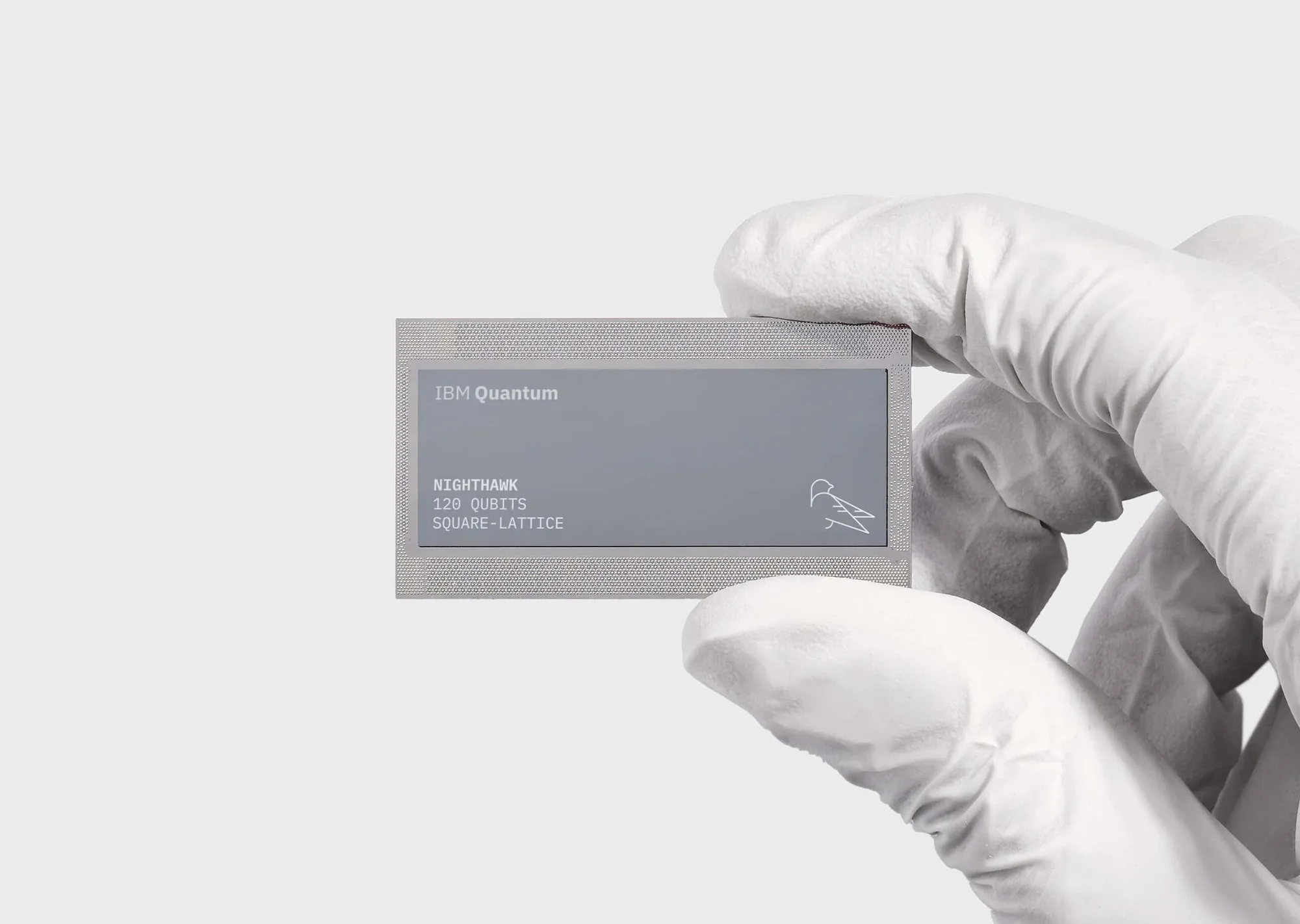
IBM Nighthawk r2 Completes Quantum Sampling in 19 Seconds

Kentucky turtle found with blue shell undergoes paint removal

Raji: No Stability in Lebanon with Weapons Outside State Authority
