·
·


Lebanon
Health Minister Rakan Nasser al-Din announced major progress in Lebanon's health sector, emphasizing preventive care and expanded medical coverage, including 100% hospitalization support for uninsured citizens and refugees.

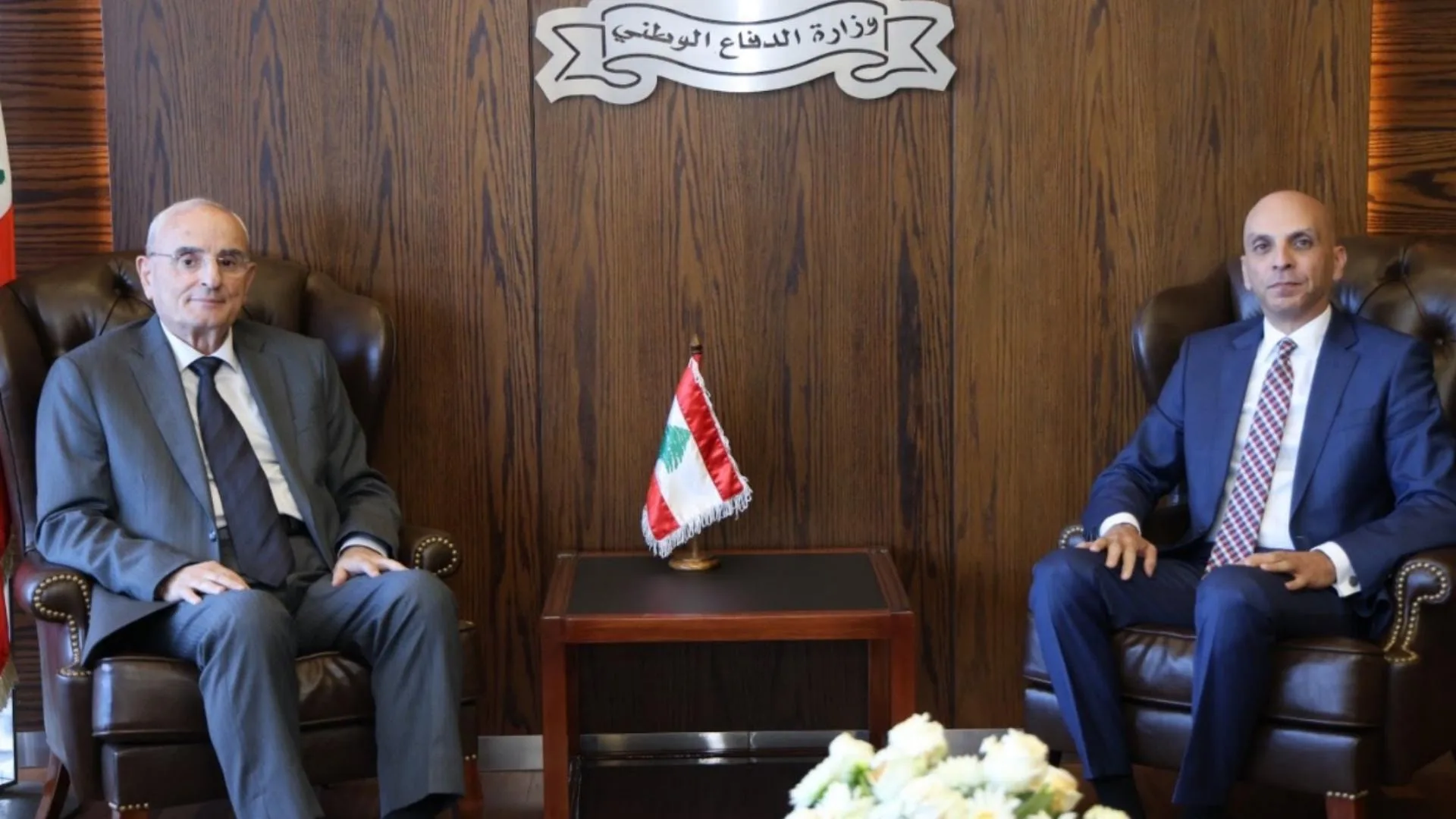
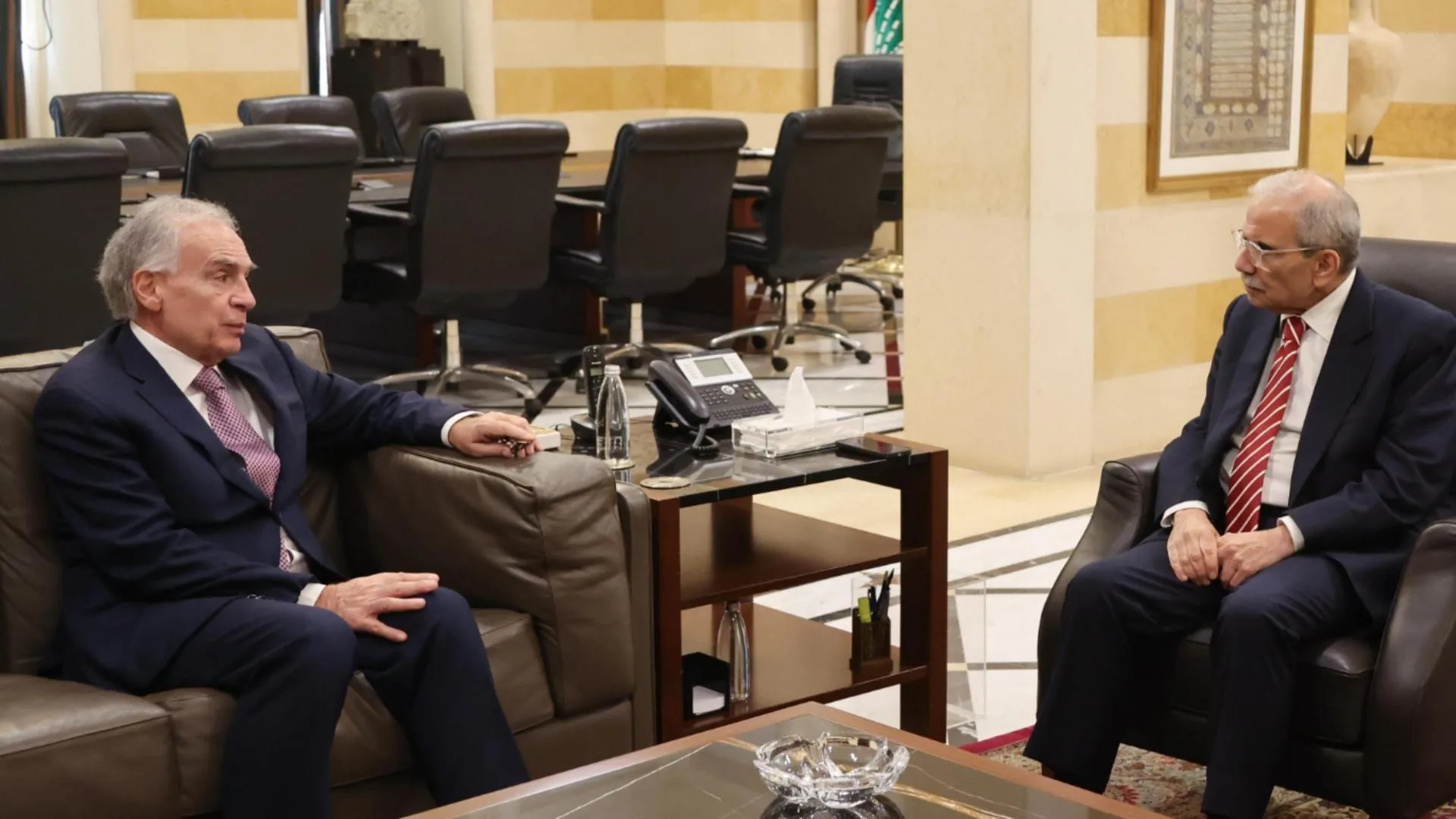
Minister of Public Health Rakan Nasser al-Din inaugurated the "Health and Wellness Forum" under the slogan "Prevention and Awareness" at Beit al-Tibb - Al-Adliah in Beirut, attended by former Health Minister Dr. Firas al-Abdullah, President of the Lebanese Medical Syndicate Prof. Elias Shalala, President of the Lebanese Pharmacists Syndicate Dr. Abdul Rahman Murbawey, Executive Director of "Sidi Lebanon University Hospital" Dr. Fadi Saad, President of the Lebanese Nurses Syndicate Abeer Kurdieh Al-Ma'ar, President of the Lebanese Licensed Midwives Syndicate Dr. Rima Choueitou, Head of Dermatology Department at "Balamand University" Dr. Nancy Mfarj Younes, conference organizer Dr. George Mfarj, members of the organizing committee, a large number of doctors and specialists, representatives from civil society organizations focused on health awareness, and representatives from companies exhibiting health products during the exhibition coinciding with the forum.
The forum emphasized the evolution of the concept of health care from treating illness to preventing it through awareness, continuous monitoring, and adopting a balanced diet and physical activity, which contributes to building sound health and reducing diseases—positively impacting individuals first, then healthcare costs.
Nasser al-Din
In his speech, the Minister of Public Health affirmed that "the mid-term review conducted last month by the Ministry of the National Health Strategy - Vision 2030, revealed that hospitalization costs in Lebanon remain extremely high," considering this issue a "legitimate cry" amid the absence of comprehensive health coverage.
He explained that "hospitalization costs continue to be a heavy burden, despite the Ministry of Public Health being present alongside patients, as well as guaranteeing entities."
He cited figures showing the scale of hospitalization spending, noting that "the Ministry spent approximately $38 million on hospitalization costs in 2024, while expanding treatment protocols and adding new coverages for various procedures at 100% increased spending to over $150 million in 2025."
He stated: "Estimates for this year indicate that hospitalization coverage costs will exceed $250 million, due to benefits and coverages approved by the Ministry, including 100% coverage for all Lebanese not covered by any guaranteeing entity and for refugees."
He stressed that "the Ministry relies on an advanced monitoring system to track expenditures transparently, ensuring every penny is used effectively and helping alleviate financial burdens on citizens."
He pointed out that "the Ministry sets priorities for coverage in the adopted codes, ranging from life-saving cases to specialized surgical procedures, particularly bone marrow transplants, whose cost per procedure ranges between $30,000 and $60,000. The Ministry disclosed that nearly 70 bone marrow transplants were performed this year at the American University of Beirut, fully funded by the Ministry of Public Health at 100% coverage."
He noted that "this coverage, despite its importance, remains insufficient," stating: "Achieving comprehensive health coverage remains the ultimate goal, but the current Ministry budget does not allow for coverage of all Lebanese citizens."
He emphasized that "with rising hospitalization costs and limited budgets, prevention and early detection have become essential pillars of health policy," affirming "the importance of primary healthcare centers spread across various Lebanese regions—numbering 345 centers—operating as advanced clinics staffed with specialists."
He considered "investing in these centers a correct step, unprecedented in Lebanon’s history," explaining that "these centers previously operated under political patronage, relying on funding from parties or associations at times, making them heavily dependent on foreign financing."
He highlighted that "the Ministry insisted today on setting a financial ceiling for these centers, ensuring their funding transitions to the state and securing greater financial sustainability."
He clarified that "investing in primary healthcare achieves significant savings in hospitalization costs," noting that "studies by the World Health Organization show that every dollar spent in primary healthcare centers saves about $20 in hospitalization expenses."
He announced that "campaigns organized by the Ministry of Public Health to raise awareness about diseases such as breast cancer, colorectal cancer, and other cancers significantly reduce hospitalization costs through enhanced prevention and early detection."
He revealed that "this year, the Ministry will relaunch the national early detection campaign for breast cancer with a new format, ensuring mammography services are available in all public hospitals, linked to primary healthcare centers, with services accessible throughout the year—not just during the three months previously covered by the campaign."
He affirmed that "the Ministry is proud of the referral system currently in place, from primary healthcare centers to public hospitals," considering it "an essential component of the prevention system the Ministry seeks to establish and develop."
He said: "Securing funding for primary healthcare centers means ensuring early diagnosis, early detection, and proactive care, which will help reduce advanced disease cases and lower high hospitalization costs."
Regarding hospital receivables, he noted that "the Ministry of Public Health has managed to settle hospital dues faster than other insurance bodies, for hospitals that submitted their documents and paperwork on time."
Highlighting efforts to strengthen hospital capacity, he referred to "the significant development witnessed at Rafik Hariri University Hospital," explaining that bed numbers have risen from around 80 to 280 beds currently occupied.
He concluded by stressing that "this advancement in the health sector would not have been possible without cooperation from various syndicates," praising "this monumental effort," and calling for "continuing work with the same spirit of collaboration for the benefit of citizens and the strengthening of Lebanon’s health sector."
Shalala
The forum opened with the Lebanese national anthem and a welcome address by the opening ceremony host, media personality Patricia Samaan. The President of the Lebanese Medical Syndicate, Dr. Shalala, spoke on the importance of the forum, stating that "the concept of health is no longer limited to diagnosing and treating illness, but has evolved into a more comprehensive idea based on prevention, healthy lifestyle, mental and physical health, quality of life, and health awareness."
He said: "The challenge today is not merely treating illness after it occurs, but working together to prevent it before it happens, promoting health culture and encouraging individuals to become key partners in maintaining their own health."
He emphasized the importance of the concept of 'Wellness,' stating that "it does not mean merely the absence of illness, but achieving a better state of physical, mental, and social balance, enabling individuals to live healthier, more productive, and dignified lives."
He affirmed that "the Medical Syndicate believes the doctor’s role extends beyond prescribing treatment—it includes health education, prevention, correcting false health perceptions, and combating misleading information spreading through social media."
He added: "The unchecked spread of false health information is no longer acceptable; we must protect society from such misinformation and strengthen the role of doctors and health institutions in providing reliable medical knowledge to citizens."
Murbawey
Meanwhile, Syndicate President Murbawey stated: "Pharmacists play a crucial role in achieving wellness, as they are the closest to people and true partners in human health and quality of life. Lebanese pharmacists have proven that the profession is much more than a job," urging "a shift from the slogan of wellness to a culture of living, so that people remain healthy before needing treatment."
Saad
Dr. Saad also stressed that wellness "is not a privilege," adding that "treatments are advancing rapidly today, and it is widely recognized that prevention is vital and helps people live longer, healthier lives."
He highlighted "the importance of maintaining mental health, which helps physically ill patients recover faster than those lacking good mental health," noting that "the leading cause of heart disease is no longer smoking, but stress."
Al-Ma'ar
Al-Ma'ar focused on "the fundamental and critical role of nurses and nursing assistants in health education," urging "support for nurses and nursing assistants, as this support saves lives, revitalizes the economy, and promotes a culture of prevention to protect individuals and communities."
Choueitou
Choueitou emphasized that "prevention is a cornerstone of midwifery, a profession dedicated to accompanying women and families."
Younes
Similarly, Dr. Younes affirmed that "the best time to maintain health is before losing it, through building prevention and awareness."