Lebanon
Al-Rahi: Lebanon is not built on divisions... and we must restore citizens' trust
Maronite Patriarch Cardinal Mar Bechara Boutros Al-Rahi presided over the Thanksgiving Mass for the beatification of Blessed Patriarch Mar Elias Peter Al-Hawayek, affirming that Lebanon is not built on divisions but on the unity of its children and the establishment of a state of right and law.

The Maronite Patriarch Cardinal Mar Bechara Boutros Al-Rahi presided over the Thanksgiving Mass for the beatification of the Blessed Patriarch Mar Elias Peter Al-Hawayek at the Patriarchal Seat in Dimane, affirming that "Lebanon is not built on divisions, but on the unity of its children, and on the establishment of a state of right and law, following the example of Al-Hawayek, who combined holiness with nation-building, and made freedom and coexistence an eternal message for Lebanon."
Assisting Al-Rahi in the Mass were: Metropolitans Elias Nassar, Simon Fadoul, and Samir Mazloum, Father Fadi Tabet, and Priests Camillo Mikhail, Elie Saadeh, Nemtallah Makrazel, Karim George, and George Yarak, in the presence of a crowd of believers who came from various regions.
After the reading of the Holy Gospel, Al-Rahi delivered a homily titled: "He who is not with me is against me, and he who does not gather with me scatters," in which he considered that "this Gospel word summarizes the message of Patriarch Al-Hawayek, who was not a man of division, but a man of encounter and unity, who gathered Lebanese around the human being and the nation, and made truth and justice the foundation of every national project."
Al-Rahi affirmed that "the beatification of Al-Hawayek is not limited to honoring a historical figure, but is a declaration that holiness is capable of making history, and that when faith meets national responsibility, it becomes a force that builds nations and preserves human dignity," welcoming "the envoy of His Holiness the Pope, Cardinal Marcello Semeraro, who presided over the beatification ceremony," considering that "his presence embodies the depth of communion between the Maronite Church and the Apostolic See, and confirms the status Lebanon holds in the heart of the Universal Church."
He also reviewed the key milestones in the life of Blessed Al-Hawayek, from his academic and priestly formation, through his service in Bkerki, to his election as Patriarch, noting that he "lived relying on divine providence, and thus deserved to be known as the 'Patriarch of the Poor' after he opened the doors of the church during the famine of 1916 to save the starving, and made service to humanity the priority of his mission."
He also paused at his ecclesiastical and educational achievements, from supporting religious orders, seminaries, and schools, to founding the Congregation of the Maronite Sisters of the Holy Family and the patriarchal vicariates in several countries of the diaspora, affirming that Al-Hawayek believed that the nation's renaissance begins with the education of the human being.
Al-Rahi devoted ample space to the national dimension in Al-Hawayek's message, considering that his greatest achievements were his leadership of the movement that led to the declaration of the State of Greater Lebanon, after he carried Lebanon's cause to the Paris Peace Conference in 1919, demanding its independence, the restoration of its historical borders, justice for its people, and the preservation of its sovereignty, thus succeeding in establishing the right of Lebanese to a free, sovereign, and independent homeland that accommodates all its children.
He stressed that "Lebanon today is in greatest need of drawing inspiration from this comprehensive national vision, based on partnership, respect for pluralism, and entrenching the state of institutions and law, far from the divisions and conflicts that weaken the nation."
Al-Rahi concluded by calling on Lebanese to emulate the Blessed Al-Hawayek, and to work together to rebuild the state and restore citizens' trust in their homeland, through prayer, work, and unity, so that Lebanon remains, as Al-Hawayek desired it, a homeland of freedom, dignity, and coexistence, and a message of hope for the East and the world.
After the Mass, the Patriarch received the participants in the Divine Sacrifice.
The relics of the Blessed Al-Hawayek had set out in the morning from the Church of the Patriarchal Seat, amidst a motorcade and to the sound of hymns and the scattering of roses, heading towards the convent of the nuns in the town of Aibine, Batroun.
Latest news
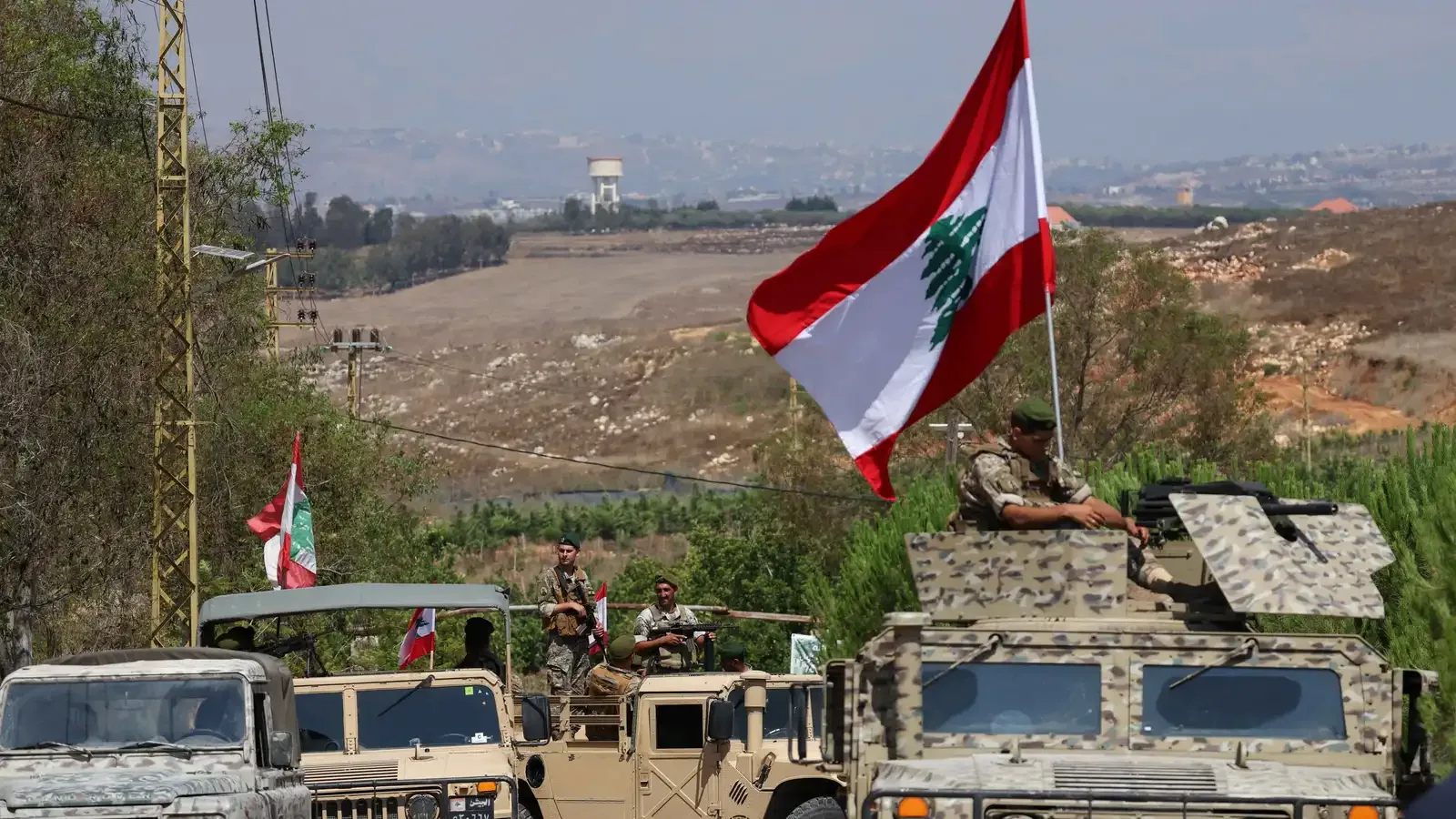
Raids and Home Searches in Biretall
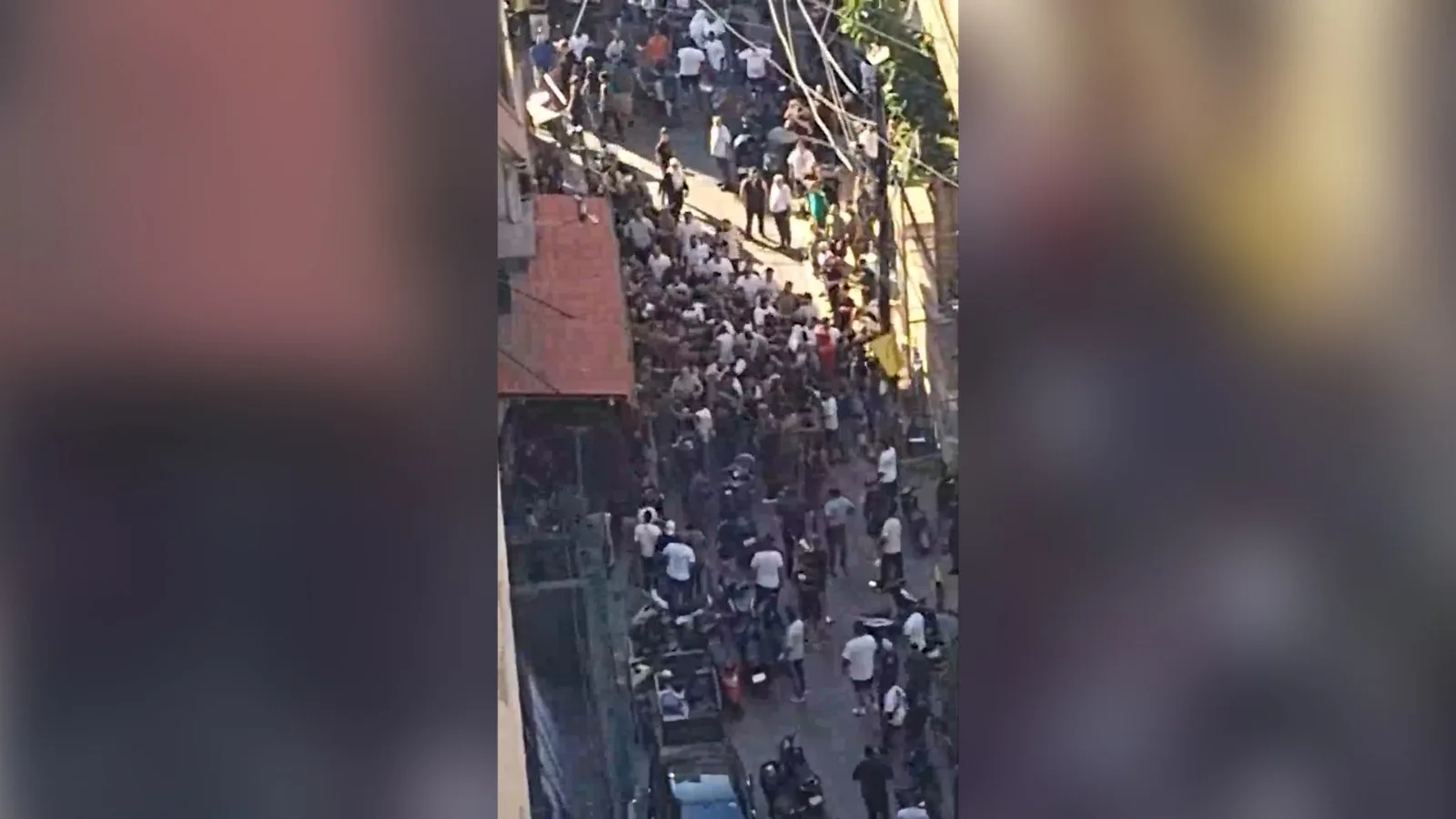
After the Berijeh Incident... What Did the Army Announce?
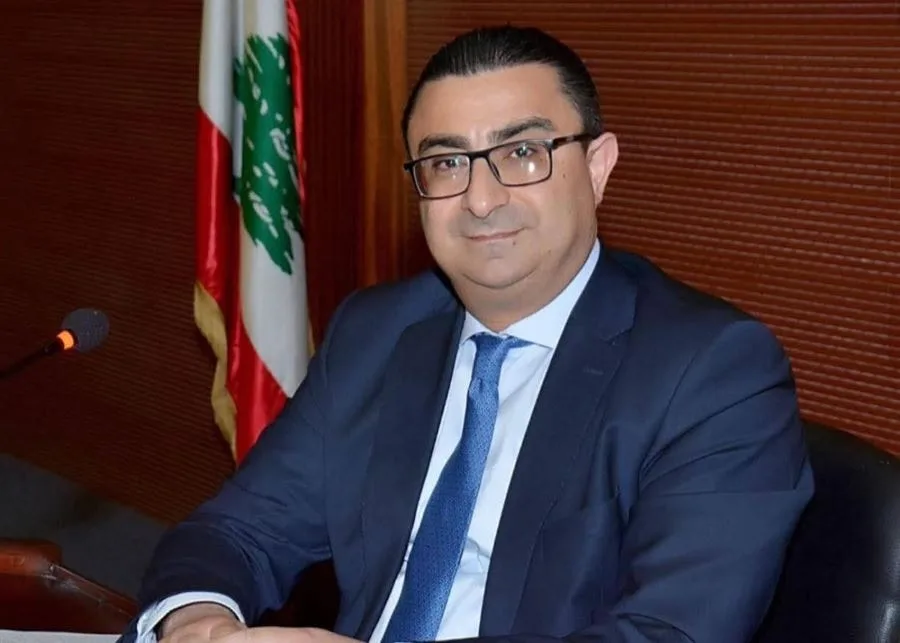
The Public Prosecutor Withdraws from Judicial Council Session... What's the Reason?