

Lebanon
Dialogue Meeting Between Minister of Economy and Business Union to Discuss Financial Challenges and Reforms
The International Union of Lebanese Businessmen (MIDEL) hosted Minister of Economy and Trade Amer Al-Bassat for a dialogue on economic challenges, banking reforms, IMF negotiations, and the need for urgent financial support for the private sector.

The International Union of Lebanese Businessmen and Women (MIDEL), headed by Fouad Zmokhol, hosted Minister of Economy and Trade Amer Al-Bassat in a dialogue meeting. Attended by board members, the advisory council, business leaders, and entrepreneurs, the session focused on discussing economic directions for the upcoming phase and the urgent steps and procedures being undertaken by the Ministry of Economy and Trade to confront the worsening challenges facing Lebanese institutions.
The discussion centered on the financing crisis suffocating the private sector amid the absence of banking facilities, working capital, trade finance, and investment loans. Participants questioned how "institutions can survive, grow, and create jobs in the absence of the simplest necessary tools for any economic activity."
The meeting also addressed the path of banking reforms, the fate of restructuring the banking sector, the latest developments in negotiations with the International Monetary Fund (IMF), and their potential impact on restoring confidence and reviving the economic engine.
Attendees discussed ways to reactivate Lebanese exports and regain regional and international markets, as well as the role the Ministry of Economy can play in supporting Lebanese institutions, enhancing their competitiveness, and opening new horizons and markets for their products and services.
The issue of attracting foreign investments formed a key axis of the discussion, particularly regarding the legal, financial, and institutional guarantees that can be provided to protect investors. Emphasis was placed on the fact that an investor first seeks protection of their investment and guarantee of their rights before even considering injecting new funds into Lebanon.
Furthermore, during the dialogue, the issue of excessive taxation and fees imposed on institutions exhausted by successive crises was raised, along with warnings that continuing to burden the private sector with additional costs could threaten the survival of institutions and weaken their ability to compete, invest, and employ.
The meeting concluded with a discussion of one of the most prominent structural obstacles to economic recovery: the high cost of doing business in Lebanon, ranging from energy, operations, transportation, services, and fees to accumulated administrative and financial burdens.
Participants stressed "the importance of moving from diagnosing crises to taking practical and swift actions, and establishing a genuine partnership between the public and private sectors, aiming to reduce production costs, restore financing, stimulate investment, and recover the competitiveness of the Lebanese economy. Especially since the private sector does not ask for privileges, but rather a sound economic environment that allows it to withstand, invest, produce, and compete, instead of remaining in a daily battle and constant struggle for survival."
Fouad Zmokhol concluded by saying: "We welcomed the technocratic government, but we do not want technocrats to serve politics; rather, we want politics to serve technocrats, and political decisions to be harnessed for reform and economic revival. We also welcomed the resumption of negotiations with the International Monetary Fund, given the opportunity it may present to impose reforms expected for years. However, we must pay close attention: we do not want Lebanese people and the Lebanese economy to serve the IMF, but rather the Fund and its programs to serve Lebanon and the Lebanese, and to serve economic recovery and sustainable growth."
Latest news
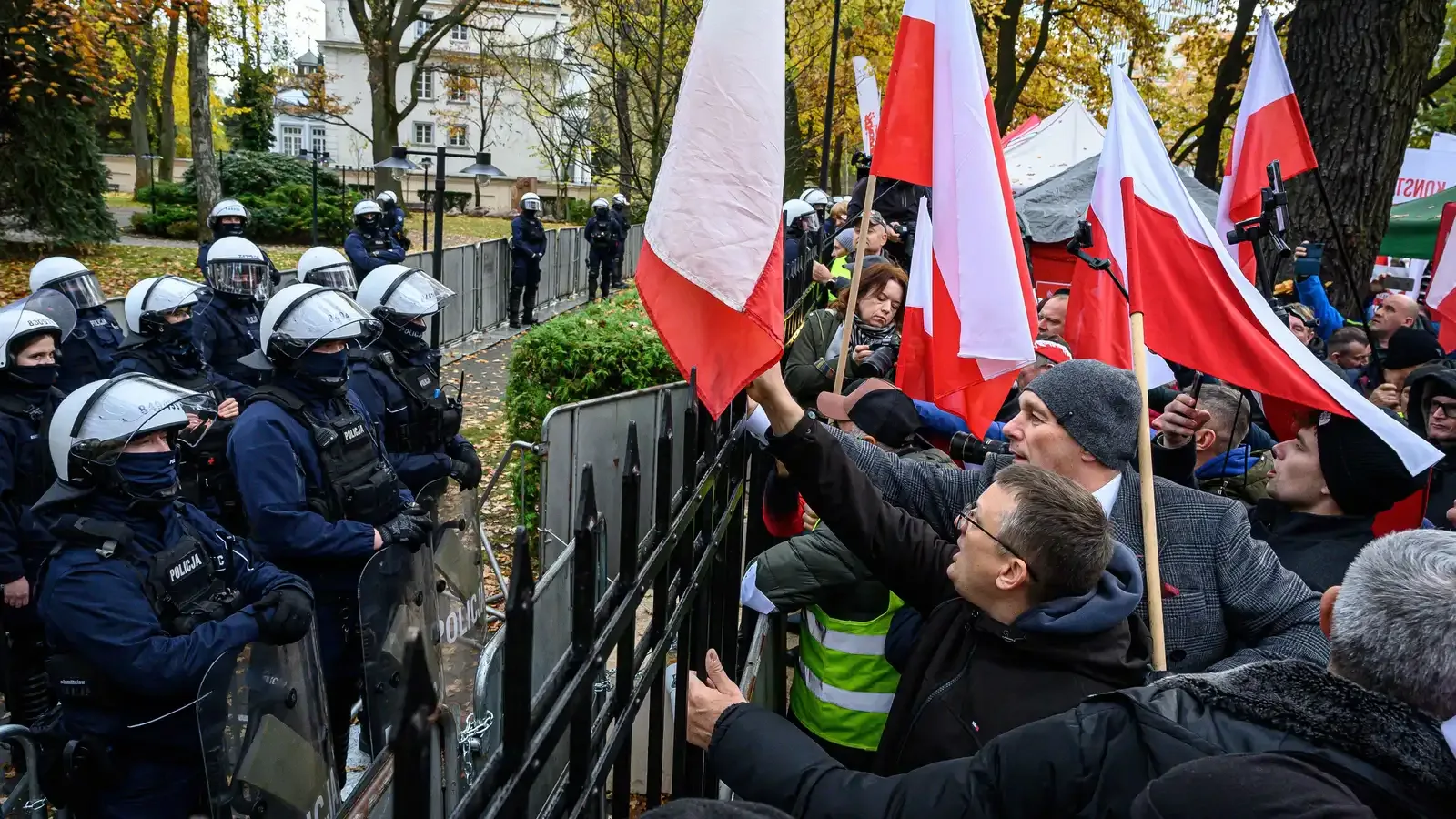
Electric Saw and Closed Chains: Behind the Scenes of the Struggle over Poland's Constitutional Tribunal
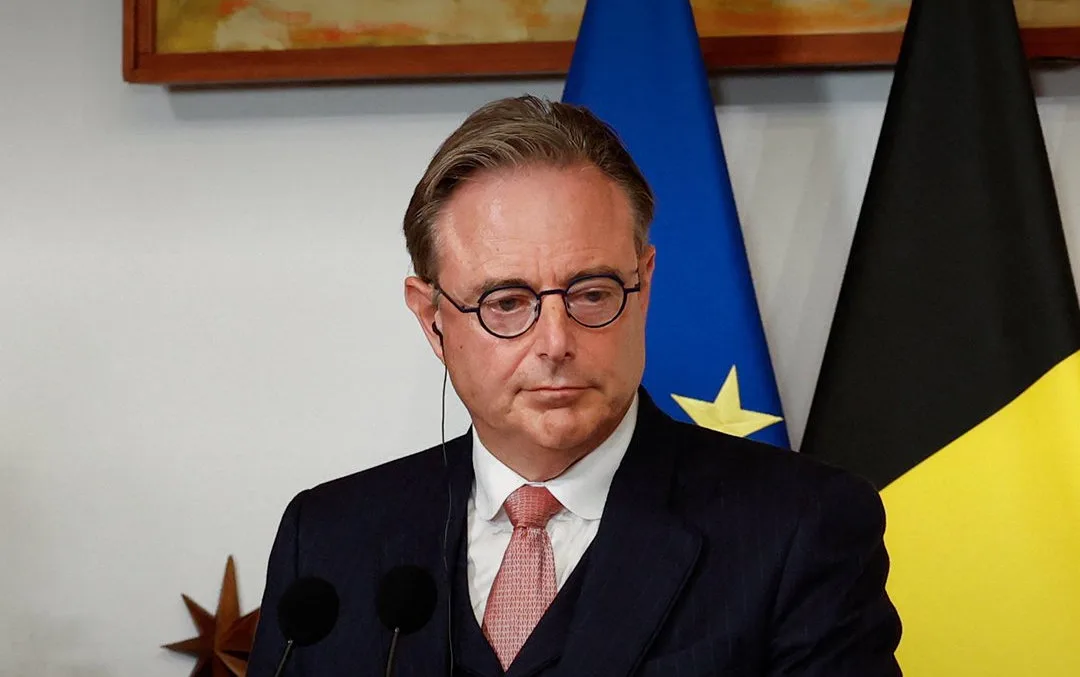
De Wever Government Resigns in Belgium Over Budget Disputes

Syrian Foreign Ministry Appoints Mizna Al-Atresh as Advisor for Peace Affairs
