Lebanon
Food Security Threatened: A Cry to the Government for an Urgent Plan!
Lebanon's General Federation of Workers' Unions president Maroun Al-Kholy blames the government for worsening living conditions, citing a 17.53% annual CPI rise in September 2026 as a serious social and economic alarm requiring immediate intervention.

Maroun Al-Kholy, head of the General Federation of Workers' Unions in Lebanon, held the government "responsible for exacerbating the collapse in living standards," stating that "the Consumer Price Index rising by 17.53% annually in September 2026, according to data from the Central Administration of Statistics, constitutes a serious social and economic warning that must not be treated as a passing statistical figure or an inevitable result of regional circumstances."
In a statement, Al-Kholy considered that "Lebanon is no longer facing a temporary wave of high prices, but rather a comprehensive crisis that drains wages, strikes purchasing power, and threatens food and social security." He pointed out that "the authority's continuation of managing the crisis through patchwork policies, without a clear rescue plan and urgent executive measures, amounts to abandoning the state's constitutional and social duties, while workers, low-income earners, and Lebanese families pay the price of the collapse from their daily sustenance."
He rejected "using regional crises as a pretext to justify price runaway," noting that "the disparity in inflation rates between Lebanon and countries in the region, including Jordan, where inflation reached approximately 2.66% according to the cited figures, imposes serious accountability regarding internal factors that worsen the crisis, foremost among them weak oversight, monopoly, lack of genuine competition, disruption of supply chains, and the ineffectiveness of economic and social policies." He affirmed that "this comparison does not negate the impact of external conditions, but it demonstrates that the scale of the Lebanese crisis requires addressing internal imbalances instead of hiding behind general justifications."
He stressed that "market freedom does not mean freedom to exploit citizens, and the role of the state is not limited to collecting taxes and fees, but includes protecting consumers, ensuring competition, combating monopoly and price manipulation, and holding violators accountable." He warned that "leaving markets without effective oversight turns citizens into the weakest link and undermines trust in the state and its institutions."
He demanded the government "declare an economic and social emergency plan, and establish an urgent plan including: activating oversight on imports, distribution, pricing, and profit margins; combating monopoly and manipulation; referring violators to the judiciary; reviewing wages and social benefits to account for inflation and cost of living; protecting the most vulnerable groups; adopting direct measures to limit the rise in costs of essential goods and services, particularly transport, education, energy, and communications; publishing periodic data on prices, profit margins, and oversight results; and defining the responsibilities of relevant authorities and holding them accountable for negligence."
He concluded: "What is required is a state that protects the citizen, not an authority that watches the collapse of their ability to live; a state that regulates the market, holds monopolists accountable, and puts in place an executable rescue plan with clear timelines. Continuing to ignore indicators and warnings is a resignation from national responsibility, leaving Lebanese people alone to face the cost of the collapse."
Latest news

Netanyahu: I Will Not Seek Trump's Green Light to Strike Iran

Draft Law Proposed to Recognize Degrees from Ukrainian Universities
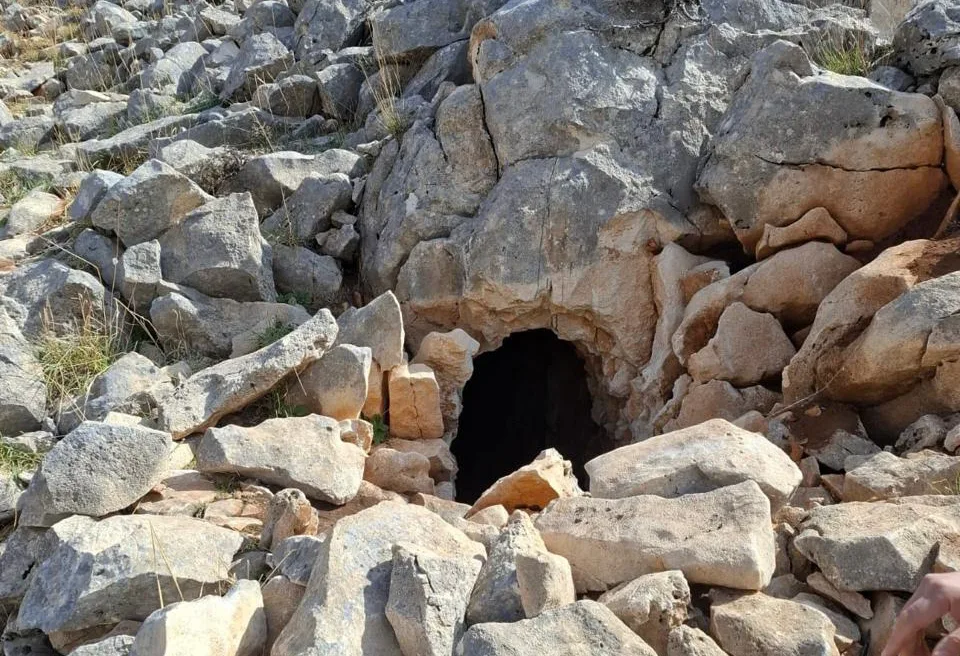
Army Discovers Old, Incomplete Tunnel in Aaqoura