Lebanon
Maki and Arabid Discuss Public Sector Reform Under State Administration Rebuilding Program 2030
Minister of State for Administrative Development Fadi Maki and ECOSOC President Charles Arbid held a consultative session on citizen rights and administrative duties, advancing the 'State Administration Rebuilding 2030' program.

A consultative session titled "The Citizen's Charter and Its Relationship with Administration: Rights and Obligations" was held at the Economic, Social and Environmental Council (ECOSOC), at the invitation of its president, Charles Arbid. The meeting took place within ongoing efforts to reform the public sector and improve government services, with the participation of Minister of State for Administrative Development Fadi Maki.
This session falls under the framework of the "Rebuilding State Administrations and Institutions 2030" program, attended by ECOSOC Vice President Saad al-Din Humaidi Saqr, Director General Muhammad Sayf al-Din, and council members.
Arbid
Following the session, Arbid noted that "Minister Maki's visit to the council is the second, occurring about a year after the launch of an initiative to complete it and review what has been achieved, and to launch the highly important topic of 'the citizen's charter and its relationship with administration.' This is because the relationship between the citizen and the administration constitutes the primary entry point for restoring trust in the state, as it is a daily relationship that should be based on facilitating transactions and ensuring citizens' access to their rights."
Arbid considered that "the plan and charter presented put this file on the right track and contribute to restoring the prestige of the administration and the state," emphasizing "the importance of guaranteeing the rights of the ordinary citizen who does not have intermediaries or entities following up on their transactions, and enabling them to obtain their rights through legal means."
Arbid pointed out that "the prevailing impression that the entire administration is unfit does not reflect reality," affirming that "it contains many competent, honest, and ethical individuals, even if their voices are not heard," and calling for "looking towards a sound administration that allows every citizen access to their rights."
Arbid confirmed "the importance of cooperation between the Economic Council and the Ministry of Development, particularly in the field of surveying citizens' opinions, which is stipulated by the council's law, and enhancing their participation in evaluating administrative performance and discussing various economic, social, and environmental issues," expressing hope that "this meeting will mark the beginning of fruitful cooperation and continuous joint initiatives."
Maki
For his part, Minister Maki indicated that "today's visit comes about a year after the launch of the initiative to rebuild state administrations and institutions (2030) from the Presidential Palace, and after the start of the first phase of consultations aimed at listening to a wide segment of citizens and representatives of various societal groups."
Maki explained that "these consultations began at the Economic, Social and Environmental Council, where citizens' demands, priorities, and impressions regarding their dealings with public administrations were heard, in addition to measuring their satisfaction levels with transactions and their trust in institutions." He noted that "the tour included approximately 15,000 citizens, through open consultations, round tables, general meetings, and an extensive national survey prepared according to modern scientific foundations."
Maki announced "an agreement to institutionalize this survey to make it periodic and annual in cooperation with the council, allowing for monitoring citizens' aspirations and their evaluation of administrative performance, identifying problems they face in their transactions, determining priorities and areas for improvement, and regularly measuring satisfaction levels."
He pointed out that "the first phase of the project to rebuild state administrations and institutions saw the launch of the 'Citizen's Charter,' which serves as a new social contract between the administration and the citizen, defining each party's rights and obligations in interactions." He clarified that "its principles are based on existing legal, legislative, and constitutional texts, but the need arose to re-highlight and clarify them to citizens, in light of the results of extensive consultations and advisories that will form the basis for the principles adopted in rebuilding state administrations and institutions."
Maki noted that he "presented the guidelines and general plan for rebuilding state administration and institutions to the Economic Committee in the House of Representatives this morning," addressing the justifications and required reforms in public administrations at the levels of governance, institutions, human resources, services, and digital transformation. He explained that "the plan includes reforms that can begin implementation immediately, while others require more time or further consultations," affirming that "the roadmap has become clear."
He considered that "among the key initiatives being worked on are organizing periodic digital and non-digital consultations and conducting surveys," indicating that "the ministry will place the charter and the survey path on its website to receive as many comments as possible."
He stressed "the necessity of involving citizens in drafting legal texts that affect their lives, and providing opportunities for them to participate and express their opinions, thereby strengthening decisions, supporting them, and protecting them."
He announced placing the new "Citizen's Charter" into circulation and publishing it on the ministry's website, aiming to receive comments and observations, identify any gaps, problems, or points needing improvement, with this process conducted in a participatory, interactive, and transparent manner between the citizen and the administration.
He affirmed that "among the key initiatives being worked on are organizing periodic digital and non-digital consultations and conducting surveys," revealing that "this citizen engagement process will be carried out in partnership with the Economic, Social and Environmental Council," noting that "the ministry will place the charter and the survey path on its website to receive as many comments as possible."
He stressed the necessity of involving citizens in drafting legal texts that affect their lives, and providing opportunities for them to participate and express their opinions, thereby strengthening decisions, supporting them, and protecting them.
Latest news

After Abu Dhabi Talks, Trump's Envoys Head to Moscow to Meet Putin
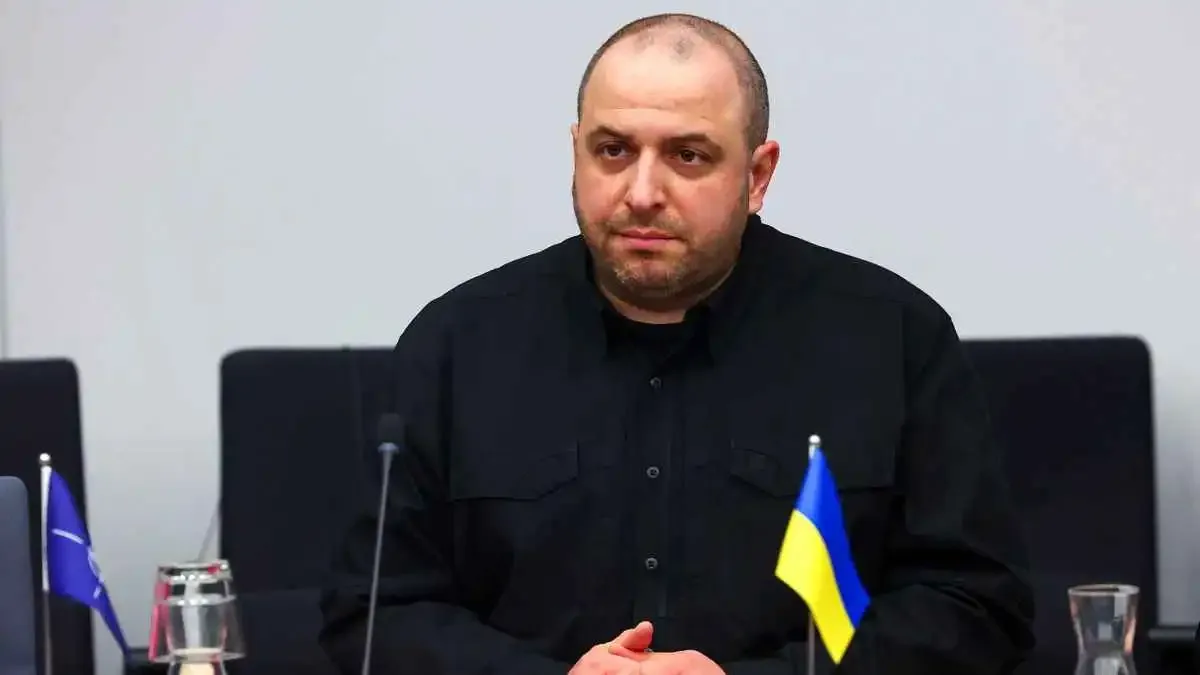
Ukraine's Chief Negotiator: Major Disagreements Remain After Abu Dhabi Talks

Russia: We Are Close to Achieving Peace After Abu Dhabi Talks