·
·


Lebanon
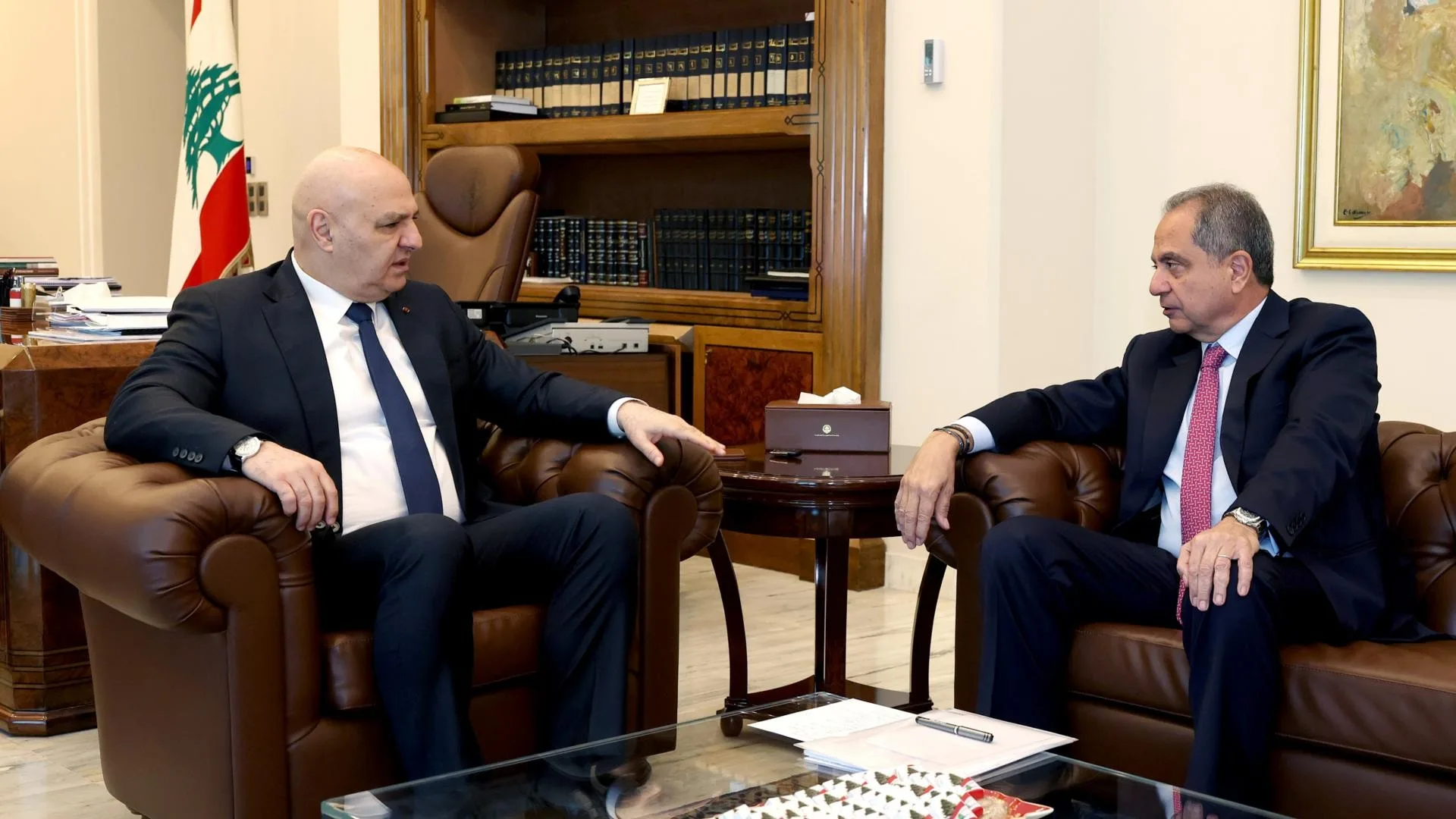
The Public Works Committee held a session to discuss fuel importation and pricing with relevant authorities, including the Energy Minister and industry representatives.

The Public Works, Transport, Energy, and Water Committee convened a meeting chaired by MP Saji Atiyeh, with MP Mohammad Khawaja as the rapporteur. Attending members included MPs Ibrahim Mneimneh, Hussein Al-Hajj Hassan, Hussein Jishti, Salim Aoun, Taha Naji, Abdul Karim Kabbara, Jamil Abboud, Melhem Touq, Abdul Aziz Al-Samad, Melhem Khalaf, Fadi Karam, Ziad Hawat, Hagop Terzian, Adnan Traboulsi, and Qassem Hashem.
Also present were Energy and Water Minister Joe Saade, Director General of the Ministry of Economy and Trade Mohammad Abu Haidar, Senior Inspector of the Warehouses Department at the General Directorate of Customs Nicola Nassar, President of the Lebanese Land Transport Unions and Syndicates Bassam Talies, Representative of the Oil Importers Association Ahmed Salim Ramadan, Syndicate Head of Fuel Stations George Al-Braxs, Fuel Distributors’ Representative Fadi Abu Shaqra, and Energy Minister’s Advisor Boutros Hadshiti.
The committee addressed the issue of oil imports and the pricing of fuels and petroleum derivatives with the involved parties, deciding to continue the discussion in a subsequent session.
Following the meeting, Atiyeh stated, “Our discussion today focused on the issue of doubled prices that have risen rapidly but decrease slowly, particularly concerning oil and its derivatives, especially gasoline and diesel. Citizens have protested that when global prices rise, local prices increase swiftly, but when global prices fall, local prices remain high. After detailed examination with direct stakeholders including distribution companies, fuel stations, importers, and with the presence of the Energy Minister to clarify why prices do not align proportionally with global oil prices, we found that there is a price for crude oil barrels and a separate price for petroleum derivatives. Although crude oil prices have decreased due to increased production following the war, production of derivatives has weakened.”
He added, “The Director General of Economy clarified that the commodity’s price includes three main components: the cost of the commodity itself, transportation, and insurance. Unfortunately, transportation and insurance costs for Lebanon remain high.”
Atiyeh continued, “We examined the pricing details closely and were surprised to find that there is an increase of about 8 to 9 dollars per gasoline canister, including value-added tax. Forty percent of this amount goes as fees to the people, resulting in approximately 550,000 [currency units] collected by the state. However, the government has not disbursed any funds to the military and employees. On behalf of colleagues and the suffering public, and recalling the promise made to the military, we urge that these seven withheld salaries be paid as soon as possible, as they were deducted and added to the public’s burden. Therefore, we call on the government to transfer these payments until a legislative session is held and the Parliament also decides on the matter.”