·
·


Lebanon
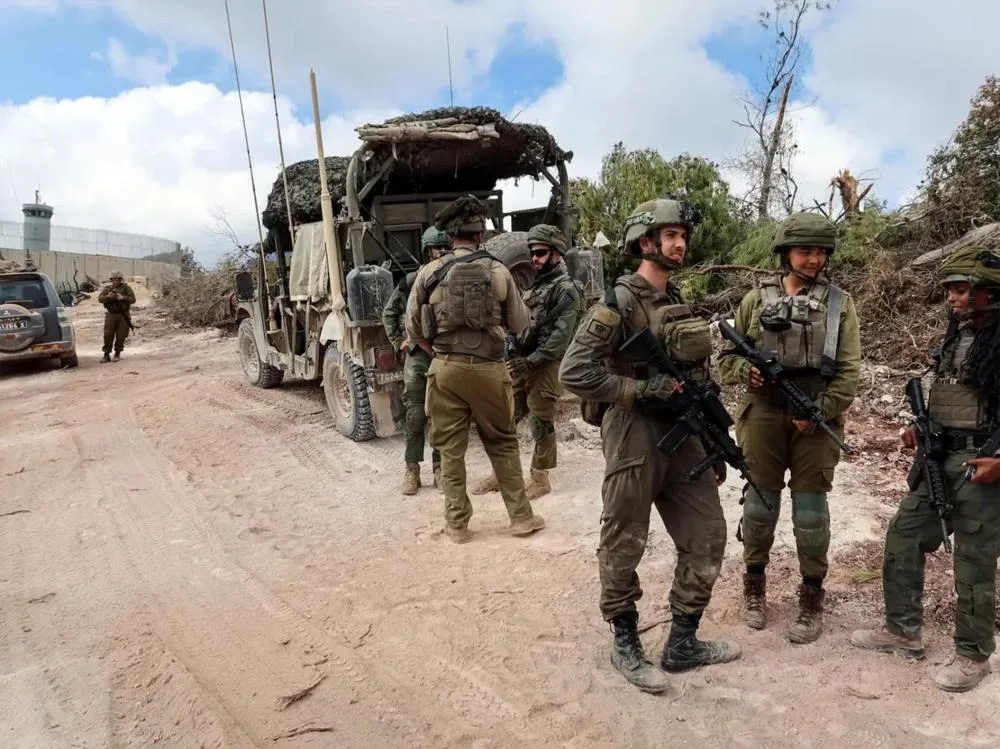
The Ali al-Taher heights in Nabatiye, southern Lebanon, have become a high-risk battleground between the Israeli military and Hezbollah, amid military secrecy surrounding covert Israeli operations within an underground fortified complex.

The Ali al-Taher heights in Nabatiye, southern Lebanon, have turned into a high-risk theater for confrontation between the Israeli army and Hezbollah, amid military secrecy surrounding covert Israeli operations within a fortified underground complex.
In contrast, Lebanese security and field sources are revealing technical and military secrets about the nature of this breach for the first time.
According to sources speaking to "Ere News," the actions carried out by Israeli special forces—specifically the Yehalom engineering units for special operations and the elite Sayeret Matkal units—at the Ali al-Taher hill go beyond conventional tactics involving bombardment or direct human infiltration.
The sources indicate that the Israeli operation relies on detecting all ventilation openings and emergency access points to the underground complex, stretching hundreds of meters, using miniature thermal drones.
Instead of fully detonating tunnels—which Tel Aviv fears could result in losing valuable intelligence assets, documents, and communication servers stored inside—the Israeli units inject incendiary chemicals and heavy non-lethal gases that gradually deplete oxygen from the underground chambers.
This tactic, according to Lebanese sources, aims to force Hezbollah fighters and Iranian Revolutionary Guard liaison officers to exit specific tunnels previously identified and pre-mined, allowing the Israeli army to capture them or track them via thermal signatures after their emergence.
Earlier Israeli reports mentioned the escape of several individuals trapped in tunnels at the Ali al-Taher hill, as Tel Aviv seeks to use these fugitives as navigational markers to destroy Hezbollah’s logistical support network in areas including Kfar Raman and Nabatiye al-Fuqaha.
Lebanese sources clarify that the targeted complex at Ali al-Taher was engineered years ago to be self-sustaining, featuring advanced oxygen recycling systems, underground wells, and silent biofuel-powered generators operating beneath the surface—making the Israeli strangulation tactic less effective than expected by the Israeli side.
On the political front, sources confirm that the U.S. is attempting through diplomatic channels to push for a framework declaring the Ali al-Taher hill a demilitarized experimental zone under the control of the Lebanese army and UNIFIL forces.
In response, Hezbollah leadership has informed official Lebanese authorities of its absolute rejection of this proposal, arguing that handing over the hill would expose Nabatiye’s flank, militarily dismantle the fortress of Shqif, and leave the Galilee Fingers region completely free from any deterrent capabilities.