·
·


Miscellaneous
Archaeologists in Croatia have discovered a sealed Roman sarcophagus dating back approximately 1,500 years, found in excellent condition beneath the ancient city of Epidaurum.

In the Croatian city of Cavtat, archaeologists have uncovered a Roman sarcophagus from the late Roman period, estimated to be around 1,500 years old. The sarcophagus is notable for remaining sealed since its burial.
The discovery occurred during excavations at the ancient cemetery of the Roman settlement Epidaurum, formerly known as the Greek Epidaurus. The sarcophagus was found well preserved and contained human remains along with other materials.
Experts date the stone artifact to between the fourth and sixth centuries AD. Helena Bokhara, the director of the excavation, described the find as one of the most significant archaeological discoveries in Croatia in recent years. Although the site revealed numerous graves, this Salona-style sarcophagus attracted the greatest attention.
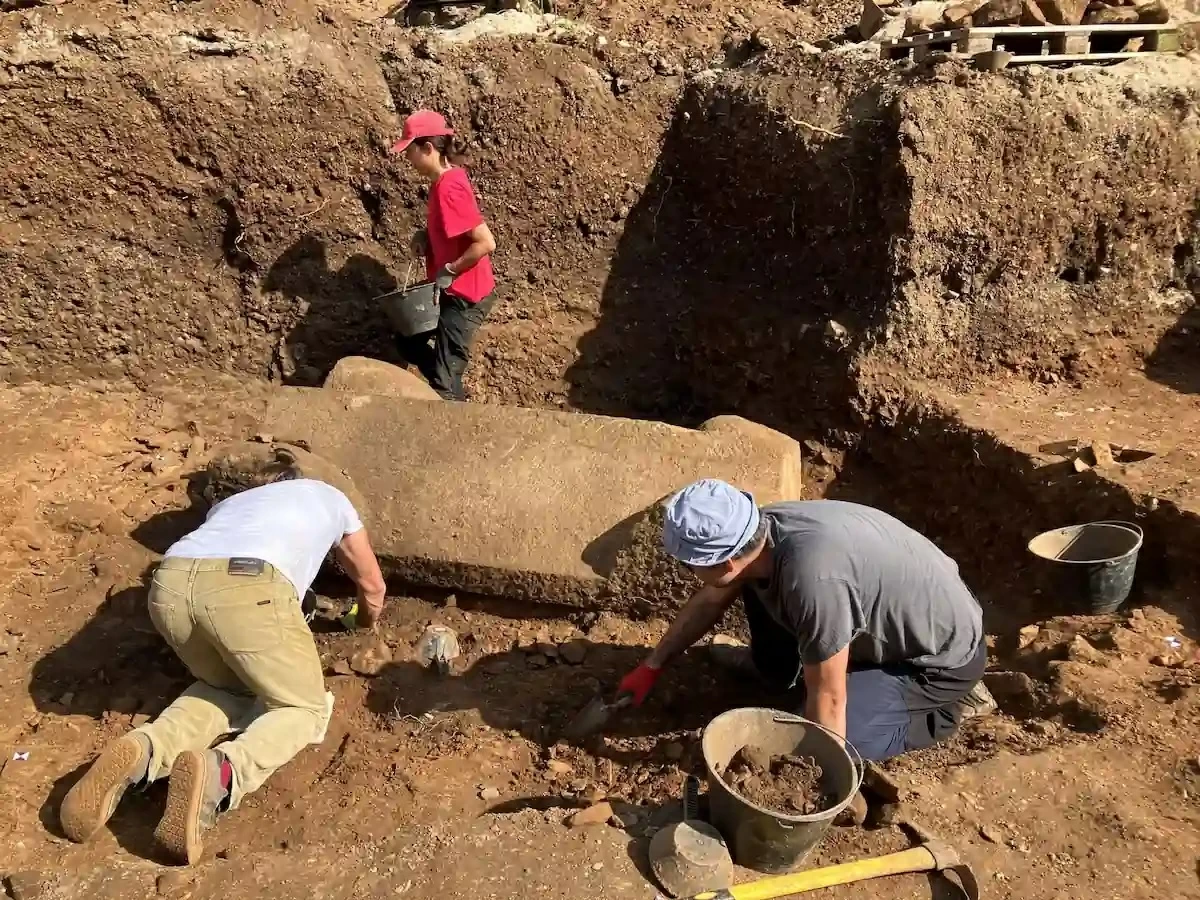
The sarcophagus was located three meters below ground level, sealed and intact. Traces of ancient limestone plaster remain visible between the heavy lid and the stone box. Archaeologists confirm that the tomb has remained closed since its original burial. The sarcophagus weighs approximately five tons.
Inside the sarcophagus, researchers found human skeletal remains. Despite their poor condition, organic deposits and other materials were identified. All these items will be sent to laboratories for detailed analysis, which is expected to provide insights into burial customs and daily life of the region's inhabitants during the late Roman era.