

Miscellaneous
Shocking Secrets Behind the Death of 11 People in One Home!
In a baffling tragedy, eleven members of one family were found dead inside their home in Delhi's Burari neighborhood on July 1, 2018.

In a baffling tragedy, eleven members of one family were found dead inside their home in the Burari neighborhood of New Delhi on the night of July 1, 2018.
The list of victims included three generations: the grandmother, her daughter, two sons and their wives, and five grandchildren. The deceased belonged to the Chundawat family, also known as the Bhatia family, who lived in a three-story house in North Delhi's Burari area. The family owned a shop and had a good reputation in the region. The case caused widespread sensation due to the mysterious circumstances surrounding it and suspicions of a link to occult practices and rituals.
The bodies were discovered that morning when a neighbor came to the shop to buy milk. Finding the shop closed, he went upstairs to face a horrifying scene where he found ten family members hanging in the main room of the house. Their eyes and mouths were covered with pieces of cloth, and their hands were tied behind their backs. The bodies were suspended in a circular shape, arranged, according to one theory, to mimic the aerial roots of a banyan tree. The eleventh body, that of the grandmother Narayan Devi, was lying on the floor in an adjacent room. Forensic experts concluded that the grandmother was strangled to death.
All the deceased had their eyes blindfolded, ears plugged, and mouths covered with adhesive tape, while most had their hands and feet tied. The only living creature found in the house was a dog, which was found tied up on the roof of the building.
During the investigation, eleven diaries belonging to Lalit, one of the sons, who was responsible for leading the family, were found; they had been written over eleven years. The notes contained entries of an occult nature, including a description of a ritual called Havan, believed to have been performed shortly before the deaths occurred. The diaries also included detailed instructions on how a person could tie their own hands behind their back. According to these notes, the purpose of the ritual was to achieve salvation. Strikingly, these blogs were written by Lalit, who believed that his late father's spirit had possessed him and was giving him instructions.
Police initially investigated the case as a murder, but after examining the evidence, the hypothesis of a pre-agreed mass suicide was favored. Investigators and psychiatric experts concluded that the motive was "folie à plusieurs" or shared delusion; a condition in which one person implants a distorted view of the world into the minds of others, and Lalit was that person in this tragedy. It is worth noting that several experts suggested that none of the deceased intended to die; rather, the deaths were an unexpected result of a ritual that did not go as planned.
Relatives of the deceased strongly rejected the suicide hypothesis, insisting that the family would not commit such an act, and demanded a thorough investigation believing it was a murder case. Ultimately, Delhi police concluded that it was not merely a ritual, but a mass suicide resulting from "shared psychotic disorder," a rare psychological condition in which two or more people share the same bizarre delusional beliefs. According to this theory, Lalit, who may have suffered from mental illness, succeeded in convincing the rest of the family members of the necessity of carrying out this act, and everyone, including the children, voluntarily participated in those "rituals," believing they would attain salvation.
The Burari tragedy remains one of the most mysterious and shocking criminal cases in modern India, sparking wide debate and discussion about the nature of collective psychology and beliefs.
According to the reconstruction of events, things unfolded as follows: at 10 PM, Bhavesh's wife and daughter brought plastic chairs into the house. Then, at 10:15 PM, the boys brought wires from Lalit's shop.
After performing the Hindu religious Havan ritual, the family requested a dinner of chapati bread to be delivered to them. Around 1 AM, eight family members covered their eyes and plugged their mouths, then stood on the chairs to hang themselves. Subsequently, Lalit and his wife Tina took their own lives.
In October 2021, the police closed the case file, having found no evidence indicating criminal intent or foul play. Ownership of the Chundawat family house passed to the eldest son, Dinesh, who removed eleven pipes from the wall to put an end to the wave of rumors.
These pipes were a puzzling mystery; their openings protruded strangely from the exterior wall of the house. Some initially thought they were for ventilation or perhaps to improve lighting, but experts ruled out these possibilities, leaving only one terrifying explanation: they were placed in the wall so that the souls of the eleven family members could ascend through them to heaven.
Latest news
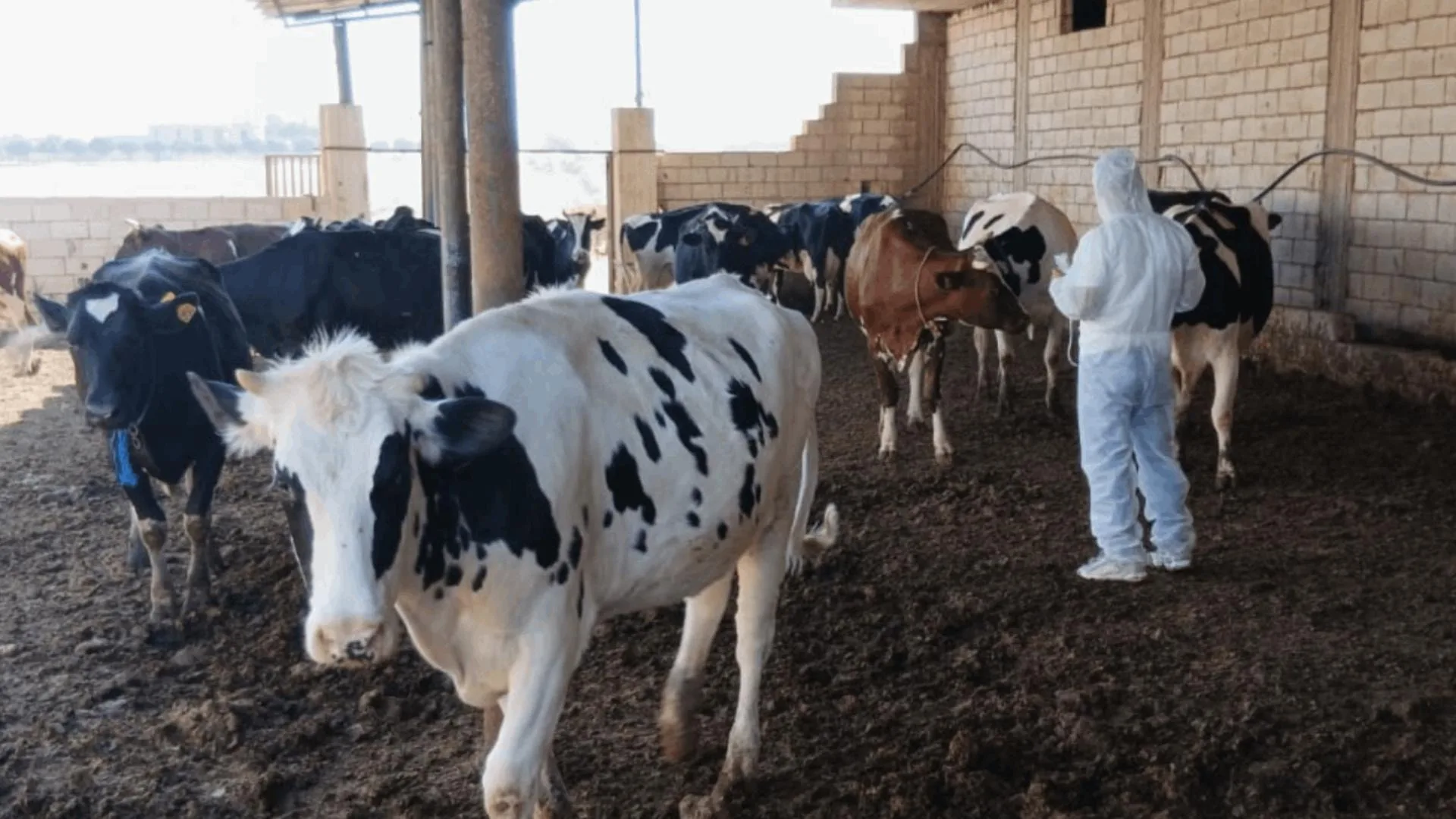
Ministry of Agriculture: Over 60,000 Cows Vaccinated Against Foot-and-Mouth Disease

Brooks Nader Recreates Pamela Anderson’s 1995 Cannes Look for Baywatch

Russia shoots down 94 drones bound for Moscow
