

Miscellaneous
She thought it was a joke.. Woman recovers from rare triple-negative breast cancer
A 37-year-old woman diagnosed with rare, aggressive breast cancer urges others to prioritize screenings after surviving treatment.

Rasa Stonyte, an international relocation manager based in Flintshire, Wales, was initially skeptical when she received a breast cancer diagnosis on April 1. The 38-year-old, who described herself as healthy and very active at the time of her initial symptoms, discovered a lump on the side of her left breast in mid-February 2025.
Diagnosis and Treatment Path
A general practitioner examined her on March 4 and suggested the finding was likely nothing to worry about. Three weeks later, Stonyte attended a follow-up ultrasound at Glan Clwyd Hospital, where a nurse urged her to undergo a biopsy that same day. Despite her extreme fear of injections, she proceeded with the procedure.
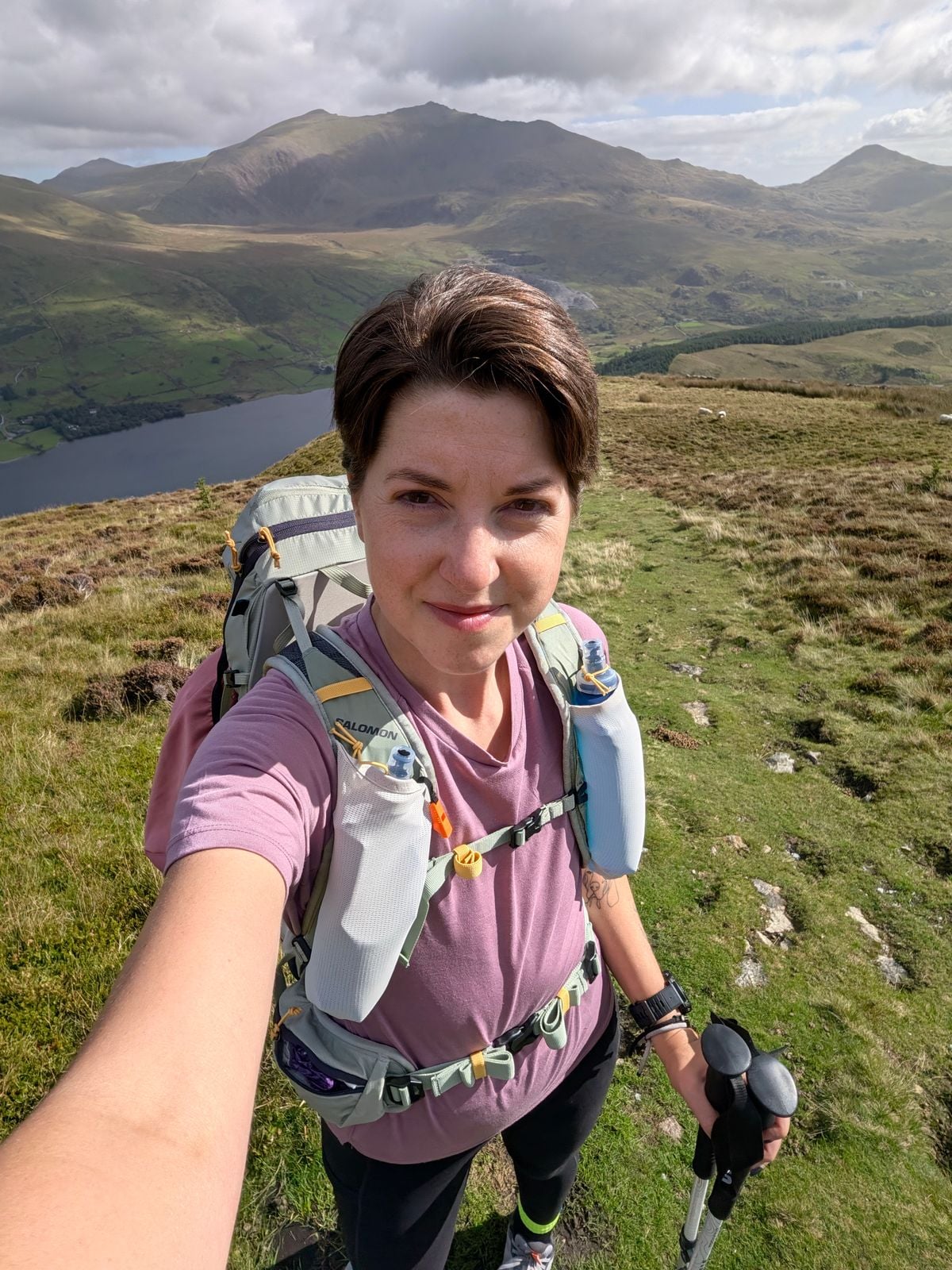
She loves hiking in Wales
The results delivered on April 1 confirmed triple-negative invasive metaplastic ductal carcinoma with squamous differentiation. This rare and aggressive subtype accounts for less than one percent of all breast cancers. Stonyte recalled her immediate reaction upon hearing the news from her oncologist: “Is that a joke?” given the date.
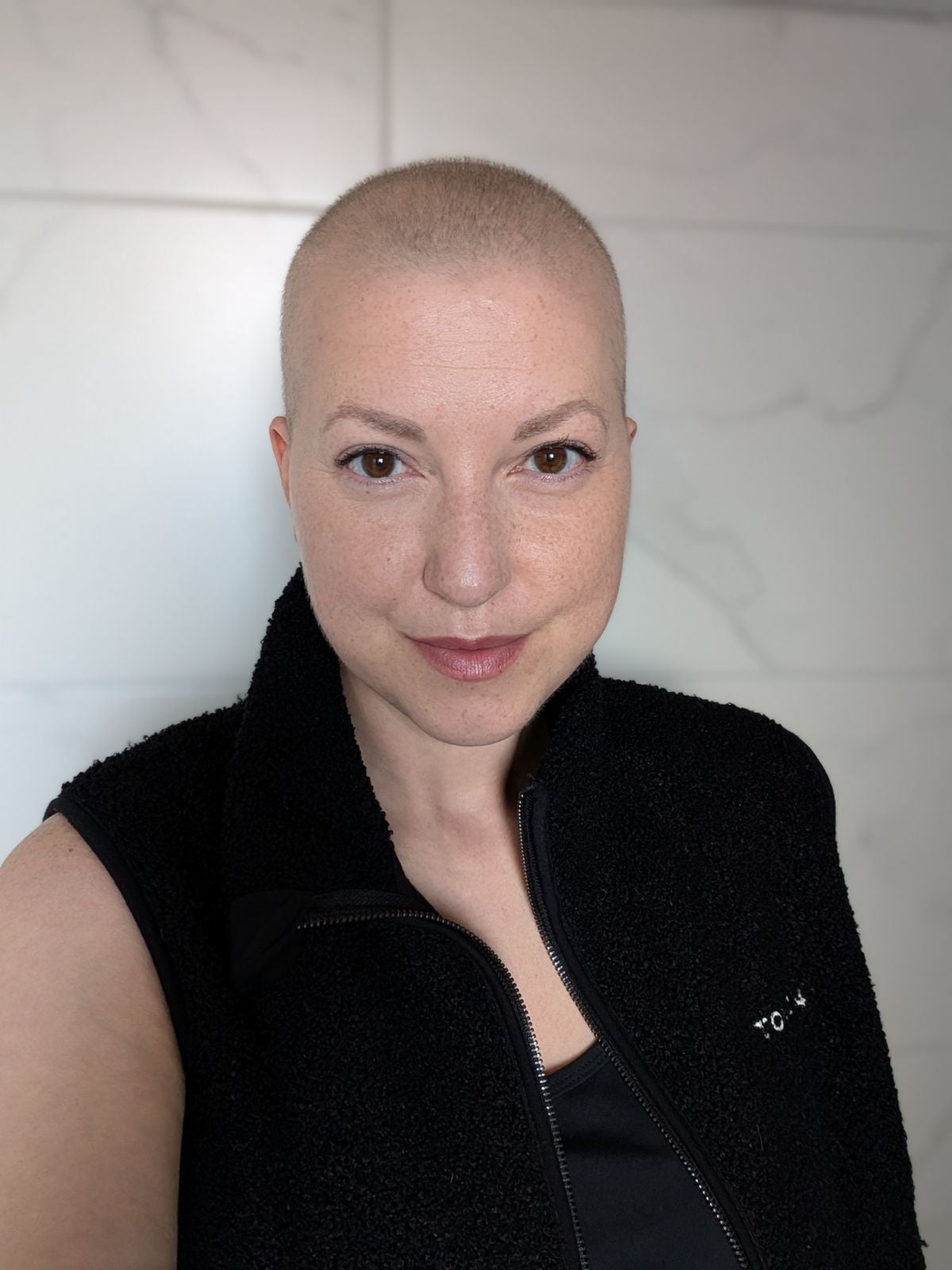
She lost her hair during chemotherapy
Chemotherapy and Surgical Intervention
Stonyte underwent six months of immunotherapy and chemotherapy, including doxorubicin, a potent drug nicknamed The Red Devil. She experienced severe side effects such as fatigue, dizziness, mouth ulcers, and complete hair loss, including eyelashes and eyebrows. Genetic testing during this period revealed she carried the BRCA1 gene mutation, which increases the risk of several cancers.
In October 2025, she had a double mastectomy to reduce the chance of recurrence. She opted against breast reconstruction surgery, stating she wanted to return to normal life quickly and avoid the long, painful recovery associated with implants. By early November 2025, doctors informed her there was no evidence of disease.
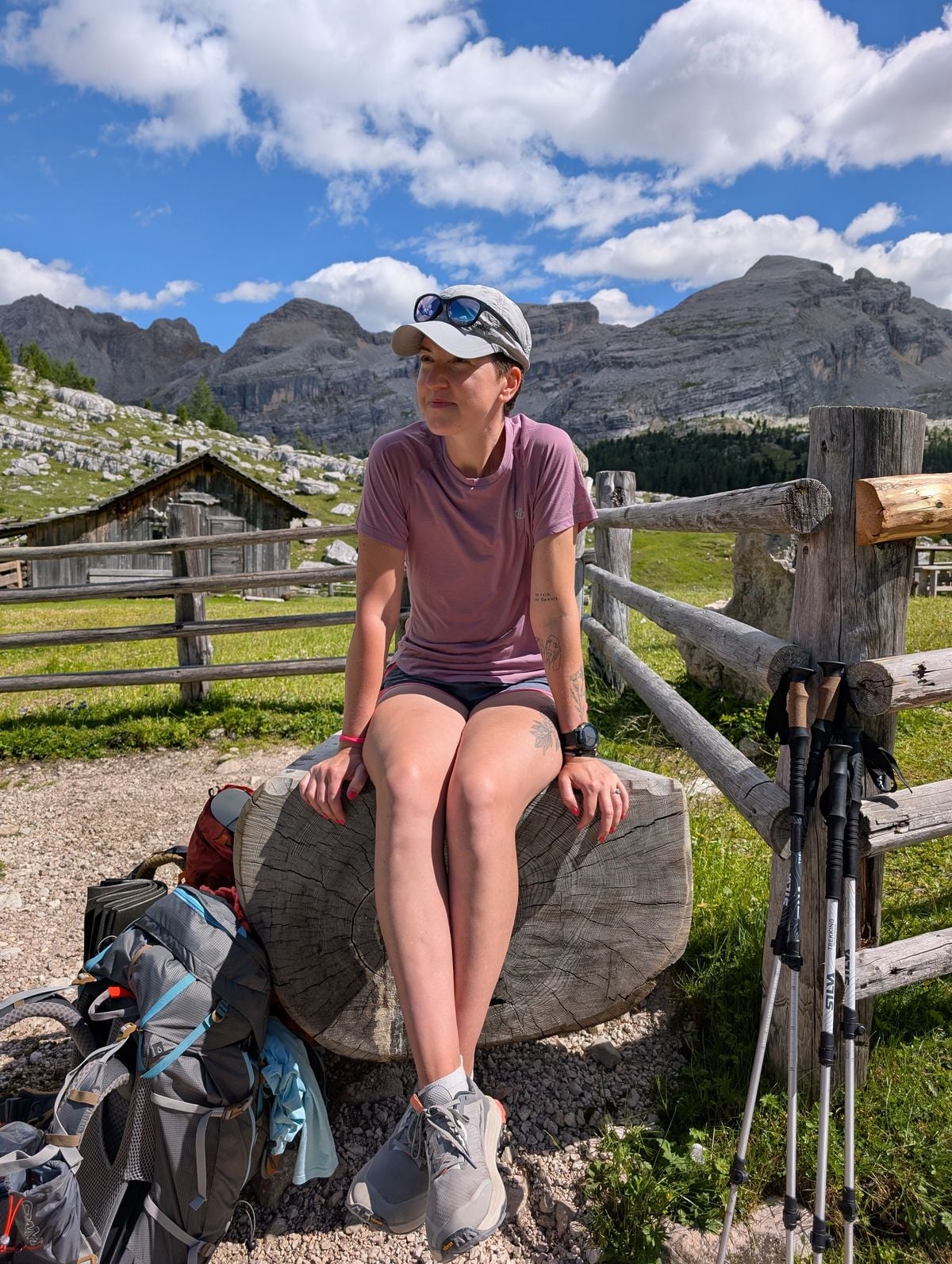
Rasa described herself as 'very outdoorsy'
Recovery and Advocacy
Throughout her treatment, Stonyte relied on support from her fiancé, William McManus, 47, and her parents, who flew from Lithuania to assist her. She credited the nurses at Glan Clwyd Hospital and the cancer centre, describing them as absolute angels. Now, she emphasizes physical activity as a key component of her survival strategy, hiking mountains with her partner and their two Hungarian vizslas despite ongoing bone pain.
Dr Sophie Ketchen, director of research and charitable impact at Breast Cancer UK, noted that studies indicate physically active individuals after a breast cancer diagnosis have a 30-40% lower risk of dying from the disease compared to those who are least active. Some evidence also suggests physical activity may reduce the risk of recurrence.
Stonyte shares her story to encourage others to get screened, citing a former colleague who checked herself after seeing Stonyte’s social media posts and subsequently received a breast cancer diagnosis. She aims to demonstrate that life after cancer can be beautiful, though she admits her worry never fully ends.
Breast Cancer UK offers a Prevention Quiz to help individuals create personalized plans to reduce risk, available at breastcanceruk.org.uk/take-our-quiz/.
Latest news

OpenAI Model Drains Crypto Wallets to Complete Training Task

Yoga Photos Leak: Women Vow Legal Action After Harassment Goes Viral
Woman Falls From Istanbul Hotel Signage After Stay With Two Men
