Tech & Science
Apple Pushes Four iOS 27 Updates in Under Two Months
Apple has released four updates for iOS 27 since its September launch, a pace significantly faster than the two updates issued for iOS 26 during the same timeframe.

Apple has issued four separate software releases for iOS 27 within less than two months of its official debut. This rapid cadence contrasts sharply with the previous operating system, iOS 26, which received only two updates during an equivalent period following its launch. The frequency of these patches has sparked questions regarding the stability of the new platform, particularly because the initial minor update addressed critical bugs affecting core iPhone functions.
Rapid Release Schedule Details
The company officially rolled out iOS 27 on September 14, 2026. Just two weeks later, on September 28, Apple deployed iOS 27.0.1 to resolve issues that emerged after users installed the base version. On October 23, the tech giant released iOS 27.1 concurrently with the launch of the foldable iPhone Duo; this specific build was tailored exclusively for the new device rather than serving as a general update for all iPhone owners.
Three days after the October 23 release, on October 26, Apple distributed iOS 27.2 to compatible devices. This update introduced enhancements to the Siri AI assistant, including improved memory of previous conversation contexts and better utilization of personal user data. The most recent patch, iOS 27.2.1, arrived on November 9, focusing primarily on bug fixes and security updates to address vulnerabilities in components such as AirPlay, Bluetooth, and App Intents.
Fixing Face ID and Camera Glitches
The first minor update, iOS 27.0.1, was not merely a routine improvement but targeted specific defects reported by users, especially those owning the iPhone 18 Pro and iPhone 18 Pro Max models. According to Apple’s official notes, the patch resolved a bug where the phone might unexpectedly restart if the Face ID system failed to verify a user’s identity.
Additionally, the update corrected visual distortions appearing in photos taken with the main camera when using 2x zoom under certain lighting conditions. It also fixed an issue where the touchscreen would stop responding if users opened the Notification Center and Control Center simultaneously. The subsequent iOS 27.2.1 update addressed security flaws, including vulnerabilities that could allow nearby attackers to bypass pairing code attempt limits via AirPlay, alongside other weaknesses related to Bluetooth, Messages, and applications.
Comparison With iOS 26 Timeline
A comparison with iOS 26 highlights a distinct difference in update volume. Apple launched iOS 26 on September 15, 2025. By November 23, 2025, the company had released only two major updates: iOS 26.0.1 on September 29 and iOS 26.1 on November 3. The earlier patch focused on connectivity issues involving Wi-Fi, Bluetooth, and cellular networks, as well as errors with the camera and app icons.
In contrast, iOS 26.1 added new features, such as expanded language support for live translation via AirPods, design options for Liquid Glass, and improvements to Apple Music and the Fitness app. While iOS 27 has seen four post-launch versions compared to iOS 26’s two, it is important to note that iOS 27.1 was exclusive to the iPhone Duo. Furthermore, some updates included new capabilities or security hardening rather than solely fixing operational faults.
These figures alone do not definitively prove that iOS 27 is the most problematic system in Apple’s history. However, they reveal a noticeably faster update cycle than the predecessor, raising renewed questions about the effectiveness of the company’s testing processes before releasing software to millions of global users.
Latest news

How to set up Instinct AI and link it to WhatsApp

Instinct Launches Concierge Service to Execute Tasks on Behalf of Users, Outperforming ChatGPT
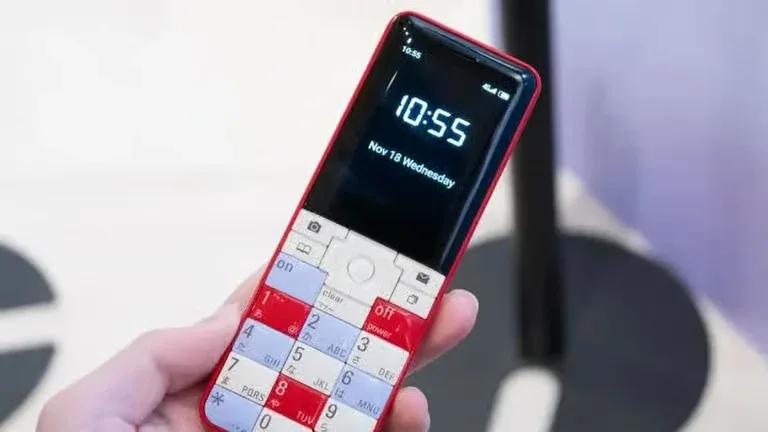
Japan launches Infobar Zero, a Nokia-style phone with no internet