·
·


Tech & Science
Cornell researchers document the first cases of Marfan syndrome in domestic cats, Gary and Shaggy, identifying genetic mutations similar to those in humans.

Gary and Shaggy, two cat siblings, have become the subject of a medical breakthrough after being diagnosed with the first documented instances of Marfan syndrome in domestic felines. The condition, which primarily affects connective tissues, was previously unknown in cats until these specific cases were identified by researchers at Cornell University.
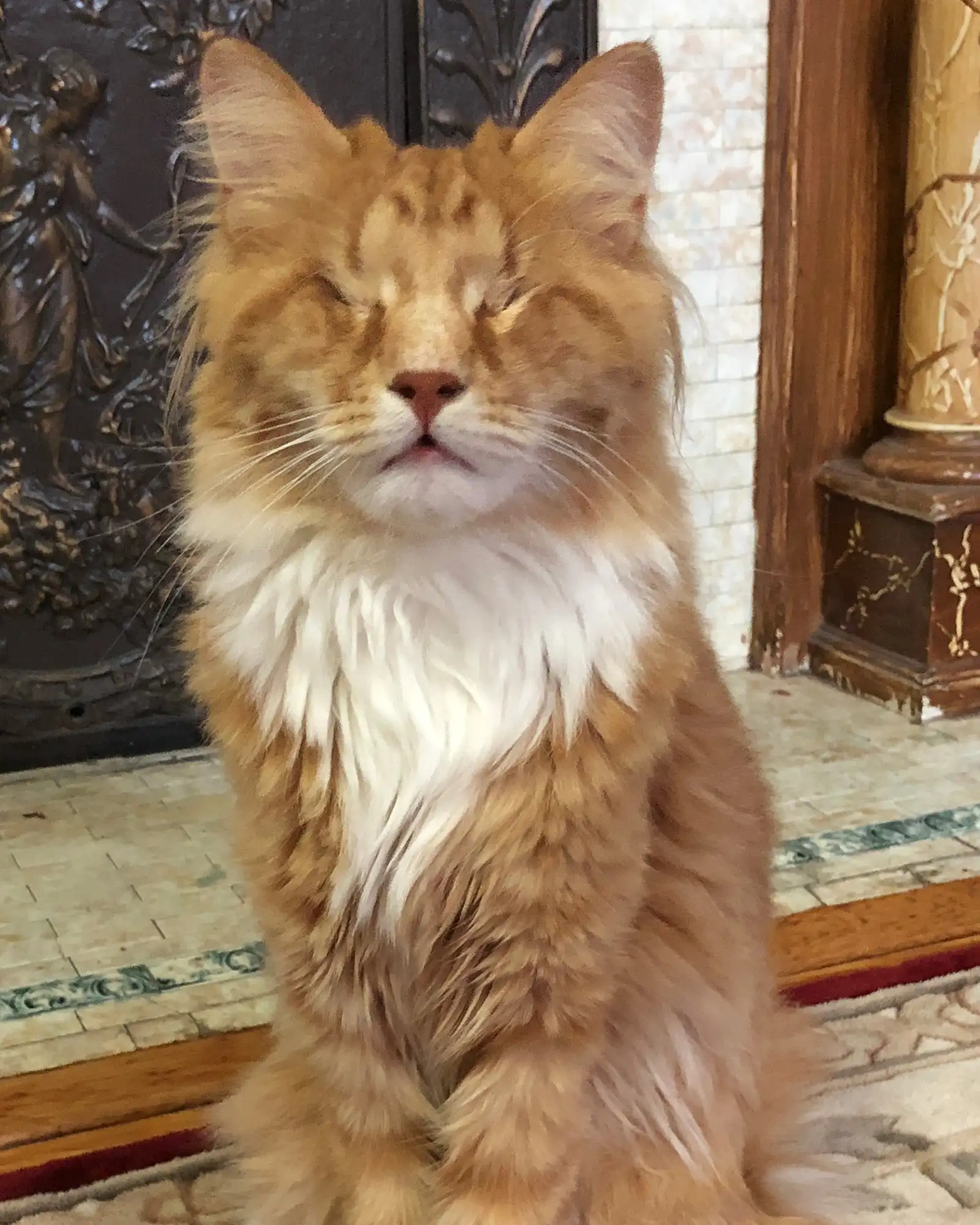
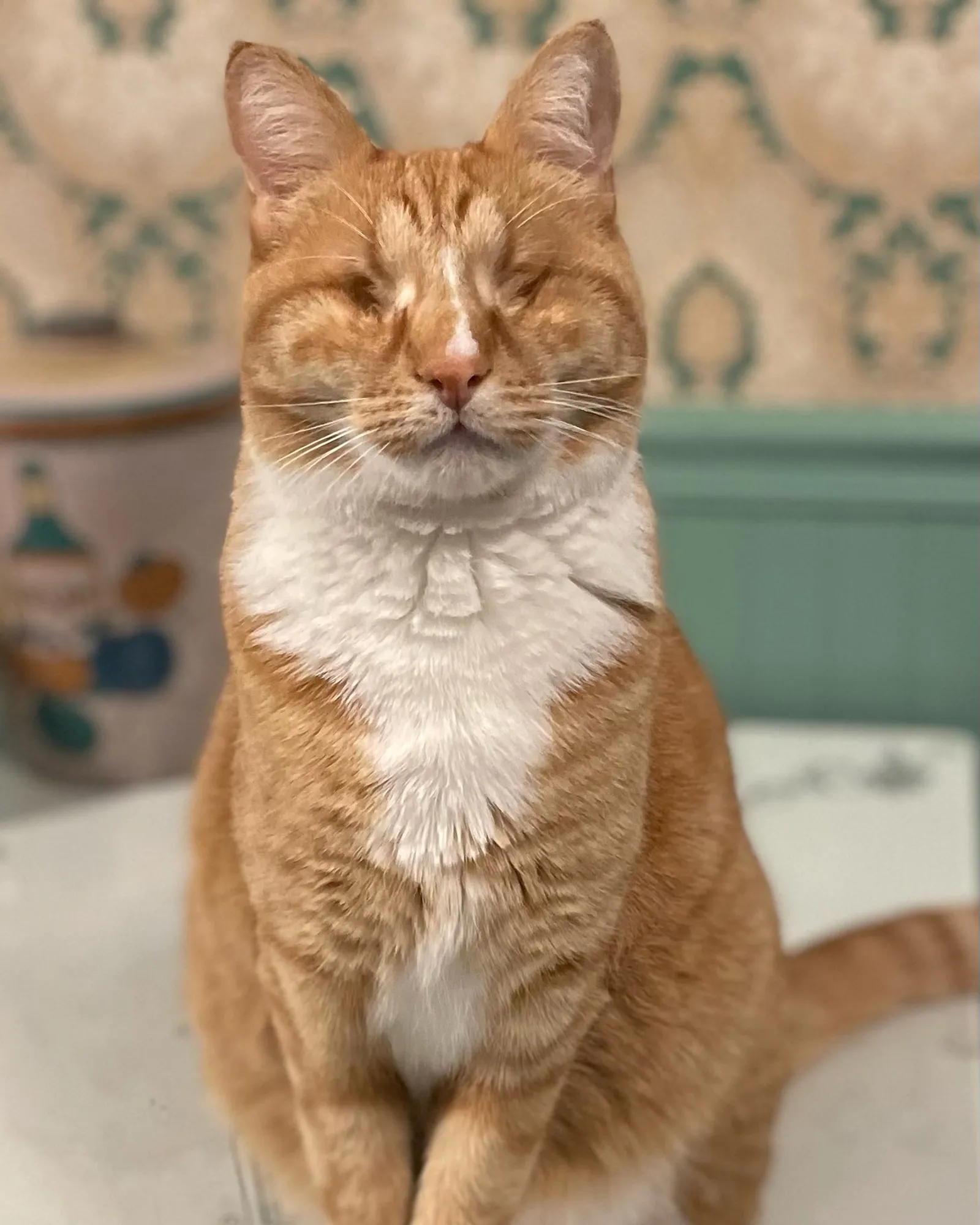
The owners of the kittens initially observed that their limbs appeared unusually long compared to typical development. As the cats matured, veterinary examinations revealed further complications, including eye abnormalities and an enlarged aorta. This specific combination of symptoms prompted the medical team to conduct tests for the genetic disorder.
Marfan syndrome is widely recognized in human medicine, affecting approximately one in 4,000 people. According to the Mayo Clinic, individuals with the condition often present as tall and slender, exhibiting elongated arms, legs, fingers, and toes. Additional human symptoms can include extreme nearsightedness, crowded teeth, and spinal curvature.
A study published on Saturday, Sept. 19 in Scientific Reports detailed the investigation into the feline brothers' condition. Researchers from Cornell’s College of Veterinary Medicine and the Baker Institute for Animal Health collaborated with experts from Ghent University, the University of Pennsylvania, and the Schwarzman Animal Medical Center in New York City.
The team utilized clinical exams alongside genetic sequencing to identify changes in the FBN1 gene. This gene produces fibrillin-1, a protein essential for connective tissue structure. Analysis showed that both Gary and Shaggy carried two altered copies of the gene, inheriting one from each parent.
This genetic profile distinguishes the feline cases from the typical human presentation. In humans, a single altered copy of FBN1 is usually sufficient to cause Marfan syndrome, whereas possessing two altered copies is exceptionally rare. Dr. Jacquelyn Evans, the study’s senior author and an assistant professor in Cornell’s Department of Biomedical Sciences and Baker Institute for Animal Health, noted the significance of this distinction.
"The findings provide a foundation for improved veterinary diagnostics," Evans stated in a press release issued Tuesday, Sept. 22. She added that the discovery could assist veterinarians in recognizing similar cases in the future and may facilitate the development of genetic tests.
Evans emphasized the value of pet owner involvement in scientific progress. "This discovery is a great example of how pet parents can collaborate with veterinary and genetic experts to learn something that could help other animals in the future," she said. She also highlighted that the work demonstrates the comparative approach central to research at the Baker Institute for Animal Health.