

World
International Meeting to Regulate Use of 'Killer Robots' Amid US-Russian Opposition
UN member states meet in Geneva to establish binding rules for autonomous weapons, facing opposition from the US, Russia, and Israel.

UN member states are meeting in Geneva to discuss establishing binding rules to regulate autonomous weapons, often described as "killer robots," amid concerns over their expanding use on battlefields. The United States, Russia, and Israel have expressed opposition to these negotiations.
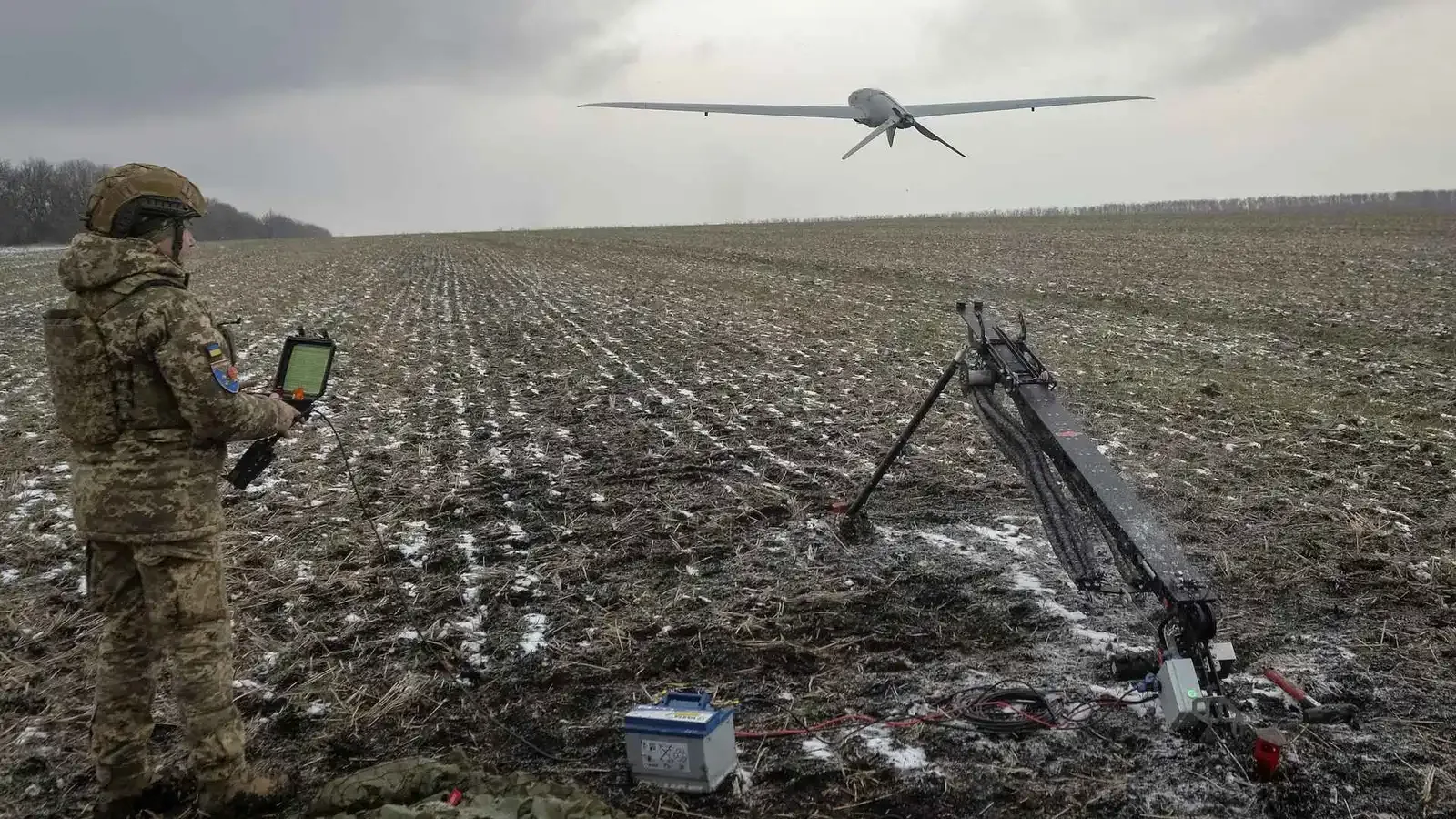
The rapid advancement of artificial intelligence has accelerated the development of drones, robots, tanks, submarines, and other military equipment capable of killing without human intervention. Semi-autonomous AI-powered weapons are already being used in several regions, including during Israel's war on Gaza, as well as in the wars in Ukraine and Iran, raising growing concerns about their deployment.
The meeting, hosted by the UN starting Monday, is expected to decide whether to begin negotiations on a legally binding agreement addressing the ban and regulation of lethal autonomous weapon systems.
Leaders at the UN and the International Committee of the Red Cross, along with the Pope, have warned of the risks posed by autonomous weapons and called for controls on their use.
US-Russian-Israeli Opposition
While the majority of the 128 states parties to the Convention on Certain Conventional Weapons support beginning negotiations, major military powers, including the United States, Russia, and Israel, oppose them, arguing that existing international humanitarian law provides an adequate framework for dealing with these weapons.
Two diplomats told Reuters that discussions appear difficult, but noted that countries could build bridges to reach a compromise by the end of the week.
One added that all options are on the table, ranging from legally binding agreements to non-binding ones, as well as a hybrid agreement combining both elements.
Ana Hehir, head of military AI governance at the Future of Life Institute, a US-based nonprofit focused on reducing risks from advanced technologies including AI, stated that autonomous weapons are no longer science fiction, citing media reports on the early use of fully autonomous systems in Ukraine.
The United States prefers guidelines over binding rules regarding autonomous weapons, arguing that international law already provides a framework for regulating warfare. It proposed a five-year mandate for talks aimed at reaching a non-binding agreement.
In contrast, the International Committee of the Red Cross says that humanitarian law does not adequately address the specific risks posed by autonomous weapons.
Russia had not publicly announced its position before the start of negotiations, but it has previously opposed proposals for a legally binding agreement. A senior Western diplomat told Reuters that Moscow intends to prevent the European Union, which participates as an observer in the talks, from taking the floor.
Hehir noted that the US and Russia will likely seek to water down any outcomes of the talks, as they did last September regarding text concerning autonomous weapons and their potential harm.
The chair of this week's talks proposed a two-year mandate to negotiate a legally binding protocol.
Latest news

Estonia Plans to Close Border with Russia After Accusing Moscow of Orchestrating Sabotage Attempt

Eisenkot: Netanyahu Cannot Remain in Power for 'One More Minute'
Moscow: 139 Ukrainian Drones Intercepted Ahead of Shenzhen Trilateral Summit