World
Israeli Elections: No Clear Winner, Government Formation Race May Last Weeks
Israeli elections ended without a clear winner as vote counting continues, with results showing a tight race between Netanyahu's bloc and the opposition led by Gadi Eisenkot.

Israeli elections did not produce a clear winner as vote counting continued on Wednesday, amid close results between the bloc led by Prime Minister Benjamin Netanyahu and the opposition coalition led by Gadi Eisenkot; this foreshadows weeks of complex political negotiations to determine the shape of the next government.
The elections, held on Tuesday, saw the highest turnout in a generation, with wide interest in their results as a referendum on Netanyahu's far-right government, according to "The New York Times".
Exit polls showed a convergence between the two camps, with neither having enough seats to form a government alone.
However, these polls remain prone to inaccuracy, according to their record in previous Israeli elections.
Despite the lack of a decisive outcome, the two main candidates rushed to deliver speeches to their supporters late at night.
Eisenkot, former Chief of Staff of the Israeli Army, said the public chose change, referring to initial results. In contrast, Netanyahu announced that the Likud party had become the largest party in Israel, emphasizing the need to form a strong right-wing government.
Most votes were expected to be counted by Wednesday, but announcing final results may take days, especially given hundreds of thousands of votes cast in special polling stations, including military bases, hospitals, prisons, and embassies. More than 48% of votes were counted in the early hours of Wednesday morning, while the counting of votes from soldiers and diplomats abroad and other voter categories is expected to continue until Thursday.
Arab parties at the heart of calculations
Among the most prominent election results was the strong performance of two major Arab parties, namely the United Arab List, known as "Ra'am", and the left-wing Joint List.
Israeli broadcast station polls indicate they may win a large number of seats, potentially totaling 19 seats in the 120-member Knesset.
This performance could grant the two parties an influential role in government formation negotiations, especially since both camps may need their support to reach the required majority. However, Netanyahu effectively excluded adding Arab parties to his coalition, while Eisenkot and his partners expressed reservations about this option.
Forming a government usually requires the support of at least 61 members, but Eisenkot raised the possibility of forming a minority government.
Some analysts are also considering the possibility of forming a national unity government including Netanyahu and Eisenkot or other opposition figures, but this scenario faces significant obstacles, most notably agreeing on the identity of the prime minister.
Re-election remains one of the options if parties fail to reach an agreement on a governing coalition.
The President's role and fears of military escalation
The role of Israeli President Isaac Herzog stands out in the coming phase; after the elections, he listens to recommendations from party leaders regarding who should be tasked with forming the government.
This comes after distributing Knesset seats among parties based on their vote share, placing Herzog before a difficult decision given the closeness of the two camps.
In the security context, Eisenkot warned Netanyahu against exploiting his position as head of a caretaker government for political purposes, following reports that the Prime Minister is urging new attacks on Iran. He stated in his post-election speech that Israel's security must not be used to achieve political goals.
These elections also come amid economic concerns raised by Netanyahu before the vote, after he spoke about the possibility of international sanctions on Israeli banks, and pointed to the need to prepare for the potential end of annual US aid worth billions of dollars, calling for an alternative economy research based on cryptocurrencies.
While the vote counting process continues, the future of the Israeli government remains suspended on the final results and the ability of parties to build a coalition ensuring a majority, in a scene that may prolong political uncertainty for weeks.
Latest news
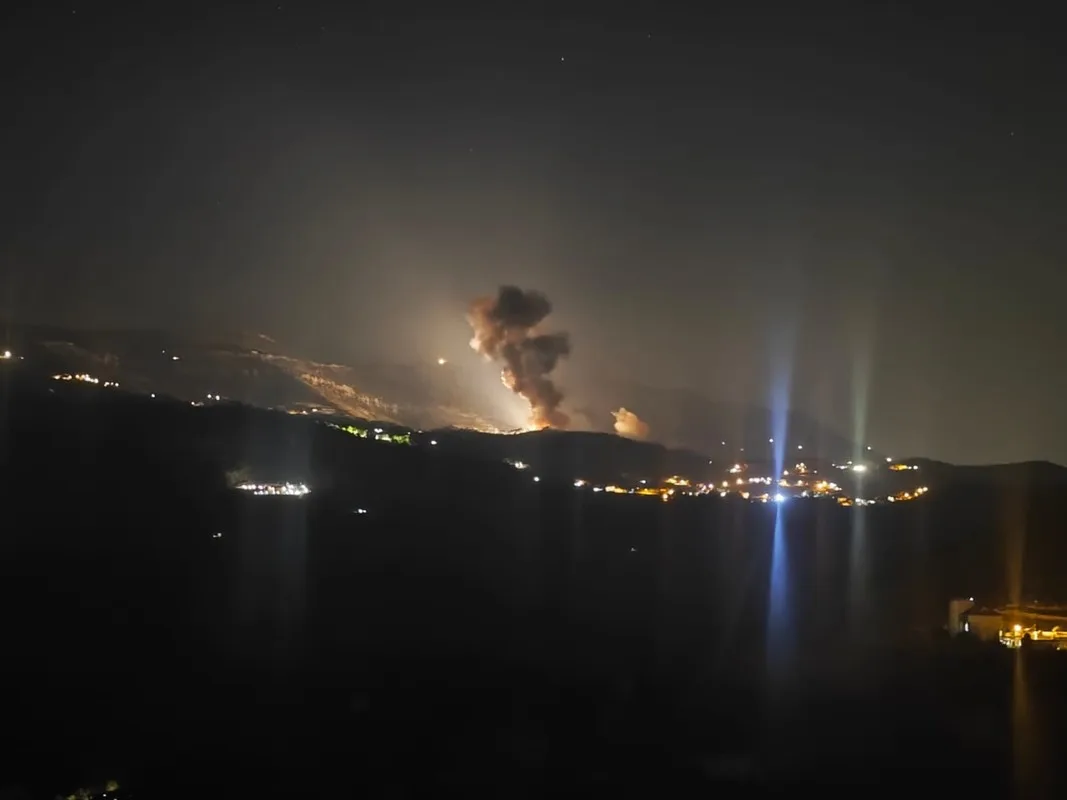
What are the latest developments in Israeli escalation in southern Lebanon today?

Serbian Police Kill Minor Who Attempted to Attack Israeli Embassy in Belgrade
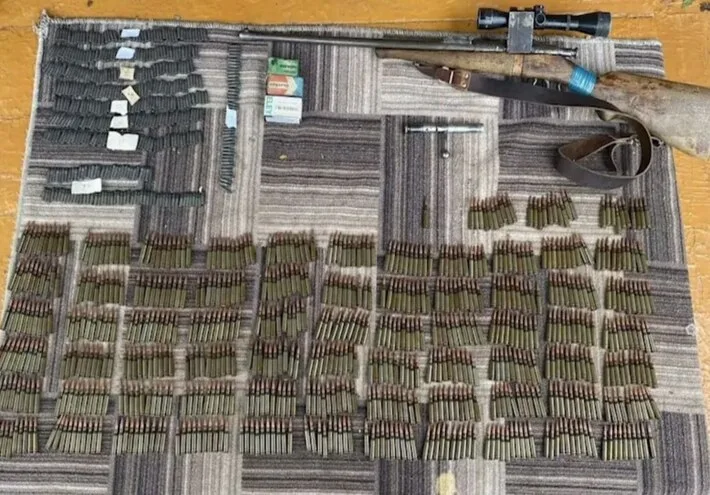
Russia Seizes 363 Weapons, Shuts Down 48 Illegal Gun Workshops