·
·


World
Several Middle Eastern countries have temporarily shut parts of their airspace and suspended flights due to escalating tensions between Israel and Iran.

On Sunday, multiple countries in the Middle East announced the closure of sections of their airspace and temporary suspension of air traffic as precautionary measures to ensure civilian aviation safety amid rising tensions between Iran and Israel.
The Iranian Civil Aviation Organization declared the closure of the western part of Iran's airspace until further notice following missile attacks launched by Tehran against Israel.
In addition, Reuters reported Sunday evening that Iraqi civil aviation officials confirmed Baghdad's decision to close the country's airspace and suspend flights for reasons related to air traffic safety.
The Syrian Civil Aviation Authority also announced a temporary closure of southern air corridors and a 12-hour suspension of operations at Damascus International Airport in response to the military escalation between Israel and Iran.
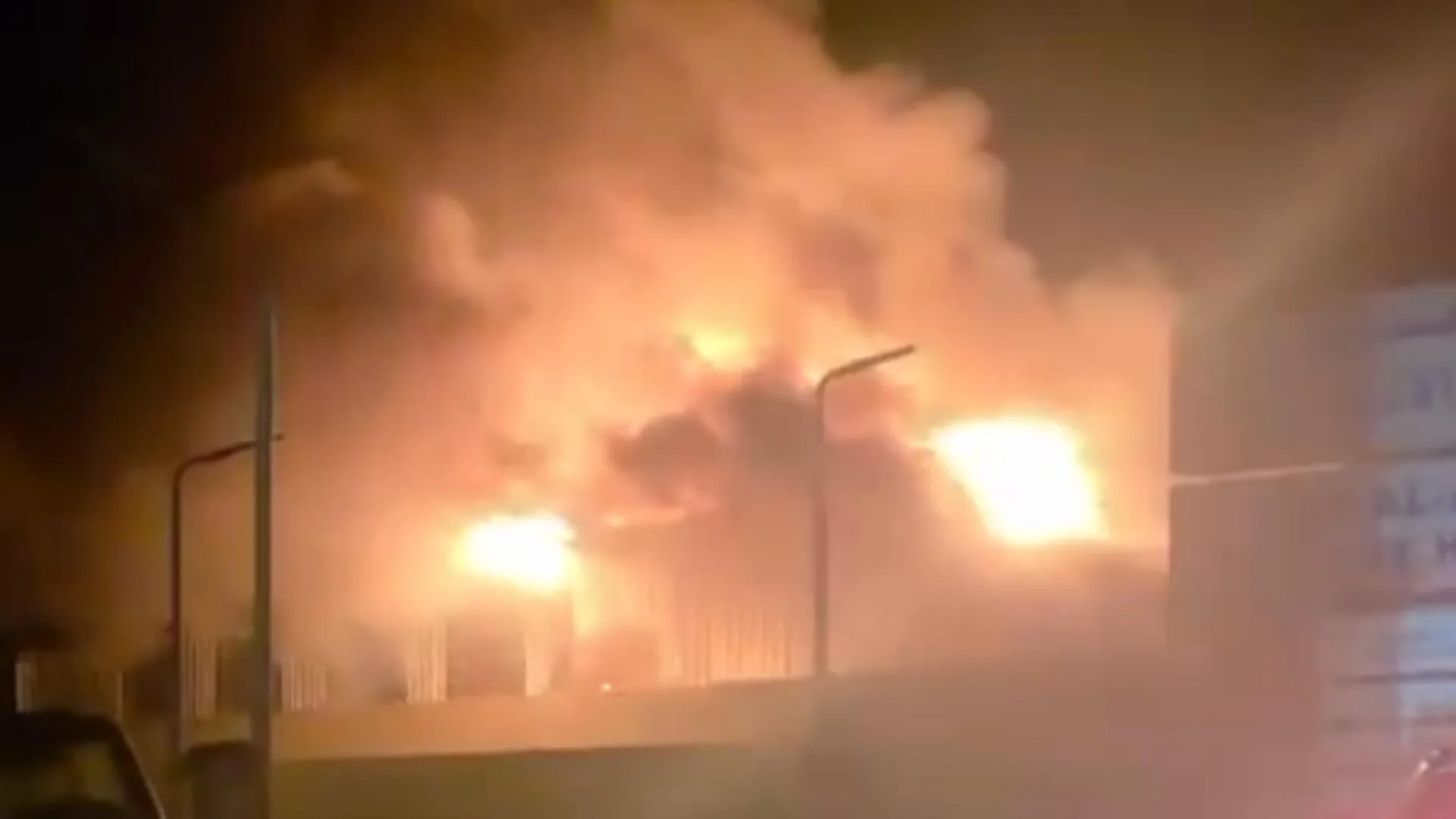
Explosions were heard in central Israel after missiles were fired from Iran, reportedly as retaliation for Israeli strikes on the southern suburbs of Beirut.
The Israeli military stated that the air force is intercepting threats and conducting strikes to eliminate any danger, while Israeli media reported that debris fell in the Tiberias area after an Iranian missile was intercepted.
Simultaneously, Israeli National Security Minister Itamar Ben-Gvir commented on the Iranian attacks, saying, "Tehran must burn tonight."
Earlier on Sunday, the Israeli army announced preparations for a possible incoming fire toward Israeli territory in the coming hours following an airstrike in Beirut, Lebanon's capital.
The Israeli military confirmed it has reinforced its defense systems and is "in a state of readiness and alert for a wide range of defensive and offensive scenarios," referring to a potential attack by Iran and Hezbollah in response to strikes on Beirut's southern suburbs.
In these developments, Chief of Staff General Eyal Zamir and army commanders are currently conducting continuous assessments of the situation and closely monitoring the unfolding events, according to the military statement.