·
·


World
Pakistan is preparing an executive annex to the Iran-US memorandum of understanding to salvage the agreement after US President Trump declared its termination.

Oman condemned recent drone attacks targeting sites in its Musandam Governorate.
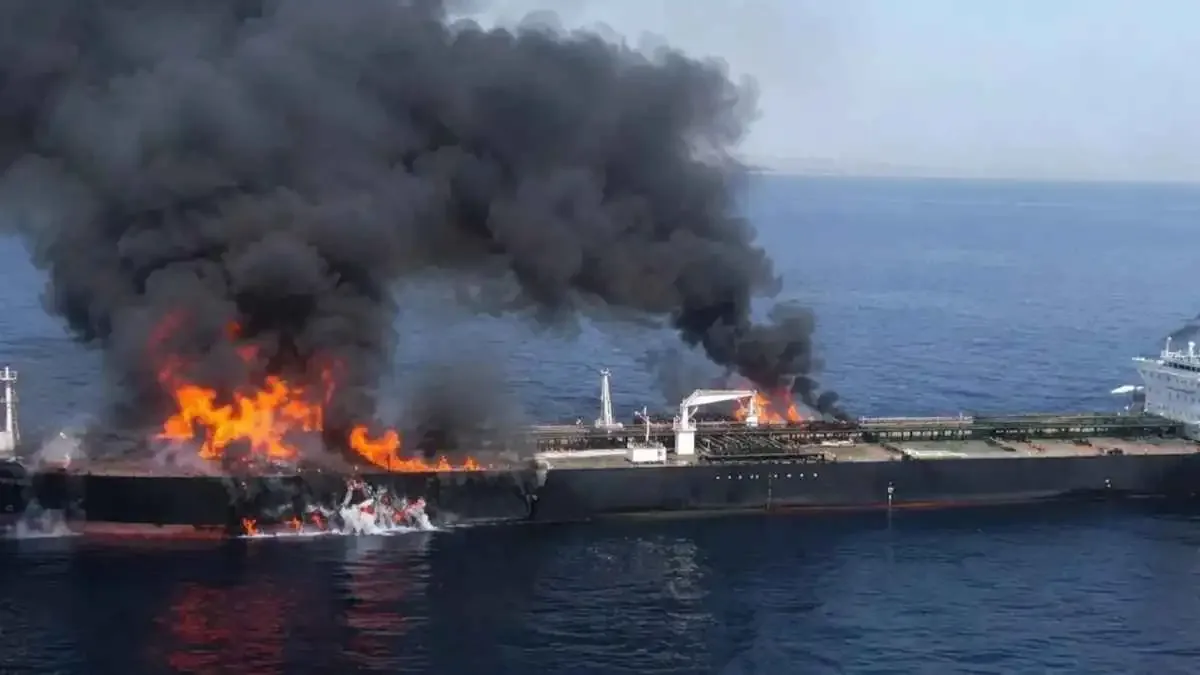
Diplomatic sources involved in mediation between Washington and Tehran revealed that Pakistan is preparing an executive annex to be added to the memorandum of understanding signed between the United States and Iran in mid-June. This memorandum now faces the risk of expiration, particularly after US President Donald Trump recently declared its termination following Revolutionary Guard attacks on commercial tankers and ships passing through the Strait of Hormuz.
Iran has warned it may abandon the memorandum if violations continue.
According to sources speaking to "Iram News," the need to arrange an explanatory annex has become essential to clarify ambiguous clauses within the memorandum. These ambiguities have allowed one party to leverage the agreement to its advantage at the expense of the other, a tactic Iran has encountered multiple times during negotiations.
Diplomatic expectations have risen regarding a potential resumption of US-Iran talks in Switzerland within days. Preparations are underway for technical discussions aimed at reaching a permanent peace agreement by mid-August.
Islamabad and Doha are working to reactivate mediation efforts. Qatari mediators recently visited Tehran, and Pakistan’s Prime Minister affirmed his country’s readiness to continue mediation with integrity and sincerity to achieve lasting peace in the region. Both the Emir of Qatar and the Pakistani Prime Minister emphasized the necessity of diplomacy to reduce tensions and secure maritime routes, creating conditions conducive to sustainable regional peace.
The mediation faced a crisis when Iran attacked vessels during their safe passage through the Strait of Hormuz and struck a Qatari gas tanker in the strait. Tehran also ignored the communication channel agreed upon in meetings held in Doha two weeks prior and suspended any interaction with Islamabad, particularly regarding arrangements for political and technical track sessions under the memorandum.
A diplomatic source familiar with the mediation stated that Pakistan, coordinating with Qatar and notifying Washington and Tehran, is addressing the unresolved clauses in the memorandum through this explanatory annex. The annex will also establish a timeline for upcoming negotiation meetings.
Islamabad’s preparation of the explanatory annex relies on the content of meetings held during the memorandum’s drafting before its signing with American and Iranian negotiators, as well as subsequent communications during the mediation process involving Doha at advanced stages, the source explained to "Iram News."
The diplomatic source added that efforts are ongoing to revive negotiations and prevent the memorandum from collapsing by clarifying provisions that require further explanation. Pakistan will prepare this explanatory document and send it to Washington and Tehran, awaiting their approval before advancing the talks within a more structured framework.
One of the annex’s primary objectives is to define precise safe routes through the Strait of Hormuz and to prevent the strait from being used to obstruct negotiations, even through threats. It also aims to ensure that the dialogue between Tehran and Oman regarding coordination does not align with Iran’s suggestions to establish an authority to collect fees for passage.
The memorandum also targets the reinstatement of agreed terms concerning Iran’s frozen financial tranches, which Pakistan worked on prior to the memorandum’s signing and which both parties approved. These terms linked the financial arrangements to technical meetings on the nuclear program, which were associated with sanction suspensions at that time.
The source continued that the basis of the technical negotiations includes maintaining the strait as a secure passageway without threats of establishing an Iranian military authority affiliated with the Revolutionary Guard to impose fees or decide who may pass or be denied passage by force.
On another front, the negotiation and reactivation of the memorandum face a new obstacle related to Israel’s reported involvement. According to media reports, the United States has received intelligence indicating that Iran recently devised a new plan to assassinate President Trump.
From the Strait of Hormuz to the White House, the alleged assassination plot against Trump has escalated tensions with Iran.
Trump threatened Iran with complete destruction if it carried out its assassination threat, stating he had issued an open order to the US military. He wrote on his platform "Truth Social": "There are 1,000 guided missiles aimed at Iran, followed immediately by thousands more, if the Iranian government executes its worldwide threat to assassinate or attempt to assassinate the current US president, that is: me!"
American affairs researcher Ahmed Ali said that the intelligence Trump recently received from Israel about Iran’s assassination plans will prompt him to prepare for greater escalation, having concluded that negotiations with Tehran are no longer effective.
Ali told "Iram News" that Trump's awareness of confirmed assassination plans from Israel will further undermine the memorandum’s validity, which is already suspended and requires revitalization to restore negotiations to a normal and orderly path.
He noted that the memorandum has become "torn" and unsuitable for any negotiation, as Iran manipulated it to reposition itself, while Trump attempted to rely on any agreement to secure sustainable passage through the strait until after the US midterm elections and the preparation of a new negotiation.