World
Poland Breaks Ranks with Europe: Constitutional Clash Redefines Limits of Power
A deepening constitutional crisis in Poland challenges the balance between national sovereignty and EU integration, with a standoff at the Constitutional Court potentially reshaping Europe's future.
The conflict erupting today in Poland goes beyond domestic politics to put the core relationship between member states and the European Union to a real test.
At the heart of the confrontation between the camp advocating for deeper integration with Brussels and the camp defending national sovereignty lies a dispute over the very nature of the Union itself—whether it is an alliance of independent nations or a supranational authority capable of imposing its rules on national constitutions.
Observers believe that what is unfolding before the Constitutional Court in Warsaw makes this disagreement a tangible reality that could affect the future of all of Europe.
"The Coup" Against the State
The spark ignited on Friday when Judge Anna Korwin-Piotrowska issued orders suspending the duties of Constitutional Court President Bogdan Święczkowski and his deputy Bartłomiej Sochański for one month, declaring her assumption of leadership of the institution as the senior-most judge.
The previous leadership immediately rejected the orders, accusing the other side of illegally seizing the official position and describing the events as a "coup."
Hundreds of citizens, mostly supporters of the Law and Justice party which opposes excessive integration with the European Union, gathered outside the court headquarters. Tensions escalated, with objects thrown at police officers, prompting security forces to intervene and detain several individuals.
Meanwhile, President Karol Nawrocki cut short his trip to Senegal to return immediately to Warsaw, while party leader Jarosław Kaczyński called for intervention to defend "national sovereignty."
Tusk vs. Nawrocki Clash
The first camp, led by Prime Minister Donald Tusk, insists on strengthening European integration and considers judicial reform a fundamental condition for restoring Brussels' trust.
The second camp, led by Kaczyński and Nawrocki, rejects the notion that European rules should supersede the Polish Constitution in matters concerning state competencies.
The Ministry of Justice submitted requests to lift the immunity of the suspended President and Deputy, while the opposing side insists that Korwin-Piotrowska is not a legitimate judge because the President did not administer her oath.
This dispute has persisted for months, after Nawrocki refused to swear in a number of judges elected by the current parliament, and the previous leadership refused to allow them to perform their duties.
Limits of the Constitutional Court's Authority
It is worth noting here that the Constitutional Court is not merely a judicial institution; control over its leadership means the power to interpret the Constitution itself.
Therefore, what is happening today in Warsaw places Europe before a real test regarding the limits of national sovereignty in the face of European membership obligations.
According to current developments, the situation remains unclear, with a general meeting of judges scheduled for November 3rd amidst ongoing escalation.
According to observers, what is happening in Poland may determine a new form of relationship between Brussels and European capitals in the coming years.
Latest news
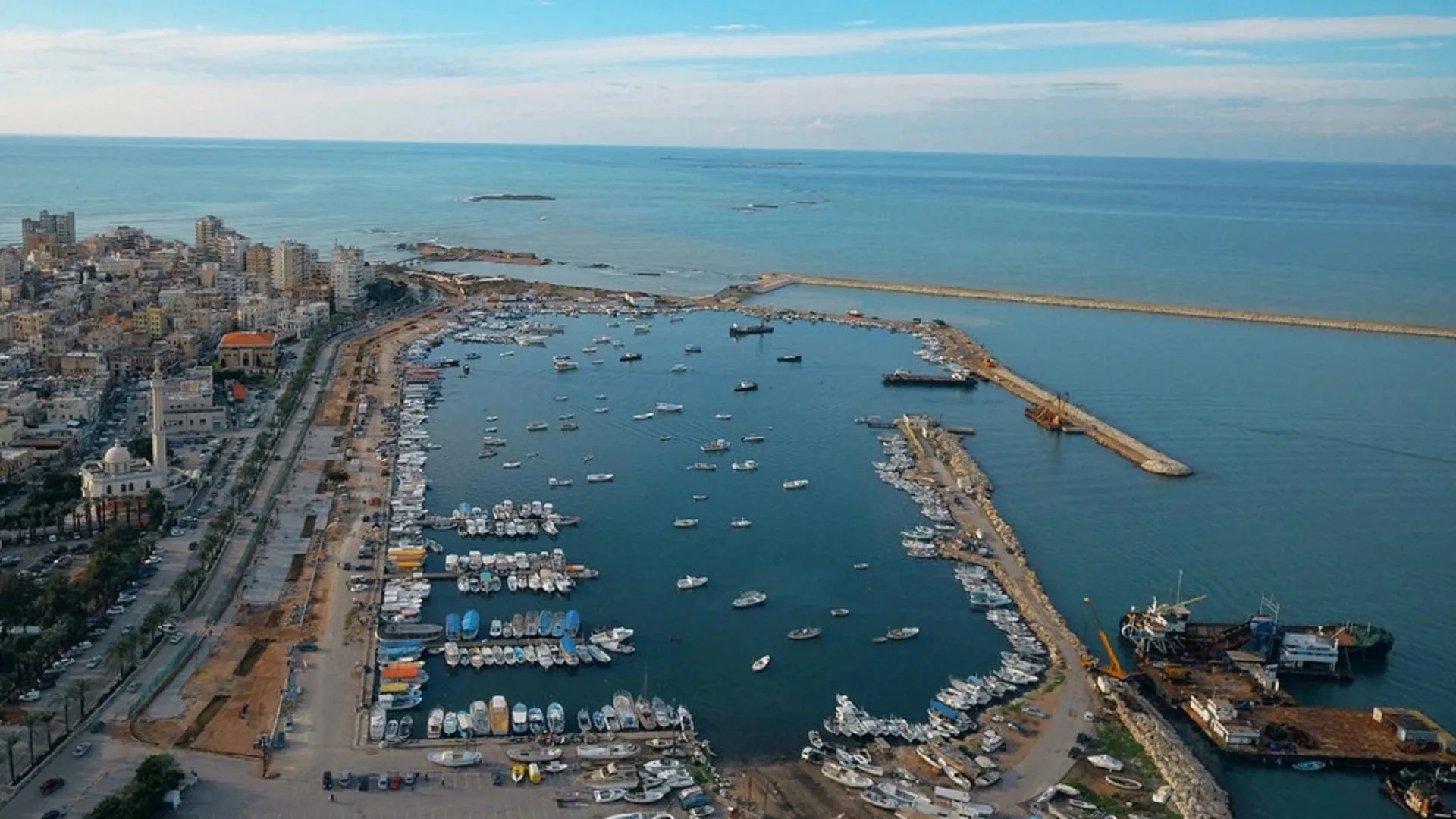
Tripoli on the Map of Major Corridors: What Does Bilal Erdogan's Visit to Lebanon Hold?

Trump: Talks with Iran Ongoing, War Costs Offset Through Venezuela

Thousands of Forged Passports and Millions in Funding: How Hezbollah Infiltrates Venezuela