World
Turkey and Libya Agree on Maritime Boundary Delimitation Amid Regional Concerns
Turkey and Libya have finalized a maritime boundary delimitation agreement, expanding Ankara's influence in the Eastern Mediterranean. The deal has sparked fears of new regional conflicts as overlapping claims with Greece, Egypt, and Israel raise tensions.

Turkey has reached an agreement to delimit its maritime boundaries with Libya after a long wait, allowing it to extend its influence into the energy-rich waters of the Eastern Mediterranean, a move that other countries in the region view as conflicting with their interests.
The memorandum of understanding, ratified by the House of Representatives in eastern Libya last week after being signed by the Tripoli government in 2019, stipulates the redrawing of the exclusive economic zone (EEZ) boundaries for both countries. These are areas where states enjoy special rights to exploit marine resources, including oil and gas.
However, some of the areas included in the new delimitation overlap with zones belonging to other countries in the region, raising concerns about the outbreak of new disputes.
Diplomatic breakthrough for Ankara
Since the overthrow of Libyan Colonel Muammar Gaddafi in 2011, Libya has been divided between two camps: an internationally recognized government in Tripoli and a rival authority in the east supported by Field Marshal Khalifa Haftar.
Turkey intervened in 2019 to support the Tripoli government in repelling Haftar's forces' attack on the capital.
But after seven years, it succeeded in rebuilding relations with eastern Libya, gaining a foothold with both sides of the conflict.
Dorothée Schmid from the French Institute of International Relations says this represents "a huge diplomatic success for Ankara, which managed to establish good relations with various Libyan parties."
Turkish Intelligence Chief Ibrahim Kalin visited Tripoli on the same day the eastern Libyan parliament ratified the memorandum of understanding, according to the Turkish network "TRT Haber."
What does Haftar gain?
Analysts believe the ratification of the memorandum by the House of Representatives came within the framework of efforts by Haftar's camp to strengthen its relations with Turkey.
Claudia Gazzini from the International Crisis Group says that Saddam Haftar, son of the Libyan military commander, sought through the approval of the memorandum to "prove that he is a reliable partner for Ankara and capable of fulfilling his commitments."
The ratification of the agreement came at a time when the United States and the United Nations are pushing for the reunification of Libya, while Haftar's camp seeks to guarantee an influential role for itself in any unified authority that may be formed in the future.
Libyan international relations professor Khaled Al-Muntasir sees the shift in eastern Libya's position as stemming from the fact that Haftar and his family realize their political future depends largely on Turkey, forcing them to make concrete concessions if they want to extend their influence over the entire country.
Oil and gas stakes
The discovery of large gas reserves off the coasts of Israel and Cyprus since 2009 has enhanced the strategic importance of the Eastern Mediterranean.
Similarly, the discovery of Egypt's Zohr field in 2015, with estimated reserves of around 850 billion cubic meters, strengthened Egypt's position as a regional power in the gas sector.
Experts believe these discoveries effectively ended the implicit understanding that prevailed among Mediterranean countries, based on not officially claiming the delimitation of exclusive economic zones.
Today, the maritime claims of Cyprus, Egypt, Israel, Lebanon, and Turkey overlap in parts of the Eastern Mediterranean.
In June 2025, the Libyan National Oil Corporation and Turkish Petroleum signed a memorandum of understanding to conduct geological and geophysical studies in Libyan waters.
Turkish Petroleum obtained onshore and offshore exploration rights during the first round of oil and gas licenses offered by Libya in 17 years.
Expected geopolitical disputes
The memorandum of understanding provoked dissatisfaction from the European Union, Greece, Israel, and Egypt, who considered that it infringes on their sovereign rights and contradicts international law.
Analysts believe Libya's ratification of the memorandum gives Turkey a political boost to proceed with maritime survey operations and negotiations regarding exploration.
But the real test, according to experts, will be at sea, where the activities of survey and drilling vessels will determine whether new energy projects will advance or face obstacles due to regional tensions.
Analysts also point out that other projects in the Eastern Mediterranean, such as submarine interconnection cables, could be affected by any future escalation.
Currently, Ankara continues to push for expanding its cooperation with Libya, while simultaneously presenting itself as a supporter of the country's reunification.
Turkey called on Friday for the reunification of the rival administrations in eastern and western Libya through the integration of different military structures into a "unified national army."
Additionally, it issued an invitation specifically to Egypt, unlike other countries, to negotiate the delimitation of maritime boundaries in the Eastern Mediterranean, following strong condemnation from Cairo of what it considered a "flagrant violation of sovereign rights" by Libya and Turkey.
Latest news
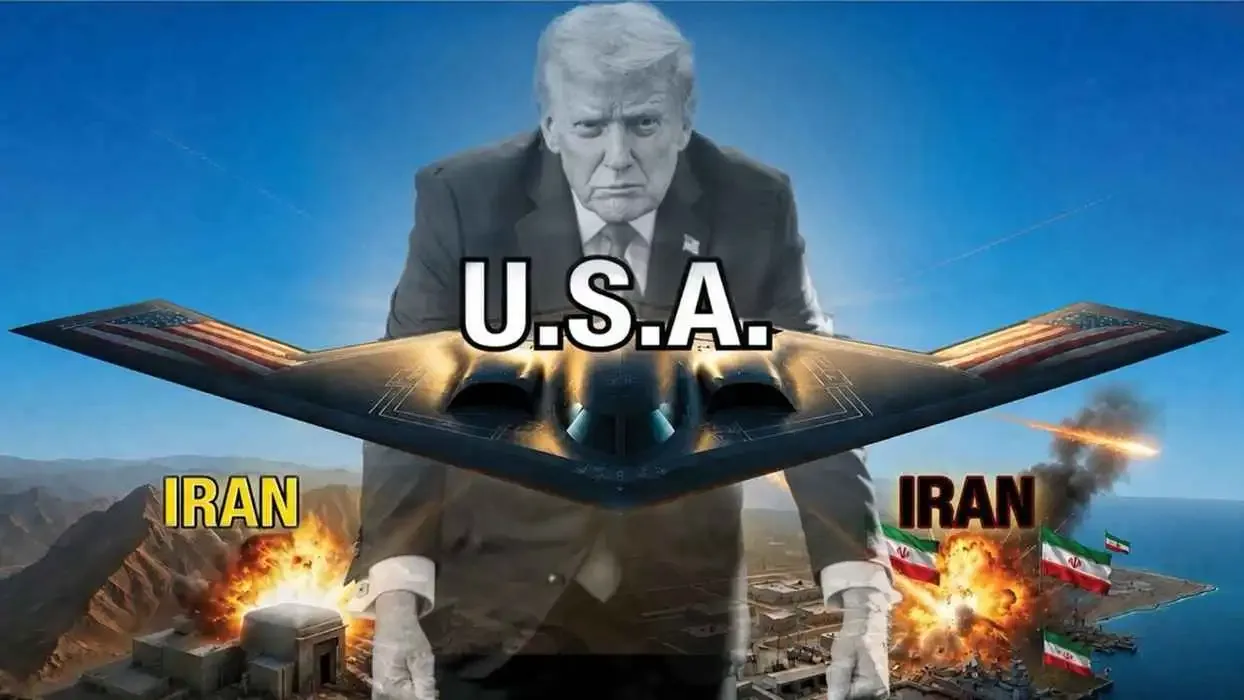
Report: US Military Prepares Plans to Strike Iran After Midterm Elections

Britain Urges Citizens to Stockpile Food and Water for Emergencies
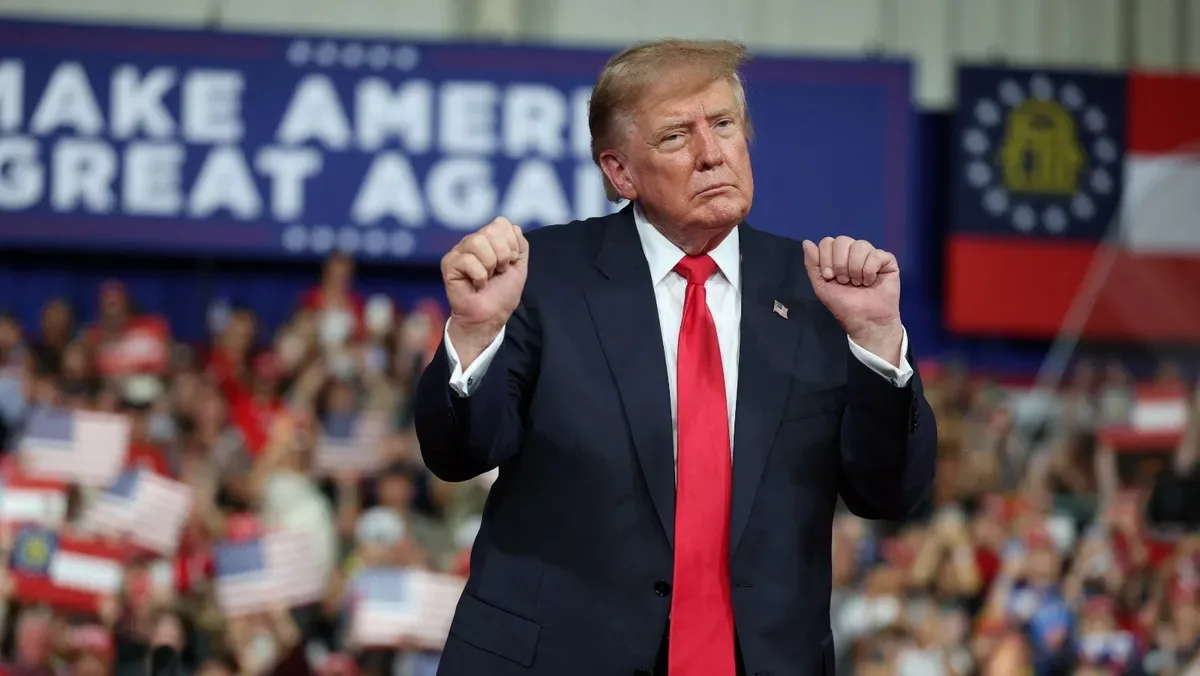
Trump Defends Tariffs and Announces Audi Plant in Georgia