·
·


World
The Israeli defense establishment revealed its security needs estimates for the next ten years, demanding an annual defense budget of no less than 120 billion shekels (about $34 billion), double the traditional defense budget before October 7, 2023.

The Israeli defense establishment revealed its security needs estimates for the next ten years, demanding an annual defense budget of no less than 120 billion shekels, about $34 billion.
This amount constitutes about 20% of Israel's total budget and about 6% of GDP, double the traditional defense budget that prevailed before the war of October 7, 2023, according to what Channel 12 revealed.
The request comes as part of a capability enhancement plan to which Prime Minister Benjamin Netanyahu added about 350 billion shekels over the decade, but it is based on assumptions that have not yet been implemented, most notably extending the mandatory service period and reducing the size of reserve forces.
More importantly, according to the Channel 12 report, the figure does not include budgets for the General Security Service (Shin Bet), Mossad, police, or the Ministry of Public Security, nor does it take into account the costs of any additional combat rounds, whether another operation against Iran similar to "Roar of the Lion" or operations like "Gideon Vehicles."
According to Ministry of Defense officials, the 120 billion shekel amount represents "the necessary minimum" to meet ongoing security needs; each combat round will require additional sums, so the 2027 budget is expected to be much higher due to the remaining costs of the "Roar of the Lion" operation, which amounted to about 15 billion shekels.
Defense-Finance Dispute
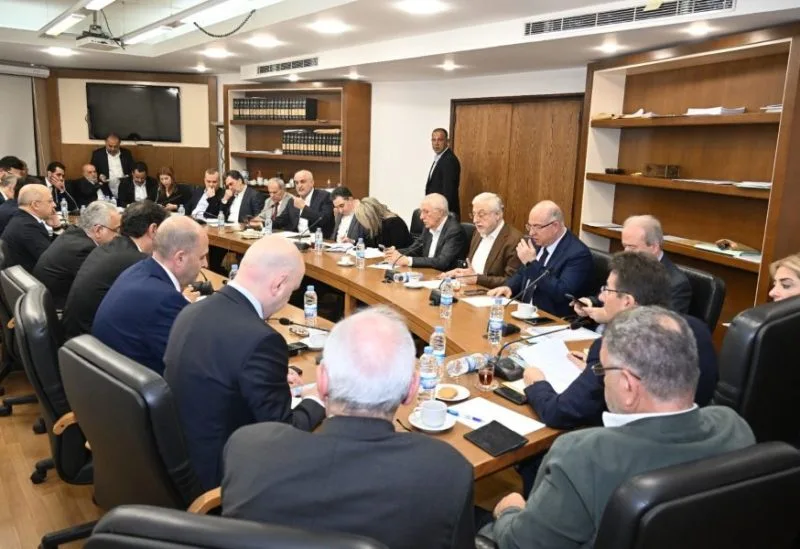
The defense establishment accuses the Ministry of Finance of not transferring the required budgets and ignoring political directives, harming ongoing operations, unit readiness, and weapons purchases, also noting that the delay threatens the Apache helicopter deal with the US Army, hinders the repair of damaged tanks, and leads to a shortage of interceptor aircraft.
In contrast, the Ministry of Finance rejects these claims entirely, and its officials demand a budget about 10 billion shekels lower, stressing the need to reduce unnecessary expenses and improve efficiency.
During internal discussions last week, Finance Minister Bezalel Smotrich described claims of a budget shortfall as "pure slander." He said: "It has never happened that the army came and said: I need bombs for planes now, I have someone to buy them from, give me the money, and then the request was refused. All discussions are either about improving efficiency, stopping waste, and setting priorities, or about the Prime Minister's future plans to strengthen the army."
As for the Bank of Israel, its governor Professor Amir Yaron, who also serves as the government's economic adviser, has repeatedly warned against giving the defense establishment a "blank check." In the cabinet meeting where this year's budget was approved, he cautioned that the planned defense spending path would lead to a sharp and sustained increase in public debt, threatening market confidence and Israel's ability to raise funds in times of crisis.
The Chief Economist of the Ministry of Finance, Dr. Shmuel Abramson, reiterated the economic price, saying when presenting the principles of the 2026 budget: "Every unnecessary shekel that goes to the defense budget is an additional shekel for taxes and the deficit."
Deputy Budget Commissioner Tamar Levi Bonet called on the security establishment to show the same responsibility that the economy has shown towards it, stressing that open-ended oversight of security spending cannot continue.