·
·


Football
The KitLegit app helps fans verify the authenticity of England football shirts amid a surge of counterfeit kits containing potentially harmful materials.

KitLegit, a newly developed app, enables football supporters to determine whether an England shirt they intend to purchase is genuine or counterfeit by analyzing a photograph. Created by brand protection experts, the app aims to combat the influx of fake football kits flooding the UK market ahead of next month's World Cup.
The app functions by assessing images of shirts, either taken directly or sourced online, and provides a certificate of authenticity. This certificate can assist buyers in future transactions or serve as proof to reclaim funds from banks or finance providers if the item is counterfeit. Investigators believe the tool could significantly disrupt the trade of counterfeit kits, which has expanded due to the rising prices of official shirts, some retailing for up to £135.
Despite the illicit trade's links to terrorism, drug trafficking, organized crime, and modern slavery, experts acknowledge that some consumers may still purchase fake kits. However, the app is expected to prevent many innocent buyers from falling victim to fraudsters. Annually, approximately 16.2 million counterfeit football shirts are sold in Britain, averaging £11 each, generating an illegal market valued at £180 million. For every genuine shirt sold, there are 1.6 counterfeit versions in circulation.
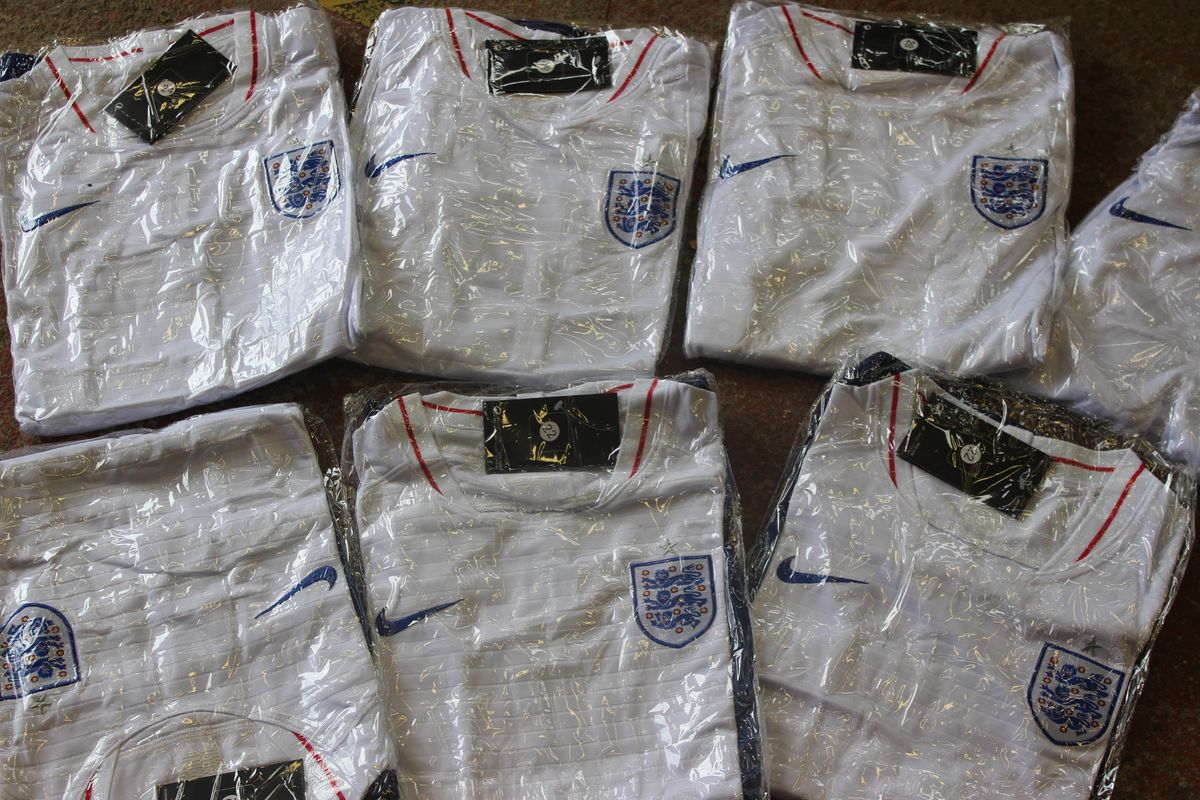
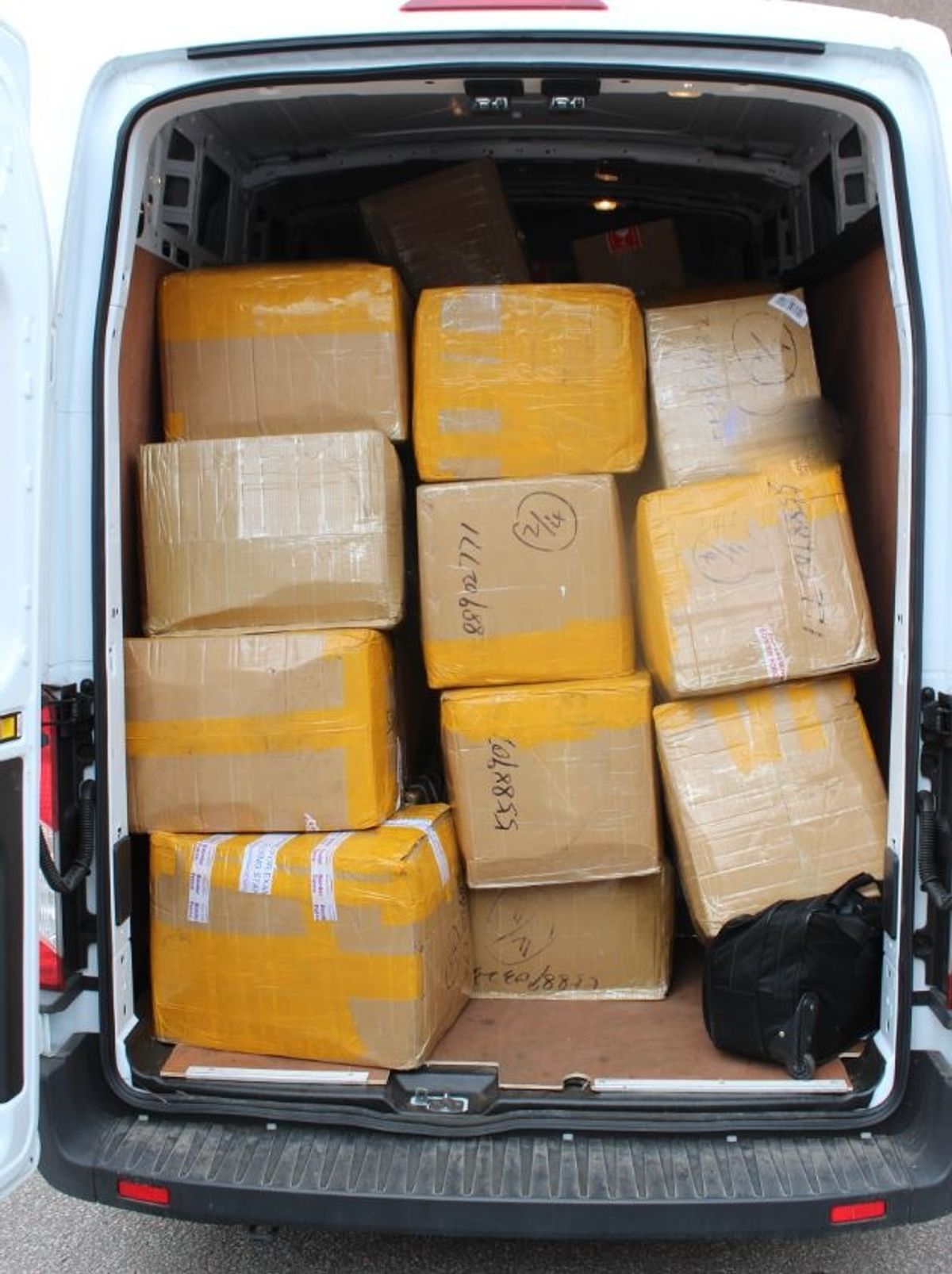
Recent enforcement actions include the seizure of 4,400 fake kits from a Midlands outdoor market and the confiscation of 52 counterfeit full England kits from a Leicester car boot sale, part of a £500,000 scam. Lord Richard Walker of Broxton, executive chairman of Iceland superstores, has urged government intervention to stop this unlawful trade.
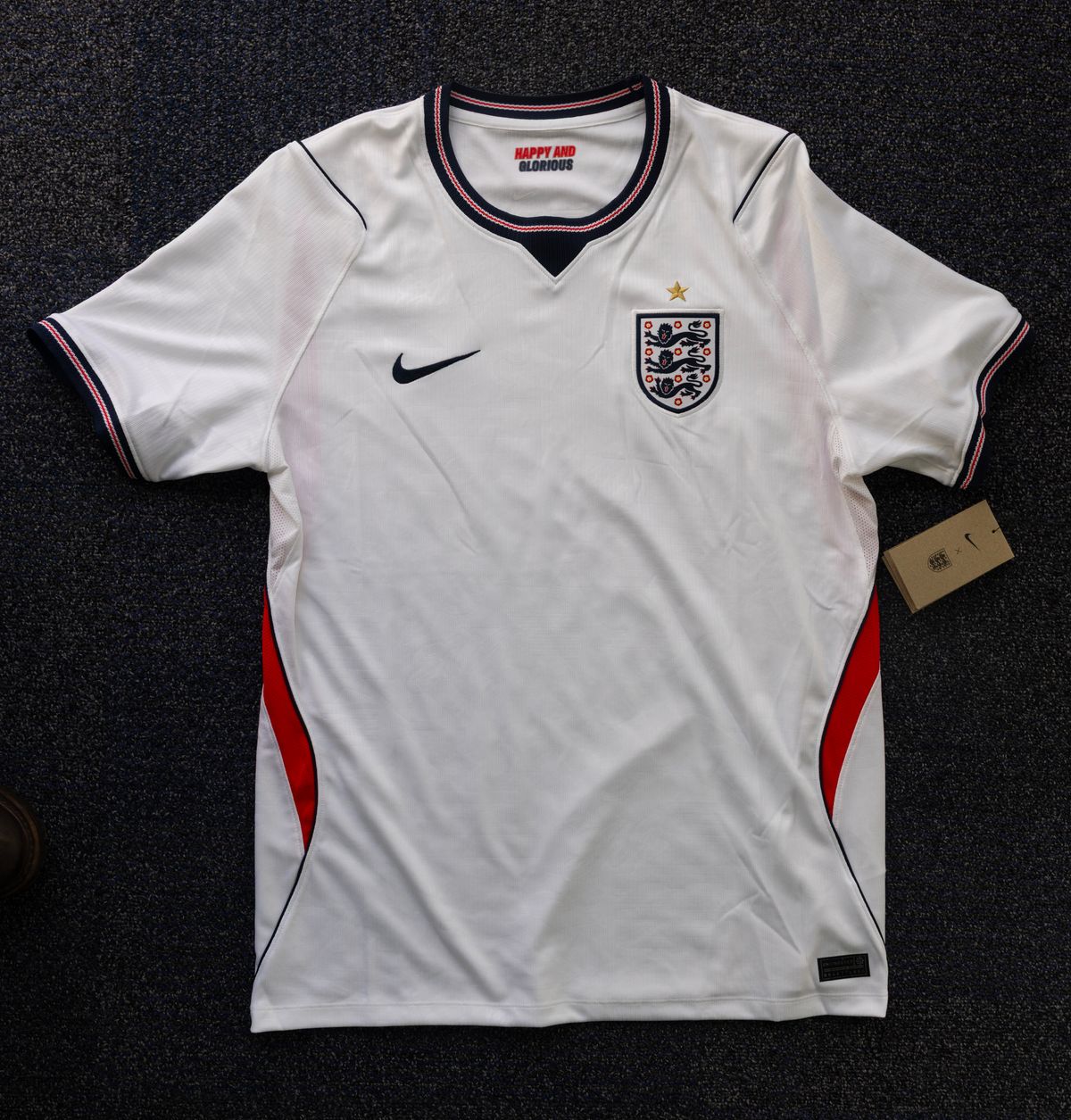
An anonymous brand protection expert involved in the app's development examined a genuine £89.99 England shirt against a counterfeit bought from China for £12.15, including delivery. Although visually similar, the fake shirt may contain toxic dyes capable of causing skin burns and could even pose a fire hazard. The expert highlighted that counterfeit products undergo no safety testing and often involve criminal enterprises.
“Every corner possible has been cut to get that product out as quickly and cheaply as possible,” the expert stated. “We don't know what's in the fabric. Could it be harmful? Yes. Could it be a fire hazard? Yes. It can be quite scary.” He emphasized that counterfeit goods are part of broader criminal networks linked to drugs, terrorism, and modern slavery, and questioned the working conditions behind these products.
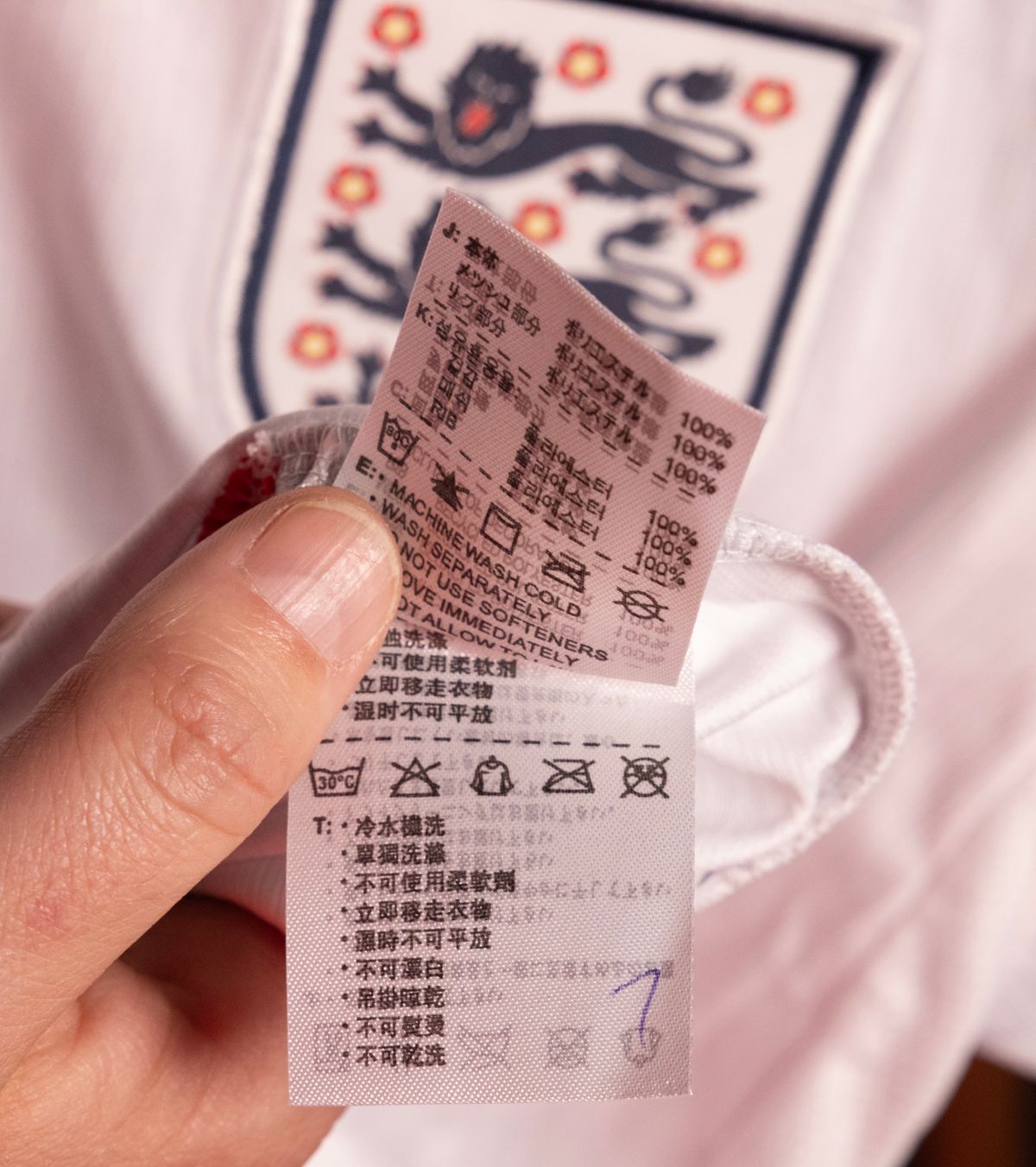
He identified several markers distinguishing fake shirts, including prices more than 70% lower than the official item, stitching errors on collars and sleeves, incorrectly placed tags, and labels with fictitious information. Inside the counterfeit shirt, poor stitching and pen marks on internal labels were evident—features absent in authentic products. Although both shirts bore watermarks, the genuine shirt’s was clearer due to superior material quality. The official shirt was off-white, whereas the fake was noticeably brighter.
Advances in technology have improved counterfeit quality, making detection more difficult for consumers. The expert noted a recent surge in counterfeit shirts in the UK, especially around new product launches and the current World Cup, where England's strong performance has increased demand for official merchandise. Additionally, he observed a rise in fake retro Three Lions shirts from past tournaments, which are harder to verify due to discontinuation. Counterfeiters also exploit collaborations between football teams and fashion brands, as football shirts have become fashion statements beyond matchday wear.

Online trading of football shirts is described as chaotic, with some criminal groups cloning sports retailers’ websites to deceive buyers, while others use vintage clothing platforms perceived as more trustworthy. The app is designed to empower consumers to verify authenticity before purchase and to identify counterfeit items already owned.
“We had consumers unknowingly buying fakes and losing money on dodgy websites,” the expert explained. “KitLegit allows users to submit images of shirts and receive a result within about 60 seconds, indicating whether the item is genuine or counterfeit. It also provides certification to help recover funds from banks or sellers.” Both fans and small businesses dealing in vintage football shirts are utilizing the app.
The UK-based Lehi James Store, a seller of authentic shirts, warns that counterfeit kits pose health risks due to untreated fabrics that may ignite easily and contain harmful toxins causing skin irritation. The counterfeit market also drains revenue from legitimate businesses and governments, resulting in lost tax income and reduced public services. It is estimated that counterfeiting costs the UK economy £9 billion annually and threatens 80,000 jobs.
Moreover, the counterfeit trade supports organized crime, with many operations linked to money laundering, drug trafficking, sexual exploitation, and modern slavery. Raids in the UK have uncovered connections to prostitution and violent crime. Globally, the counterfeit industry, valued in the trillions, finances illicit activities, with football shirts playing a notable role.
Purchasing fake shirts from untrustworthy online sellers also exposes consumers to data theft due to insecure payment systems. Counterfeit factories operate without oversight, exploiting workers under hazardous conditions, including child labor and forced work, with minimal pay and exposure to dangerous chemicals. Consumers buying fakes indirectly support this exploitation affecting millions worldwide.
Finally, counterfeit shirts hold no long-term value, unlike authentic items that can become valuable collectibles. Fake kits are poorly made and lack resale worth.