Lebanon
Jaber Receives UNDP Delegation to Discuss Reducing Energy Costs in Lebanese Public Institutions
Lebanese Finance Minister Yassin Jaber met with a UNDP delegation to discuss strategies for reducing energy costs in public institutions through solar investments and efficiency programs.

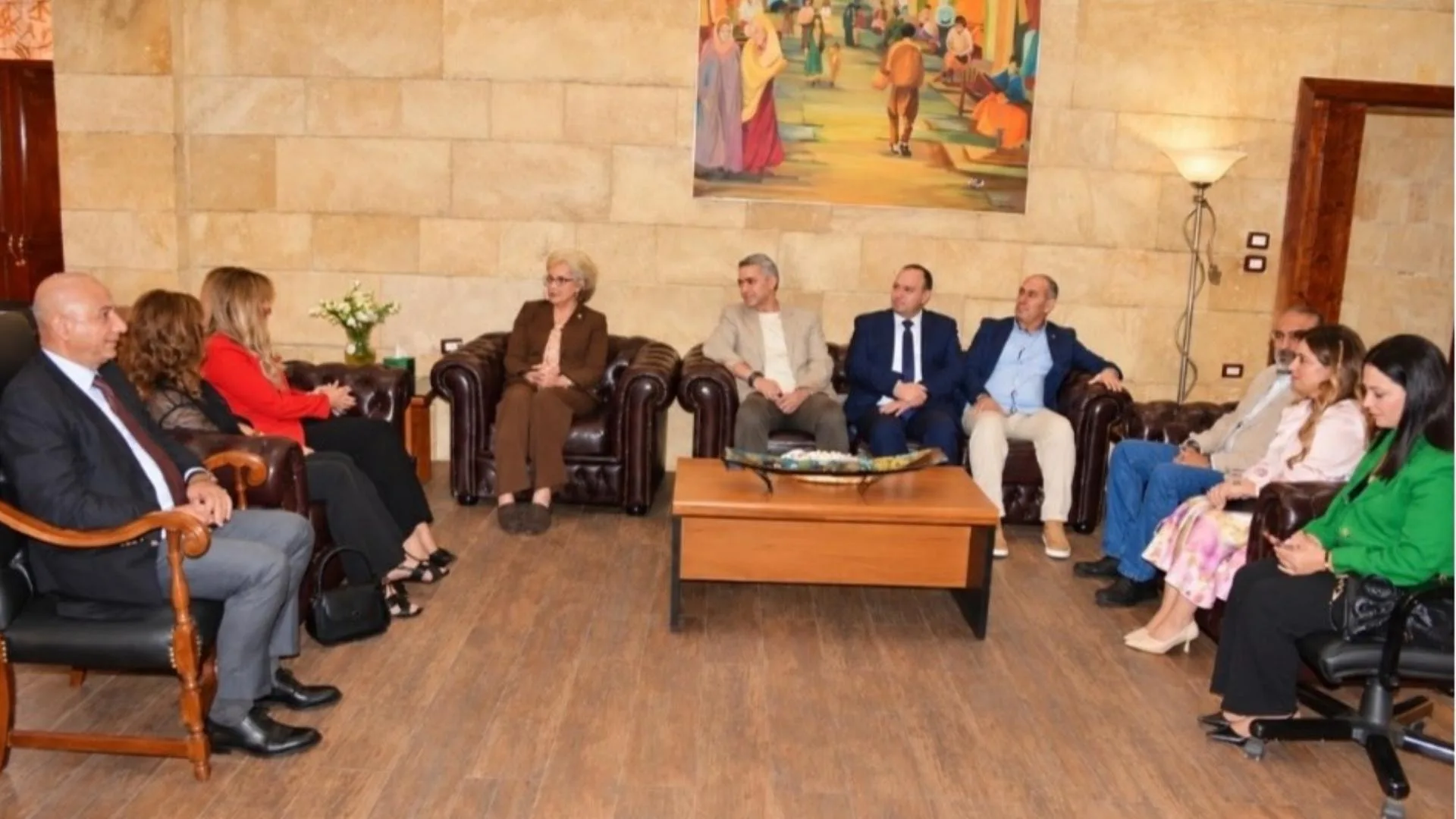
Finance Minister Yassin Jaber received a delegation from the United Nations Development Programme (UNDP) at his office in the ministry. The delegation included Fahaquen Kabakian, Director of the Green and Inclusive Development Program; Hassan Harjli, Project Manager and Energy Advisor; and Wasif Qadih, Renewable Energy Projects Engineer. The meeting was also attended by the minister's advisors, Claudine Kerkie and Zeina Kassem.
The delegation presented the program's activities in the energy sector, funded by the European Union, Germany, Spain, the Kuwait Fund for Arab Economic Development, and Belgium. Key initiatives include investment in solar energy and energy efficiency in several public facilities, such as government hospitals, schools, governorate buildings, courthouses, military centers, Internal Security Forces stations, and the Lebanese University. These investments are expected to generate significant annual savings for the state treasury.
The discussion addressed challenges facing the sustainability of these investments, particularly operation and maintenance after the warranty period expires, weak facility management, and the need to change energy consumption culture in public administrations. The delegation proposed that the Ministry of Finance play a pivotal role through:
- Launching a national program to reduce energy costs in the public sector.
- Adopting life-cycle cost criteria in public procurement instead of lowest-price criteria.
- Establishing a mechanism to reinvest achieved savings into new projects and maintenance.
- Supporting the "Lebanese Green Investment Facility" (LGIF) to stimulate private sector financing.
The delegation also presented the experience of micro-grids in the southern town of Qbrikha, as a model for better reconstruction foundations in affected areas.
Jaber emphasized "the importance of starting from the current reality, including the widespread adoption of solar energy in homes and buildings, and using this reality as a baseline to measure improvement periodically and reliably." He stressed "the necessity of conducting energy audits and identifying base loads in public buildings before any investment," noting the possibility of launching a program in this framework in coordination with the Presidency of the Council of Ministers, which would achieve savings for the treasury and create job opportunities.
It was agreed to continue coordination between the ministry team and the UNDP to follow up on discussions regarding these proposals.
Previously, Jaber had received German Ambassador Thomas Zahneine, during which bilateral relations between Lebanon and Germany were discussed. He also met with the Dean of the Lebanese Medical Syndicate, Elias Challala.
Latest news
Rajji: Lebanon's Decisions Are Made in Beirut and We Will Not Be a Platform to Threaten the Gulf

Belarus receives three helicopters evacuating Oleshky residents
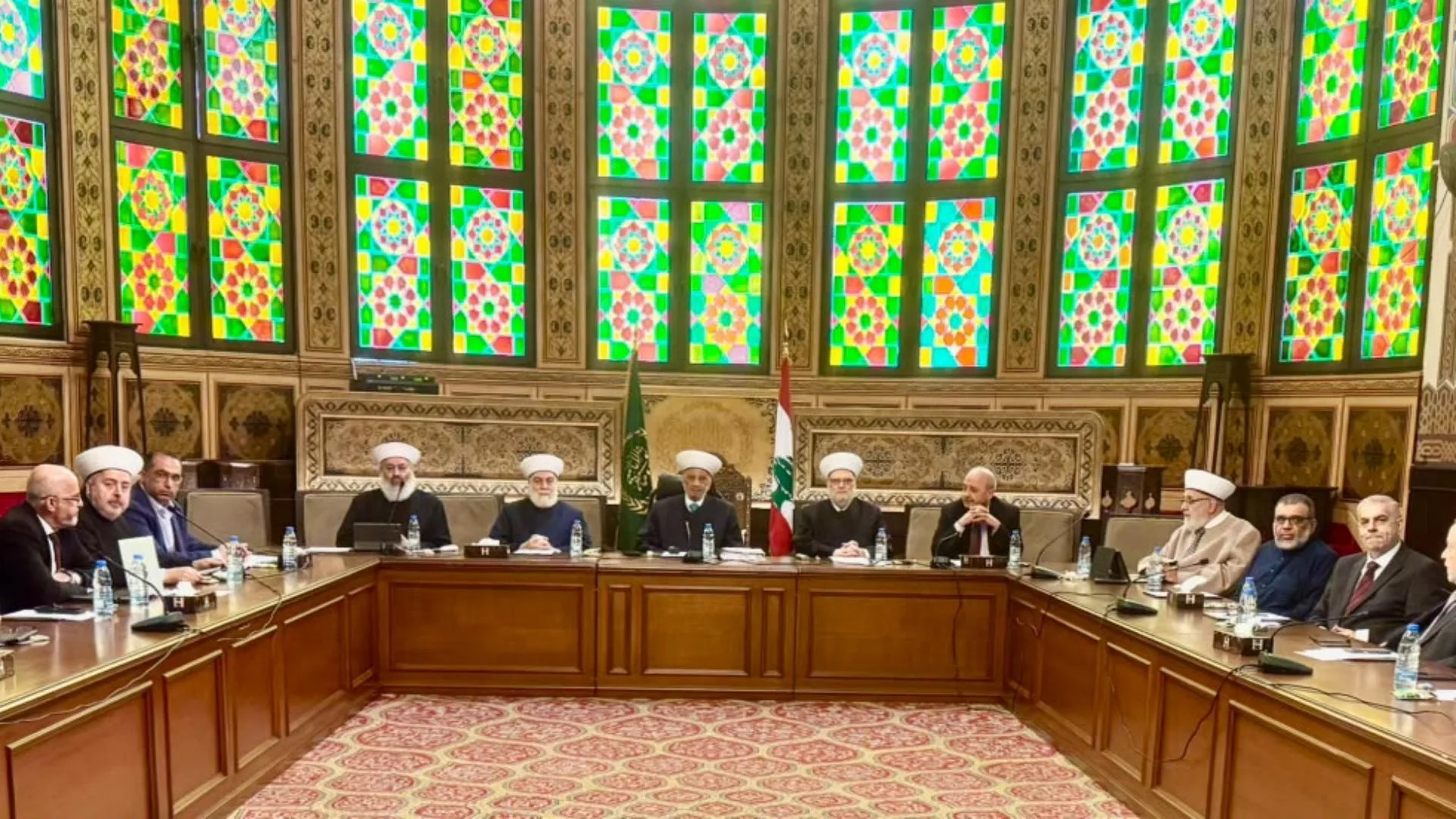
Supreme Islamic Sharia Council: We Warn Against 'Explosive Messages' and Express Solidarity with Saudi Arabia