Lebanon
Krati Visits Tripoli and Discusses Development of Public Education with Leaders
Lebanese Minister of Education Reema Krati visited Tripoli to meet with administrative, religious, and educational leaders, focusing on challenges facing public schools and the ministry's development plans.

Minister of Education and Higher Education Reema Krati, leading a delegation from the ministry, toured several administrative, religious, and educational leaders in the city of Tripoli. This was part of an official visit dedicated to closely examining the reality of the educational sector, particularly public education, and identifying the main challenges facing schools, their administrations, and teaching bodies. The visit also included presenting the ministry's vision and development plans for the next phase. The tour encompassed a series of meetings and discussions with representatives from civil society associations, educational figures, and principals of public schools, aiming to enhance direct communication with those concerned with educational affairs, listen to their concerns and demands, and explore ways of cooperation to address the accumulated challenges burdening the educational sector.
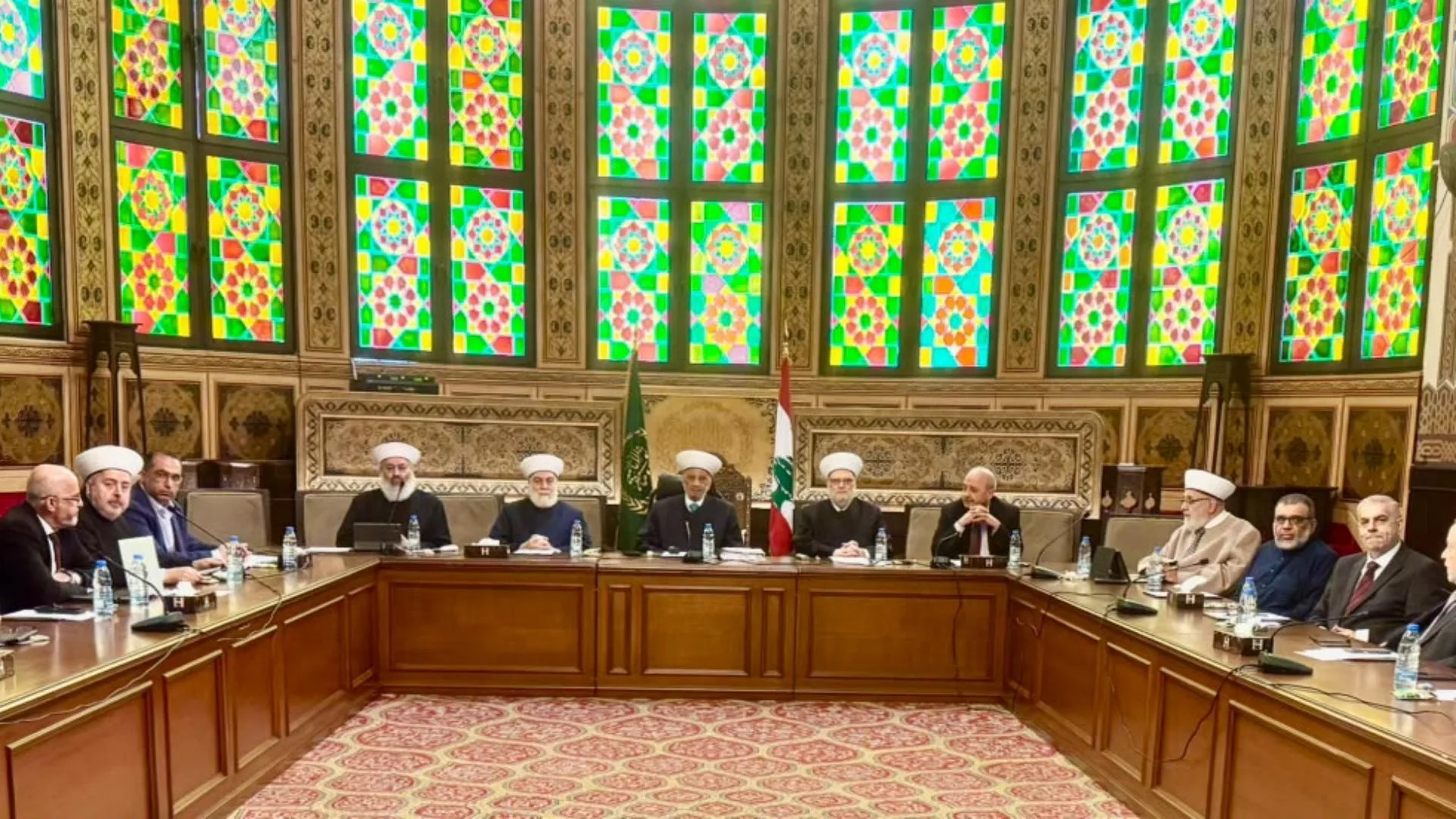
She began her tour by visiting the Tripoli Seray (Governorate Building), where she was received by the Acting Governor of North Lebanon, Iman Al-Rafei, in the presence of Tripoli Mayor Abdul Hamid Karima, Head of the Educational Region Nicolas Khoury, Legal Advisor Fahmi Krati, and members of the accompanying delegation. During the meeting, there was a comprehensive review of the educational situation in North Lebanon, especially in Tripoli, and the difficulties faced by public schools at administrative, structural, and social levels. They also discussed coordination mechanisms between the ministry, the governorate, and relevant parties to ensure a safe and sound learning environment and strengthen the ability of public schools to fulfill their educational and national mission.
Following the meeting, Krati expressed "her happiness at being in Tripoli, the city to which she belongs and takes pride in its roots," noting that "her visit had been scheduled on two previous occasions, but the exceptional circumstances witnessed by Lebanon, particularly the war and its repercussions, necessitated reprioritizing and directing attention toward the most affected areas, foremost among them the South." She said: "I wanted to start my visit from the Governorate House because we enter homes through their doors. I thank His Excellency the Governor for her warm reception and cooperation, especially since conditions did not allow organizing this visit until today, Saturday."
She added: "I am very happy that the opportunity finally arose for me to return to my city, Tripoli, to meet its people and those working in its educational sector, to listen to them directly, and to share with them what we are working on at the Ministry of Education."
Krati affirmed that "the primary goal of her tour is not limited to understanding existing problems but extends to opening a frank and responsible dialogue with the educational family, allowing the presentation of the ministry's future directions and listening to observations and suggestions that contribute to developing public education."
She indicated that she "came to listen to school principals and those concerned with educational affairs, but I also want them to listen to me, to realize the magnitude of the challenges the ministry faces in managing this sector amid the difficult conditions the country is going through, and to be assured that we stand alongside them and work for their benefit."
Krati stressed that "the public school constitutes a fundamental pillar in building the state and society, and revitalizing it is a shared national responsibility that the Ministry of Education cannot bear alone. It requires the concerted efforts of official administrations, municipalities, civil society, educational institutions, and supporting entities. The Ministry of Education cannot develop its schools alone if we do not all cooperate and integrate in bearing responsibilities. The educational sector needs combined efforts and a shared vision that places the student's interest and the future of education above all else."
In discussing the ministry's vision, Krati affirmed that "current challenges, despite their severity, should not limit the view of Lebanon and its educational sector to successive crises. She emphasized the need to highlight the energies, competencies, and potentials that Lebanon possesses. She said: 'We are engaged in continuous discussion with the international community and donor agencies to confirm that Lebanon is not just a country living through crises, but a country capable of innovation, finding solutions, and reaching the highest levels of education. We do not want to merely manage the crisis; we are working on development and building a better future for education.'"
She clarified that "the ministry has set a specific vision for revitalizing the public school, and her visit to Tripoli falls within the framework of explaining this vision and enhancing partnership with workers in the sector. It also includes discussing preparations for the upcoming academic year, available resources, actual needs of schools, and possible means to address difficulties hindering the educational process." She confirmed that she "attaches special importance to directly listening to school principals and teachers," considering that "the success of any reform or development plan begins with understanding the field reality and interacting with those who face daily challenges inside educational institutions."
In response to a question about government solidarity regarding political situations and differences within the government and their impact on general stability, Krati explained that "the government continues to perform its duties under extremely difficult conditions, and solidarity among its members remains intact despite differing political positions on some files." She expressed "her keenness to convey the image of the work carried out by the government and the ministerial team bearing great responsibilities under the leadership of the Prime Minister. Solidarity exists, and even when some ministers decide to record certain political positions, this does not mean stopping cooperation or disrupting government work."
She continued: "We are the executive authority, and our responsibility is to continue working and cooperating among ourselves, constantly seeking the best ways to unify goals and coordinate efforts, away from the political tug-of-war surrounding us."
Krati revealed "the continuation of meetings and coordination between ministries and the presidency of the council of ministers, aimed at enhancing integration between government efforts and showcasing achievements despite the pressing political atmosphere." She affirmed that "priority remains re-establishing the presence of the state and its institutions, proving its ability to bear responsibilities towards citizens, stressing the necessity of placing the public interest above any other considerations."
Commenting on another question regarding threats by some to ruin the country and fears of deteriorating security conditions, she said that "the anxiety experienced by Lebanese people is understandable and natural after long years of successive crises." She considered that "recovery requires time, effort, and confidence in the ability of state institutions to play their role. The government is doing its utmost in highly complex conditions, and hope remains alive in overcoming difficulties and restoring trust in the state and institutional work."
Regarding the message she carries to the sons of her city, Krati expressed "her pride in belonging to Tripoli," confirming that "assuming national responsibility is an opportunity for her to serve Lebanon in all its regions, while simultaneously serving the city to which she belongs." She wished that "the people of Tripoli would see me as a daughter of this city proud to assume national responsibility, and I want them to know that when I serve any inch of Lebanese land, I am also serving Tripoli, because serving the nation is essentially serving every city, town, and village within it."
Al-Rafei
For her part, Acting Governor of North Lebanon Iman Al-Rafei welcomed Minister Krati and the accompanying delegation in Tripoli, praising her efforts in managing the educational sector and her cooperation and openness in addressing problems facing public schools, especially in light of difficult economic and social conditions. She explained that the meeting provided an opportunity to raise a set of urgent educational files requiring treatment and follow-up, foremost among them the condition of school buildings and their need for maintenance and rehabilitation, particularly schools used as shelters for displaced persons during the war, and the resulting additional needs for re-equipping them and ensuring their readiness to receive students.
She noted that she "also raised the issue of structural safety of several school buildings, the necessity of inspecting them and reinforcing those in need, and executing maintenance, restoration, and rehabilitation works to provide a safe learning environment for students, teaching bodies, and administrations."
Al-Rafei stressed that "the safety of school buildings cannot tolerate delay, and providing suitable conditions for education is a fundamental responsibility requiring coordination among relevant official parties."
She addressed the phenomenon of school dropout, considering it "one of the most prominent social and educational challenges facing the city of Tripoli and other major cities, due to its serious repercussions on the future of children and youth, and on the social and economic reality." She explained that discussions were held with Minister Krati on the possibility of enhancing coordination between the Ministry of Education, non-governmental organizations, and relevant institutions, along with the Ministry of Social Affairs and other competent authorities, to formulate practical approaches to reduce school dropout and help children at risk of discontinuing education to continue their studies or return to their school desks." She affirmed "the importance of integrating official and private efforts in addressing this phenomenon, not settling for partial solutions, but working on a comprehensive approach that takes into account the social and economic conditions families are living through."
Al-Rafei indicated that "Minister Krati presented the ministry's developmental orientations, particularly regarding updating curricula and integrating computers and modern technology into the educational process, keeping pace with rapid transformations in teaching methods and contemporary requirements." She noted that they "discussed the possibility of establishing shared educational centers benefiting groups of public schools, aiming to enhance technological and digital skills among students and provide additional educational opportunities, in coordination with school administrations and specialized educational bodies, and the topic of supporting registration fees and school supplies for students in public schools by donor agencies." She considered that developing public education is inseparable from addressing social and structural challenges facing schools, emphasizing the importance of continuing communication and coordination with the Ministry of Education to place these files at the forefront of attention and follow-up."
She added: "Minister Krati stressed keeping communication channels open, listening to field needs, and enhancing cooperation between official institutions and local society, contributing to protecting students' right to education, developing the public school, and strengthening its status, based on her conviction that investing in education remains one of the most important pillars of national revival and building the future of coming generations."
Latest news
Jaber Receives UNDP Delegation to Discuss Reducing Energy Costs in Lebanese Public Institutions
Rajji: Lebanon's Decisions Are Made in Beirut and We Will Not Be a Platform to Threaten the Gulf
Belarus receives three helicopters evacuating Oleshky residents