·
·


Lebanon
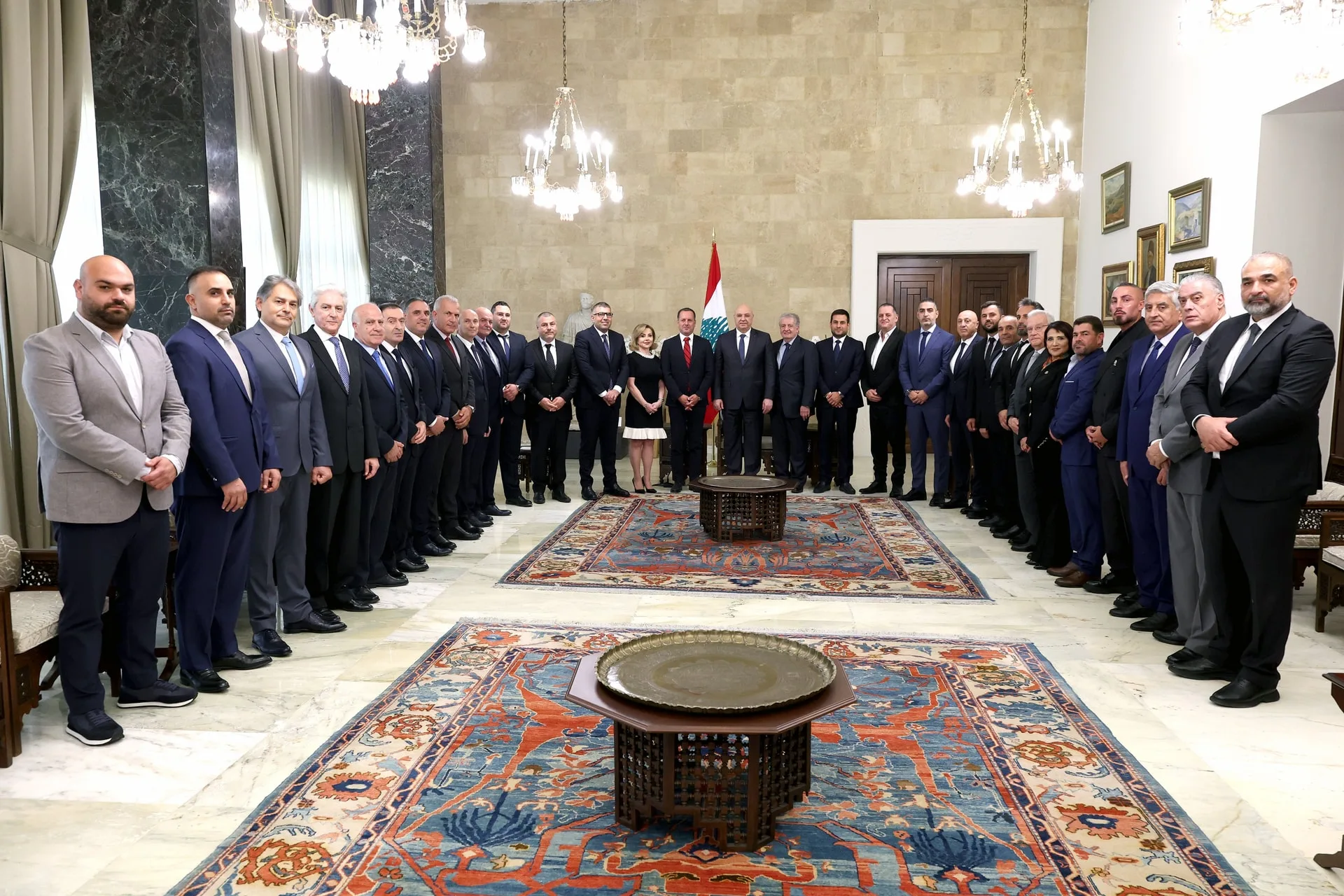
The Joint Parliamentary Committees held a session in the Parliament, chaired by Deputy Speaker of Parliament Elias Bou Saab. Bou Saab announced that Article One of the "General Amnesty" law, specifically excluding murder crimes, has been approved.

The Joint Parliamentary Committees held a session in the Parliament, chaired by Deputy Speaker of Parliament Elias Bou Saab.
Bou Saab said after the session: "Today I held a meeting with First Lady Neamat Aoun, who heads the National Commission for Lebanese Women's Affairs. There are some women in prisons, so there was special attention given to studying the situation of female inmates in prisons that are neither equipped nor suitable for women and men alike. The First Lady reviewed the law we are studying and listened to the commission's observations and opinion. We held this meeting today, and after extensive discussion of general matters, we moved into deliberation, meaning amending the explanatory memoranda. MP George Adwan, head of the Administration and Justice Committee, MP Melhem Khalaf, and the MPs who submitted this proposal and made amendments to the explanatory memoranda were tasked with this. There was an agreement on new explanatory memoranda, to be decided upon at the end of the law's approval."
He added: "Then we moved to the articles, and Article One, related to excluded murder crimes, was approved. The law does not include amnesty for killers. We approved Article One, which stipulates the use of the methodology that states "general amnesty" and what is excluded from it."
He continued: "We reached Article Two, related to those excluded from the general amnesty, crimes referred to the Judicial Council. We touched upon the issue of intentional or premeditated murder and all crimes related to the terrorism law, including the killing of civilians and military personnel, whether sentences have been issued or not. Then, the issue of crimes related to treason or espionage and crimes related to illicit contacts with the enemy. No one wants to grant amnesty for crimes of treason or those related to communication with the enemy."
Bou Saab pointed out that "a problem has been raised since the year 2000, regarding those who left Lebanon and went to the occupied territories. There is a law for which implementing decrees have not been issued, so we demanded that the Ministry of Justice do so, noting that today no one is moving towards exempting an agent or anyone who communicated with the Israeli enemy. It is out of the question to approve an amnesty for these individuals, meaning those who communicated with the enemy. Other pending matters are related to the issue of drugs."
He clarified that "there is a law that addressed the issue in the year 2011, but to this day, the Ministry of Justice has not issued its specific implementing decrees, so we demanded that the Minister of Justice work on issuing them."