·
·


Lebanon
Lebanese ministers of culture, media, education, and youth inaugurated a forum on social cohesion to promote citizenship and shared responsibility.

The forum titled "Social Cohesion: The State and Shared Responsibility" took place yesterday at the National Library - Al-Sanae’, organized by the Ministries of Education and Higher Education, Youth and Sports, Media, and Culture. The event aimed to foster dialogue on citizenship and social cohesion, reinforcing values of participation, belonging, and collective responsibility. Attendees included Minister of Culture Dr. Ghassan Salameh, Minister of Information Paul Marqos, Minister of Youth and Sports Nora Biraqdarian, Director General of the Ministry of Education Fadi Yarak, Chairwoman of the Educational Research and Development Center Dr. Hiam Ishaq, alongside cultural, academic, media figures, and participating students.
The ceremony began with the national anthem, followed by a welcoming speech from Haya Beitar, Director of the Social Cohesion Initiative, who stated:
"Our forum today is titled Social Cohesion: The State and Shared Responsibility because we believe that despite all differences and challenges, what unites us as Lebanese is far greater than what divides us. We gather because Lebanon today needs dialogue more than ever, to build trust and spaces that bring people together around one goal: building a cohesive, united society capable of facing its challenges together. Your presence here today is no coincidence."
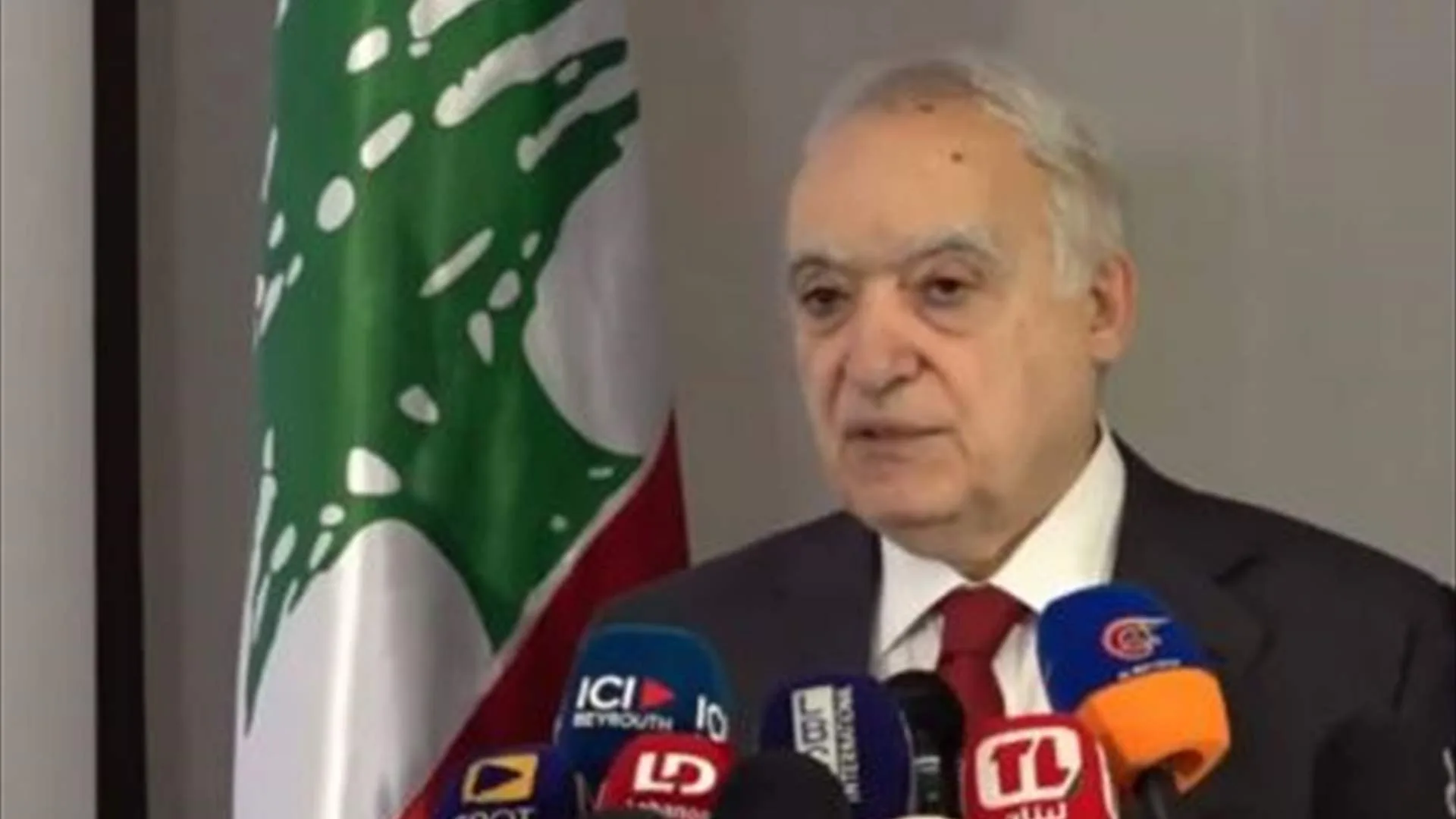
Minister Salameh opened his speech expressing pride and pleasure in hosting several of his cabinet colleagues, including the Minister of Information, the Minister of Education and Higher Education, and the Minister of Youth and Sports. He affirmed that the Ministry of Culture fully aligns with their project aimed at enhancing social cohesion, describing it as a necessary and timely initiative. He emphasized that his ministry considers itself an integral part of this national process.
Salameh outlined three primary roles of the Ministry of Culture in promoting social cohesion. The first involves preserving the national memory, both tangible and intangible. The ministry works to safeguard archaeological and heritage sites, especially during conflicts, citing recent efforts to protect sites in Tyre, Shaqif, Shama, and other areas affected by attacks. He added that the ministry’s responsibility extends beyond protecting historical monuments to include preserving oral memory and the social history of the Lebanese people.
He recalled initiatives held on the 50th anniversary of the civil war’s outbreak, which gathered researchers, artists, photographers, and officials, including the Prime Minister and several ministers, to acknowledge the tragedies of that period and emphasize the need to overcome them and build a different future. He also mentioned an event marking the fifth anniversary of the Beirut port explosion, which served as an occasion to recognize the state’s responsibility for the negligence that caused the disaster.
Salameh confirmed that the ministry continues to preserve national memory at various historical and archaeological sites, from Tyre and Baalbek to the Qadisha Valley, alongside documenting Lebanese history in all its stages.
The second role, according to Salameh, is supporting economic recovery through cultural and creative industries. He explained that these industries contribute approximately 6.5 percent to the national economy and provide livelihoods for about 115,000 Lebanese families.
He noted that the ministry is working to expand markets for Lebanese cultural products and assist creators and producers in exporting and accessing new markets. He stressed that cultural industries do not cause environmental pollution nor require rare raw materials, and Lebanon benefits from a qualified human base.
The third role Salameh identified is maintaining a lively public discourse and protecting the space for free dialogue, affirming that Lebanon still enjoys a wide margin of freedom of thought and expression.
He concluded by assuring that the ministry will continue efforts to strengthen social cohesion, consolidate national unity, and safeguard freedom of expression.
Minister of Youth and Sports Nora Biraqdarian delivered a speech presenting her ministry’s vision for enhancing social cohesion through youth activities and programs, praising the efforts of First Lady Neemat Aoun in cooperation with the Ministry of Education.
She explained that the ministry adopted a new approach based on the concept of "responsible citizenship" and launched an initiative involving more than 250 young men and women.
Biraqdarian highlighted that discussions identified ten key themes, including digital, environmental, and social citizenship, noting that these themes align with the goals of social cohesion.
She affirmed the ministry’s objective to engage all Lebanese citizens, promote national partnership, and reinforce social cohesion, indicating that youth opinions will be incorporated into the national plan.
Minister of Information Paul Marqos thanked the Minister of Culture for hosting the forum, emphasizing that Lebanese diversity must remain a source of richness.
He pointed out that the ministry’s role has expanded beyond traditional media to address challenges related to social media platforms.
Marqos explained that the ministry is working on a new media law project, which includes regulating websites and combating hate speech and incitement.
He confirmed that the ministry launched awareness campaigns against misinformation in cooperation with international organizations and established a Fact Check department.
He concluded by urging verification of news and respect for freedom of expression.
Minister Karamy praised the initiative uniting ministries around social cohesion, stressing that schools are central to educational work.
She noted that the Ministry of Education is working to enhance student participation in school life and involve them in decision-making processes.
Karamy emphasized that schools must be spaces for learning, values, and coexistence, with new curricula aimed at preparing active citizens.
She concluded by underscoring the importance of partnerships and developing a comprehensive educational environment that promotes social cohesion.