·
·


Lebanon
US and Iran agree to create a "de-escalation cell" in Lebanon to maintain the ceasefire, facilitated by Qatar and Pakistan, amid unclear Israeli approval.

Following a full day of talks between the United States and Iran in Switzerland, negotiators reached an agreement to establish a "de-escalation cell" in Lebanon aimed at ensuring the ceasefire holds. This initiative is being facilitated by Qatar and Pakistan, according to CNN.
Iranian Foreign Minister Abbas Araghchi described the mechanism as the "first real test" of this effort. Notably, Israel was not mentioned in the joint statement regarding the mechanism, and it remains unclear whether Prime Minister Benjamin Netanyahu has consented to the proposal.
Regarding potential clashes with the Lebanese army, CNN reported that during a press conference on Monday, a spokesperson from Netanyahu’s office did not acknowledge the existence of this mechanism. David Minster stated, "Israel is not a party to this memorandum (of understanding) nor to the negotiations with Iran."
Details about the "de-escalation cell" remain limited, but the apparent objective is to prevent inadvertent confrontations between the Israeli military and the Lebanese army. This follows an Israeli airstrike earlier this month that killed a general and several other Lebanese officers, after which the Israeli military indicated that movements in the area "require coordination."
CNN’s report noted that similar mechanisms have been seen previously in Syria. In 2015, the United States and Russia established a de-confliction line to keep their respective forces separate. Around the same period, Israel set up a comparable line with Russia, though those arrangements involved armies seeking to avoid unintended clashes.
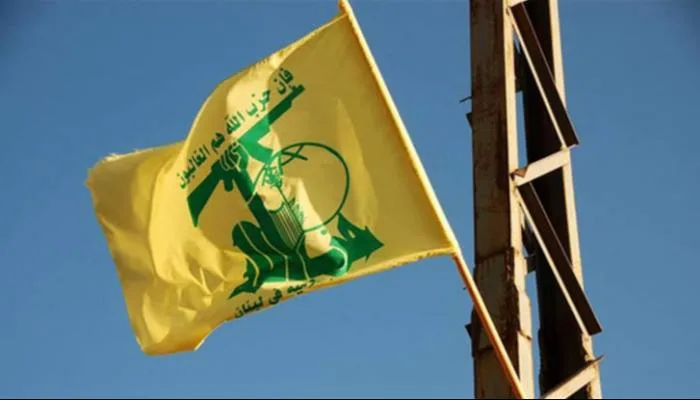
On the other hand, direct hostilities between Israel and Hezbollah militias do not lend themselves to a de-escalation mechanism. Instead, they require mutually agreed conditions to end the conflict, an agreement that currently does not exist between Israel and Hezbollah.
CNN also highlighted that after the ceasefire in Lebanon in November 2024, the United States and France created a monitoring mechanism led by an American general. This was intended to open communication channels between the Israeli and Lebanese armies and paved the way for civilian-level discussions. However, this mechanism ultimately proved ineffective in decisively ending the conflict.