Lebanon
Rai: Yes to Peace... Shielding Lebanon from War is a National Responsibility
Maronite Patriarch Cardinal Bechara Boutros al-Rai presided over Sunday Mass at Bkerke, emphasizing that protecting Lebanon from war is a major national responsibility and calling for peace.

Maronite Patriarch Cardinal Bechara Boutros al-Rai presided over the Sunday Mass at the Church of Our Lady in the Patriarchal Residence in Bkerke. He was assisted by Bishops Antoine Choukr, Antoine Charbel Tarabay, the Patriarch's Private Secretary Father Fadi Tabet, and the Patriarch's Special Secretary Father Camilleo Mikhail, with the participation of a group of bishops, priests, and nuns, in the presence of a crowd of dignitaries and believers.
After the Holy Gospel, Patriarch Rai delivered a sermon titled "You are the Christ, the Son of the Living God" (Matthew 16:16), stating: "With Peter's declaration of faith in Christ, we celebrate the Feast of the Dedication of the Church and the beginning of the liturgical year 2026–2027. Just as the earth revolves around the sun through four seasons, deriving light and heat from it, so too does the Church revolve around its sun, Christ, through liturgical times, deriving light, grace, and life from Him.
In the regions of Caesarea Philippi, Jesus gathered his disciples and listened to what people said about him. Opinions varied between those who saw him as John the Baptist, Elijah, Jeremiah, or one of the prophets. But Simon Peter surpassed them all and declared with firm faith: 'You are the Christ, the Son of the living God' (Matthew 16:16). Jesus blessed him, revealing that this answer was not the fruit of human knowledge, but a gift of faith from the Heavenly Father. Then he said to him: 'You are the rock, and upon this rock I will build my church, and the gates of hell shall not prevail against it' (Matthew 16:18), and entrusted him with the keys of the Kingdom of Heaven for binding and loosing, and full responsibility for caring for the Church (Matthew 16:19).
He continued: "I am pleased to welcome you all, participants with us in this Divine Sacrifice, as we celebrate the Feast of the Dedication of the Church and open a new liturgical year. We raise our prayers for our families, youth, sick, elderly, and children scattered across the world, hoping that this year will be a blessed time for renewing faith, growing in holiness, and steadfastness in love and hope. Along with renewing our call to deepen our faith, sanctify our lives, and strengthen our unity, so that the Church remains in its members and mission a living sign of Christ's presence and love in the world. However, how painful it is for us the murder of our dear Father Samir Daou, one of the priests of the beloved Jbeil Diocese. Today, we join the Bishop of the Diocese, His Grace our brother Bishop Michel Aoun, the diocesan priests, the family of the late Father Samir, and all believers who gather today to pray for his soul. We join them in prayer and deep condolences, demanding complete justice. Today's Gospel places before us two essential truths in the life of the Church: Faith in Christ upon which the Church stands, and Holiness derived from Him and the Holy Spirit.
Peter's declaration: 'You are the Christ, the Son of the living God' is an acknowledgment of the faith that unites believers around Christ, Lord and Savior. Upon this apostolic faith, Christ established His Church, saying to Peter: 'You are the rock, and upon this rock I will build my church' (Matthew 16:18).
He added: "The Lord entrusted Peter with the service of the unity of the Church and strengthening his brothers in faith. Christ is its solid foundation, from whom it derives its life and mission. As for His promise that 'the gates of hell shall not prevail against it,' it confirms that trials and persecutions, however severe, cannot destroy the Church He founded, because He is present in it and faithful to His promise. On the Feast of the Dedication of the Church, we contemplate the holiness of the Church, whose oneness, holiness, catholicity, and apostolicity we profess. It is holy because Christ, its head and founder, is holy, and because the Holy Spirit dwells within it and works to sanctify its children.
This holiness is manifested in the Virgin Mary, Mother of God and Mother of the Church, in all the saints whose feast we celebrate today, and in every believer who lives the Gospel faithfully. However, the holiness of the Church does not mean that its children are free from sin; it includes humans who need repentance, forgiveness, and spiritual renewal. Therefore, Christ entrusted it with the seven holy sacraments, making them springs of grace and sanctification. On the Feast of the Dedication of the Church, along with the start of a new liturgical year, the image of the rock carries a deep national meaning: The building that endures is the one built on a solid foundation, just as nations are not protected by transient compromises or temporary solutions, but by clarity of reference, stability of institutions, and the rule of law.
He further stated: "Shielding Lebanon from the danger of being dragged into a new war constitutes today a major national responsibility. Amid regional tensions and possibilities open to escalation, preserving Lebanon, away from wars that exceed its borders and the interests of its people, becomes a national issue in itself. Lebanese people cannot bear a new war, and they say: Yes to peace. We want the peace that preserves human dignity and maintains national sovereignty, and we reject the war that leaves nothing but destruction, displacement, and tragedies. The decision of war and peace is a national responsibility that does not tolerate multiple references, because the fate of the Lebanese cannot be subject to fragmented decisions. The unity of decision and the monopoly of arms by the state and its legitimate institutions are among the foundations of sovereignty and stability, and among the basic guarantees for protecting the homeland and its citizens. This is linked to the border file and internal protection. The repeated attempts to smuggle weapons, such as the truck in Dahr el-Baidar, threaten civil peace and constitute a crime threatening the safety of citizens, security, and stability. In these days, the phenomenon of land purchases increases, through brokers exploiting the difficult economic situation. Land is a gift from God, to be a space for free and dignified living, sincere witness to Christ, and healthy human interaction in coexistence. Therefore, land ownership must be preserved and not sold, as it is an inheritance from fathers and ancestors, akin to a precious deposit and sacred treasure. Land constitutes historical, social, and political identity, so it must be preserved and invested in various ways except selling it.
He said: "Confronting high prices remains one of the most urgent issues. People face a continuous rise in the cost of living and services, pressure on salaries and purchasing power, while taxes, fees, and burdens accumulate on them. The state is measured by what it provides to citizens in terms of service, justice, and protection, not only by what it collects from them; the citizen is not the easiest link always charged with the cost of failure. In all these files, the image of the rock given to us by the Gospel returns. Lebanon lacks the solid foundation that makes the state buildable and sustainable, it lacks one law, one decision in existential issues, protected borders, functioning institutions, and justice that does not make the citizen the first to pay the price and the last to receive his right. At the beginning of this new liturgical year, the Feast of the Dedication of the Church carries a meaning that transcends the walls of churches. Just as the Church stands on the rock of faith and steadfastness, so too does national life need constants that do not change with every crisis. Truth is not built on compromise, sovereignty is indivisible, institutions do not stand with exceptions, and serving humanity is not a secondary item in the life of the state.
Rai concluded: "Let us pray, dear brothers and sisters, so that God blesses the new liturgical year, and grants us from its holiness the grace of sanctifying our lives. To Him be glory and thanks forever, Amen.
After the Mass, Rai received the believers participating in the Divine Sacrifice.
Latest news
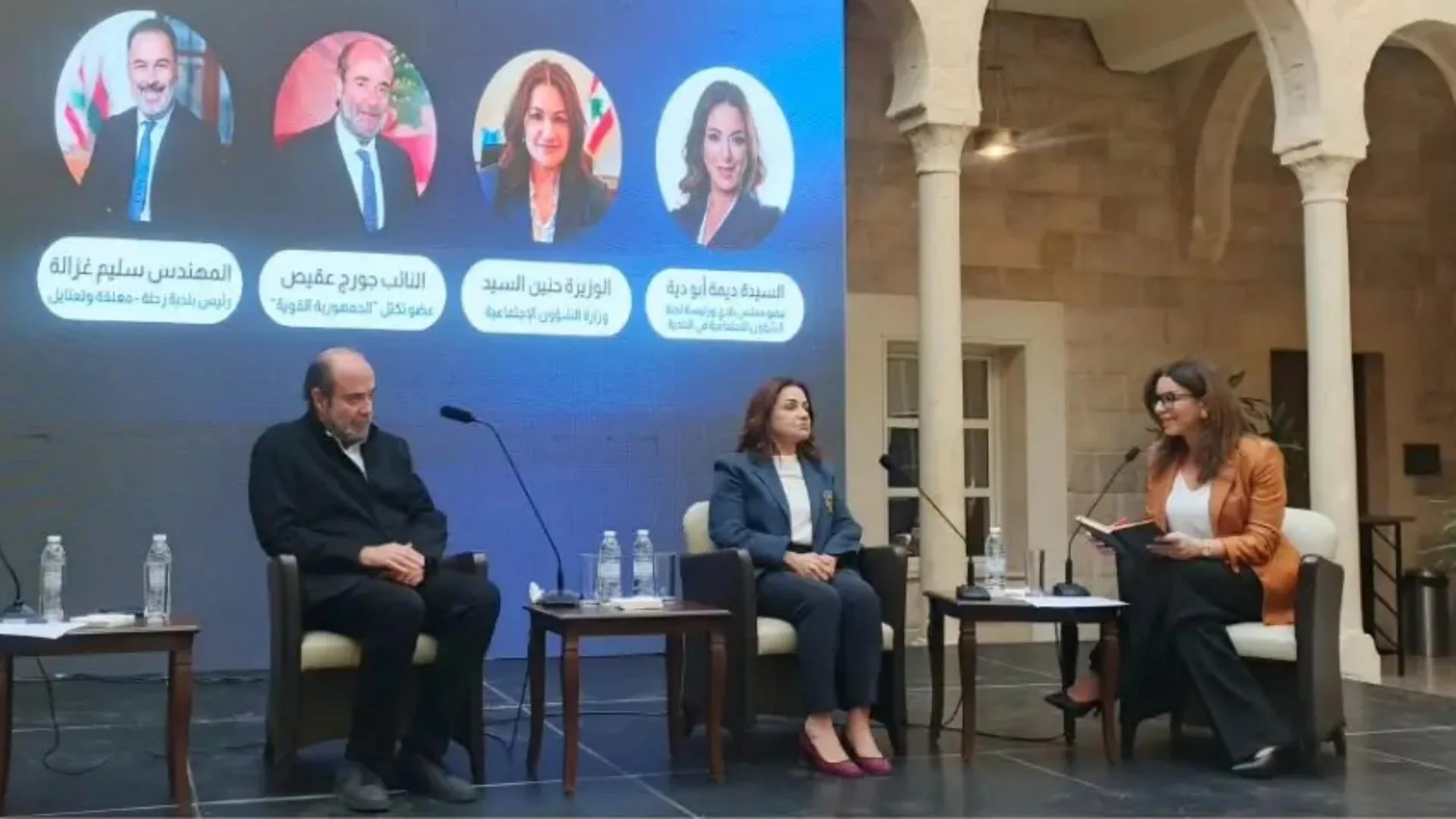
Minister of Social Affairs Visits Zahle to Discuss Strengthening Development Partnerships
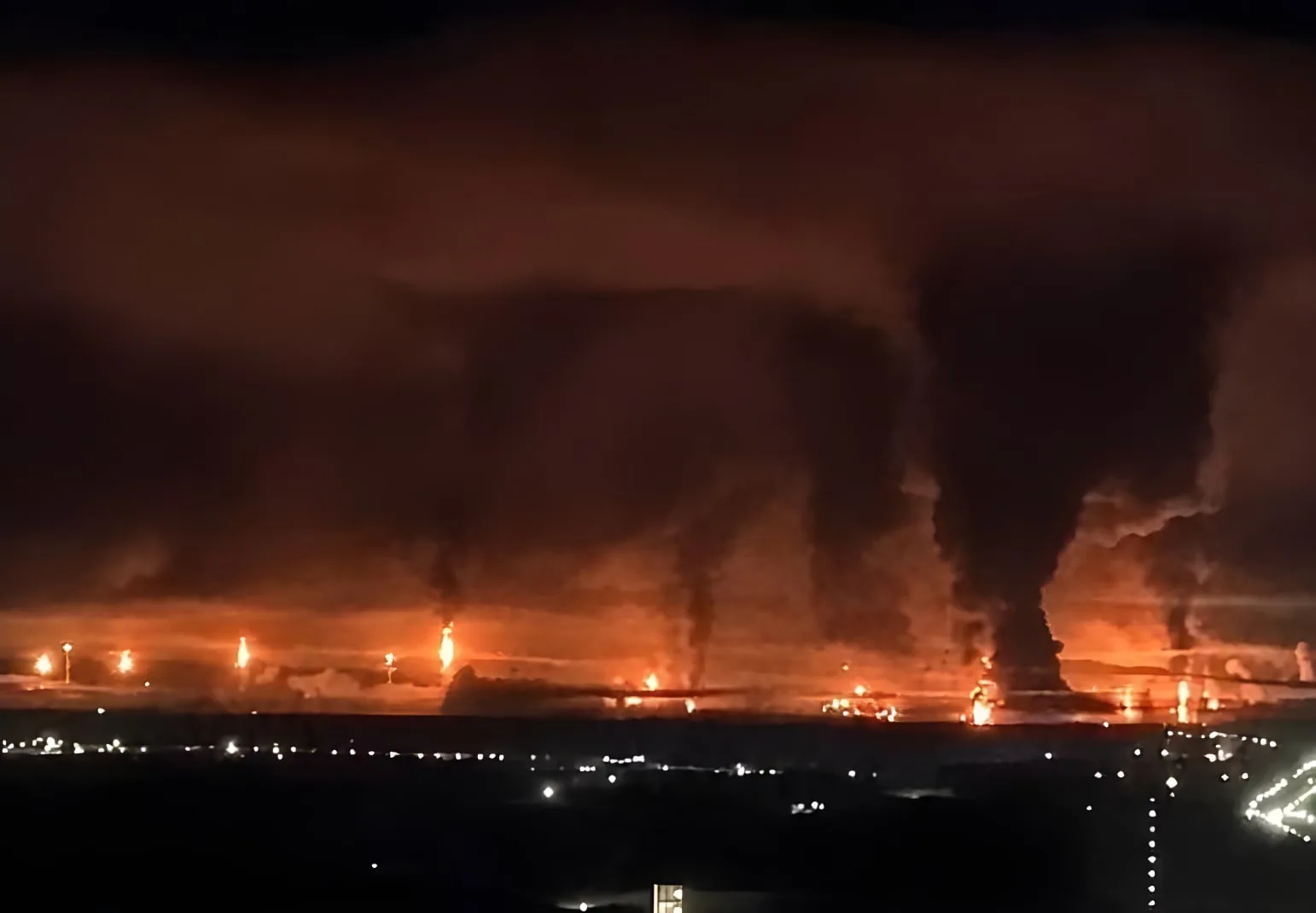
Russia Opens Terrorism Investigation After Ukrainian Drone Attack

"The Final Call": Will Mediation Break the Iran War Deadlock Before November 3?