World
"The Final Call": Will Mediation Break the Iran War Deadlock Before November 3?
Iran reviews US proposals to end hostilities via Qatari mediation, seeking guarantees against resumed strikes amid disputes over nuclear program and Hormuz navigation.

A source close to the White House told "Erem News" that Tehran is reviewing American proposals related to ending the war, coinciding with the continued exchange of messages through Qatari mediation, amidst indications of both parties' desire to keep the diplomatic track open, despite widening disagreements regarding the nuclear program and the future of navigation in the Strait of Hormuz.
The source clarified that Iran has formed specialized committees to review the American proposals and assess their implications for the nuclear file and security arrangements, at a time when mediators are seeking to bridge views on the steps required to move toward broader negotiations.
The source added that the Iranian delegation present in the Qatari capital, Doha, insists on obtaining clear guarantees ensuring a permanent and comprehensive cessation of the war, and the non-resumption of military strikes after reaching any understanding, considering that Tehran does not want to make concessions related to the Strait of Hormuz or its nuclear program without reciprocal commitments from Washington.
He noted that the disagreement concerns not only the content of the potential agreement but also the sequencing of implementing its clauses, and whether it is necessary to begin with halting operations, lifting maritime restrictions, and easing sanctions before moving to discuss nuclear details.
The source indicated that the coming days may reveal the extent of both sides' readiness to offer mutual concessions, especially with increasing economic pressures resulting from disrupted shipping movements and rising energy prices, in addition to the approaching US midterm elections on November 3.
He pointed out that President Donald Trump's administration wishes to test opportunities for reaching a political understanding before the repercussions of the confrontation widen, while Tehran tries to ensure that any temporary agreement does not turn into a truce allowing the resumption of military operations later, emphasizing that talk of a breakthrough remains linked to the extent of consensus on guarantees and implementation mechanisms.
In the latest development in negotiations, Iranian negotiators met with Qatari mediators in Doha on Saturday, October 31, following more than 12 hours of talks in Tehran, as part of efforts to avoid a renewed confrontation after the US elections.
According to Reuters, Qatar proposed a sequence of confidence-building steps over seven days before moving to broader talks, but Tehran considered the proposal unsatisfactory and offered a counter-vision including lifting the US naval blockade on its ports and releasing frozen assets, alongside arrangements concerning the navigation route in the Strait of Hormuz before reopening it.
No final date for negotiations; military option undecided
In this context, US Secretary of State Marco Rubio issued a series of statements regarding the Iranian file, confirming that Washington still prefers a diplomatic solution but retains all options, including military action, if negotiations do not address American concerns.
Rubio said, in remarks made on the sidelines of the G20 foreign ministers' meeting in Atlanta on Saturday, that President Donald Trump has not set a final timeframe for the talks, nor has he made a decision regarding carrying out new military strikes against Iran, noting that the US administration is open to any diplomatic settlement that does not threaten US security and interests.
The US Secretary of State stressed that his country will not accept Iran possessing nuclear weapons, confirming that Washington has the necessary capabilities to achieve its military objectives if this option is decided upon, but clarified that Trump prefers reaching a solution through negotiation and does not treat the decision for war as easy or settled.
Regarding maritime passages, Rubio warned of Iranian threats targeting ships and energy infrastructure in the region, calling for guaranteeing freedom of navigation in the Strait of Hormuz and Bab el-Mandeb, noting that international cooperation in protecting shipping traffic remains limited, and that the greatest burden falls on the United States.
Latest news

17 Cases of Food Poisoning in Halba Due to Éclair Pastries

South Lebanon Water Authority Responds to Electricity Company: Paid 1.775 Billion LBP, Awaiting Compensation for Exemptions
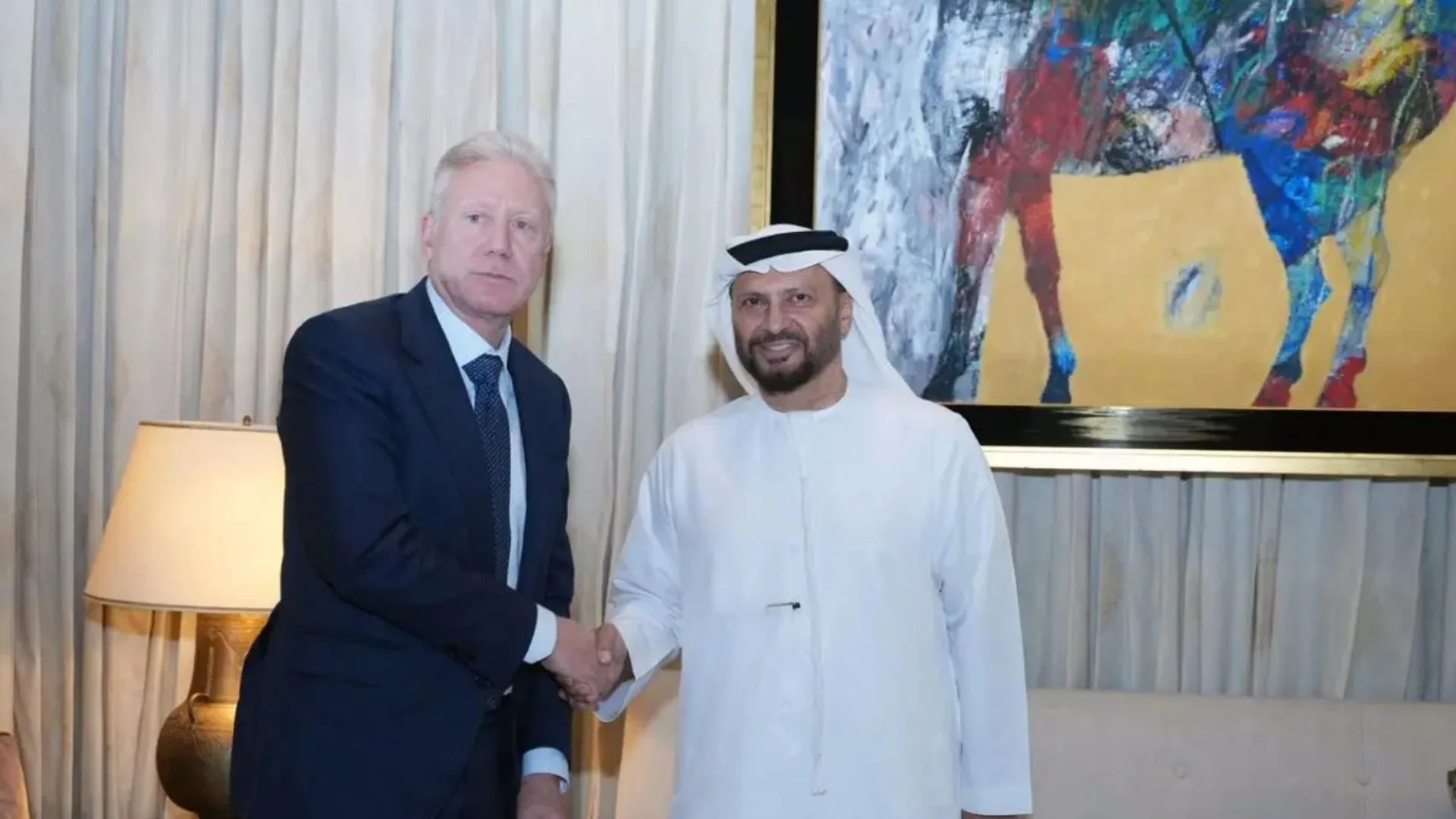
Raji Meets Qarqash on the Sidelines of Manama Dialogue and Reviews Situation in Lebanon