·
·


Lebanon
President Donald Trump congratulated Lebanese President Joseph Aoun on the US-brokered framework agreement with Israel, affirming ongoing support for Lebanon's sovereignty and security.

In a demonstration of renewed American focus on Lebanon's affairs, President Joseph Aoun received a phone call late Saturday from US President Donald Trump. Trump congratulated Aoun on signing the framework agreement between Lebanon and Israel, which was facilitated under US auspices. He assured that the United States would exert all efforts to support Lebanon’s sovereignty, independence, territorial integrity, and the extension of state authority through its armed forces across Lebanese lands. Trump also reiterated his backing of Aoun’s positions and the government’s decisions, affirming US contributions toward strengthening Lebanon’s economy and legitimate security forces to help Lebanon reclaim its leading role regionally and globally. The call concluded with Trump indicating an upcoming meeting with President Aoun in Washington.
President Aoun expressed gratitude for Trump’s supportive stance toward Lebanon, its legitimate authority, constitutional institutions, and security apparatus, especially the army. He emphasized Lebanon’s commitment to implementing the framework agreement and hoped the United States would help prevent any violations of the accord and ensure fulfillment of all agreed obligations. Aoun specifically called for US pressure on Israel to withdraw from occupied southern territories to facilitate the Lebanese army’s deployment up to the international borders.
Domestically, since the signing of the trilateral framework agreement in Washington, accusations of treason, threats, and warnings have persisted. On the “Resistance Axis” front, multiple spokespersons have maintained a uniform message condemning the state’s historic step with hostile rhetoric, describing the agreement in harsh terms.
While Arab and global leaders sent congratulatory messages to President Aoun, Prime Minister Nawaf Salam, and Foreign Minister Youssef Reji, Speaker of Parliament Nabih Berri viewed the framework agreement as a potential source of discord. Hezbollah’s Secretary-General Sheikh Naim Qassem labeled it a “humiliation and disgrace,” and Hezbollah parliamentary bloc leader MP Mohammad Raad described it as “ominous, rejected, and a cawing of an owl in Lebanon and the region.”
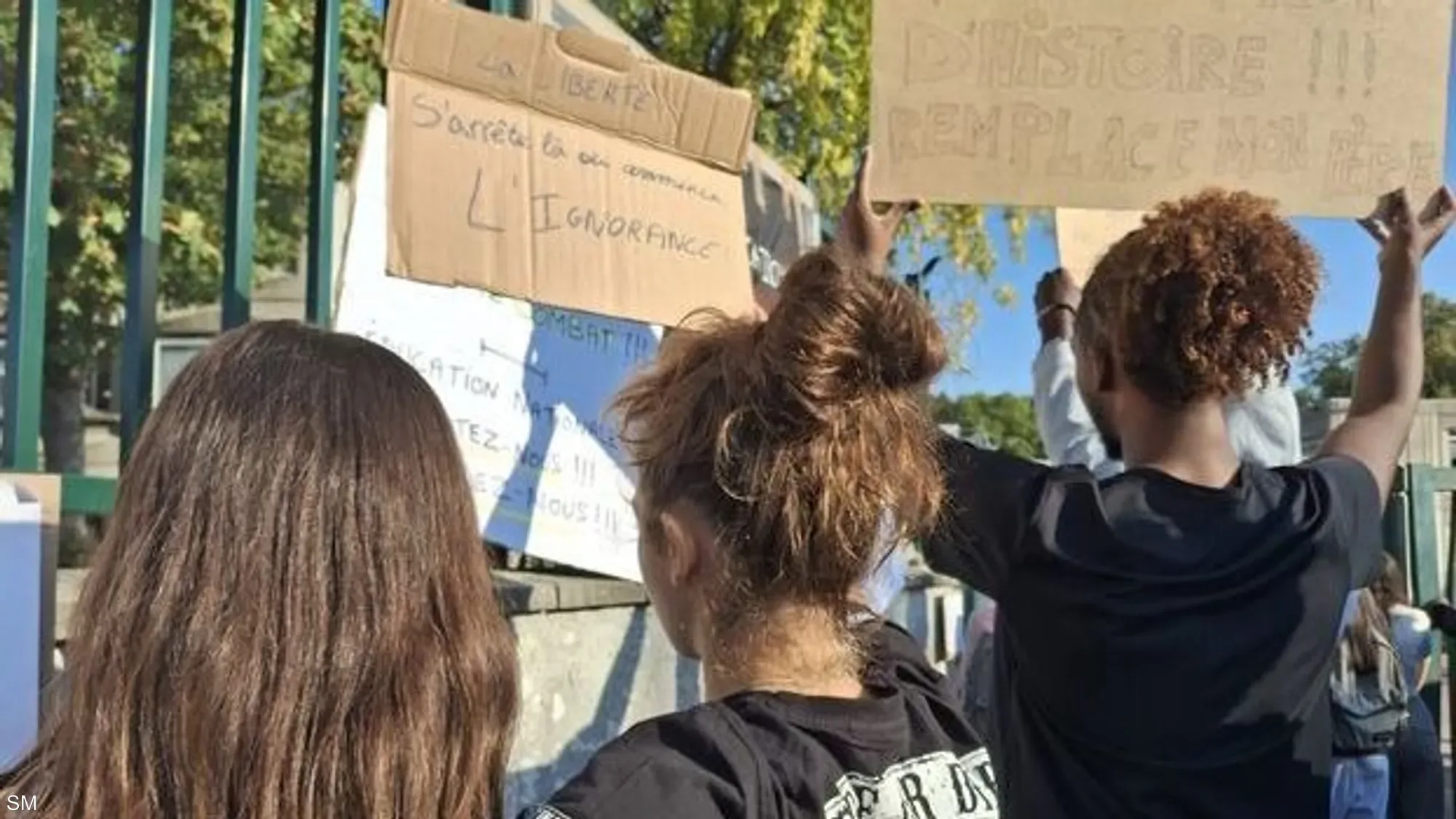
This verbal escalation coincided with modest street demonstrations, which the Lebanese army quickly suppressed to prevent expansion. The military issued a statement affirming its respect for peaceful freedom of expression but warned it would not tolerate any breaches of security or disturbances to civil peace through uncontrolled actions.
The army’s handling of street protests received widespread praise from social media activists, similar to the removal of “Thank you Iran” banners at the airport, replaced by signs reading “Lebanon First” and “Lebanon Unites Us.” These actions exemplify the state’s determination to assert its authority throughout Lebanese territory despite attempts to marginalize it and keep it under Iran’s influence.
A political source following developments told Nidaa Al-Watan that opposition from the “Resistance Axis” to the framework agreement was expected, at least for their base, which bore the heaviest toll in the support wars through death, destruction, and devastation. However, the source found it surprising that all parties rejecting the agreement outright and accusing the presidency and government—including one or more ministers in the cabinet—demonstrate contradictory standards and incomprehensible inconsistencies.
The source further expressed astonishment that these parties, supposedly Lebanese and concerned with the country’s interests, oppose Lebanese state decisions and refuse to acknowledge the legitimacy of its sovereign choices. Yet, they simultaneously prefer to build upon the outcomes of US-Iranian negotiations and even endorse any agreement resulting from them if it satisfies Iran. Their primary objective remains preserving Iran’s role in Lebanon, which the Lebanese authorities seek to end while maintaining the peace process despite accusations and threats.
In Israel, Prime Minister Benjamin Netanyahu praised the framework agreement with Lebanon, calling it a “historic” achievement that dealt a blow to Iran and Hezbollah. Meanwhile, Israeli Defense Minister Yisrael Katz stated he had instructed Netanyahu and the Israeli army to prepare for a prolonged presence in the security zone extending up to ten kilometers inside Lebanese territory.
Concurrently, the Israeli army announced that on Saturday it conducted an airstrike targeting suspected armed individuals in the Nabatieh area of southern Lebanon.
The strike in Upper Nabatieh resulted in one fatality and two injuries, according to the Lebanese Ministry of Health.
Regionally, the United States and Iran exchanged accusations over violations of a memorandum of understanding signed the previous week. These tensions followed US strikes on Iranian sites after an attack on a cargo ship in the Strait of Hormuz on Friday, with Iran responding by targeting Gulf countries.
Bahrain reported being targeted by several Iranian drones, accusing Tehran of “undermining peace efforts.”
Nidaa Al-Watan