Lebanon
Yassin Jaber Calls for Linking International Support to Reform Implementation at Bosphorus Summit
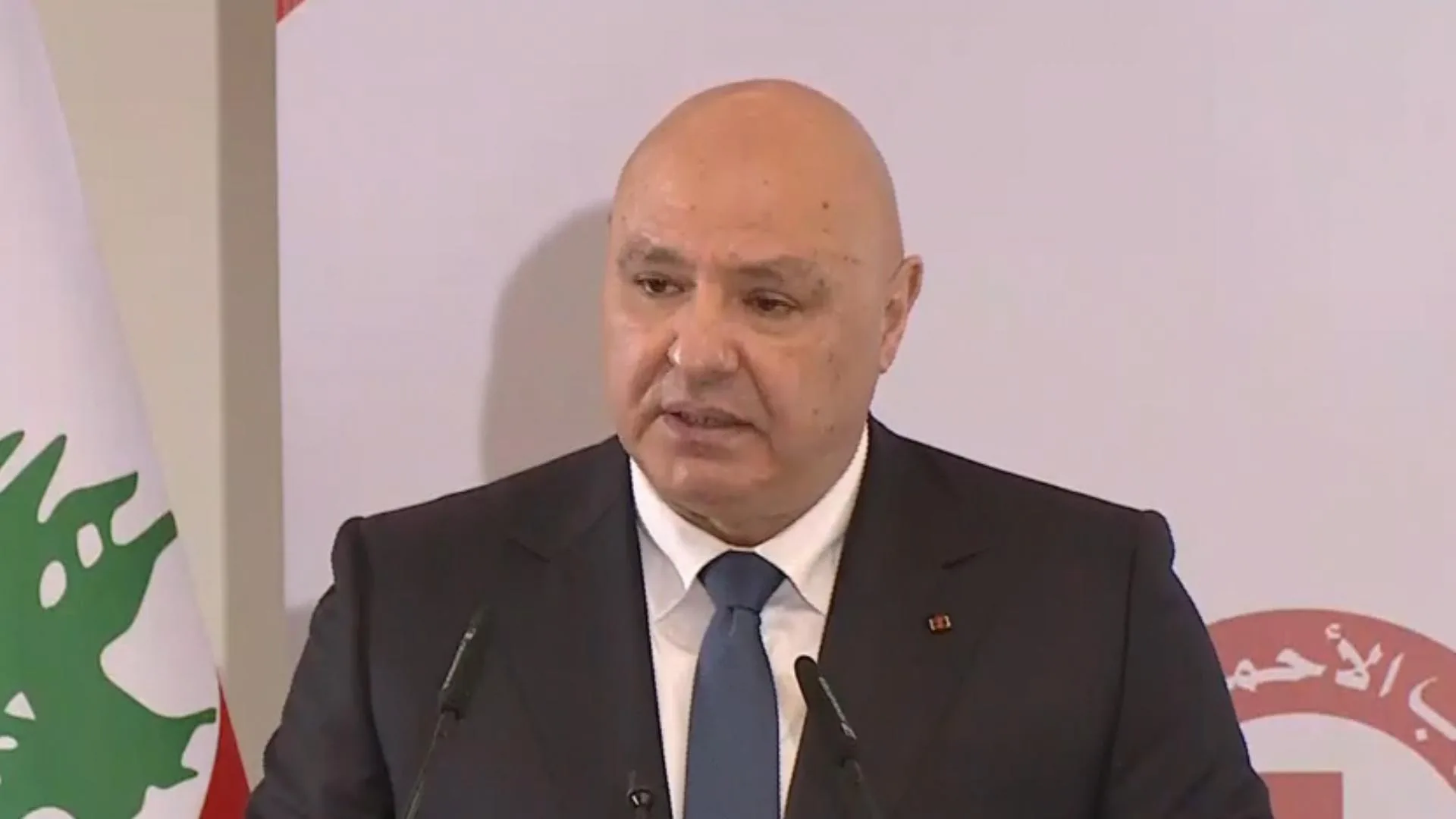
Lebanese Finance Minister Yassin Jaber emphasized the need to link international financial support with tangible reform implementation during his address at the 17th Bosphorus Summit in Istanbul.

Finance Minister Yassin Jaber continues his participation in the proceedings of the 17th Bosphorus Summit, held in Istanbul under the theme "Global Transformation and the Search for Stability," organized by the International Cooperation Platform, with the participation of heads of state and government, ministers, experts, and representatives from the private sector from various countries around the world.
In his speech, as the Lebanese Minister of Finance, within the discussions on the "Global Financial System," Jaber affirmed that "international financial cooperation must be measured not only by the volume of resources it makes available, but by the effectiveness of converting them into investments and concrete results on the ground." He stressed that "delayed support may deepen crises and increase the cost of recovery, and that announcing reforms does not substitute for implementing them." He clarified that "the problem facing many countries is not limited to securing financing, as funds may be available in principle, reforms are underway, and investment needs are clear, yet transforming these elements into productive projects takes many years." He pointed out that "the gap between pledged funds and money entering actual use is where many recovery paths slow down, and their costs increase when the economy is under pressure and the margin for government spending is limited."
He also noted that "conflicts and external shocks quickly reflect on public finances, through disrupting trade, raising energy and transport costs, and reducing economic activity, while governments are forced to ensure the continuation of services and respond to additional social needs. Thus, the need for public spending increases at a time when revenues are under pressure."
He stressed "the importance of international financial support in facing these conditions," considering that "the fundamental question is the ability of countries to obtain it in a timely manner, and the extent of integration among different funding sources, because delays and poor coordination may make situations more difficult." He pointed out that "the receding of direct pressures does not necessarily mean the restoration of economic activity, as banks may remain unable to lend and the return of investments may be delayed, coinciding with growing risks outside the traditional banking sector, which require addressing without cutting off financing to institutions capable of growth."
He affirmed that "the financial crisis revealed serious shortcomings in local policies and institutions, and that the responsibility for addressing them lies with Lebanon itself," clarifying that successive shocks and the repercussions of conflict have made this task more difficult, but they do not negate internal responsibility for reform." He noted that "the draft budget for 2027 falls within a medium-term fiscal framework, aiming to maintain fiscal discipline and enhance revenues through improving tax compliance, increasing administrative efficiency, and expanding the tax base, without introducing new taxes." He indicated "continuing work on updating the tax and customs administrations and improving public finance management, which enhances the state's ability to manage its resources with credibility." He affirmed that "these measures, despite their importance, are not sufficient alone to restore normal financing to the economy," stressing that "reforming the banking sector remains essential, alongside translating investment priorities into executable projects." He said: "We realize that the ultimate criterion is implementation, not merely announcing reforms."
He explained that "fiscal discipline is a condition for sustaining confidence, but sound public finances do not automatically lead to effective electricity networks, reliable transport services, or providing financing to businesses. Achieving these results requires institutions capable of preparing projects, distributing risks prudently, conducting procurement and tendering transparently, and monitoring implementation until completion."
Jaber identified two main challenges: obtaining support when needed and using it well after it arrives, calling for early engagement of funding institutions and improved coordination among them, in parallel with credible local policies and appropriate guarantees. He showed that agreeing on financing is only the beginning, as projects may stall due to incomplete preparation, ambiguity of responsibilities, or lengthy procurement and tendering procedures, requiring addressing these gaps internally, accompanied by financing arrangements that consider actual risks.
Regarding the prospects of the Lebanese economy, he considered that "regional integration constitutes an important opportunity, and improving links with neighboring countries in transport, energy, and trade can open new areas for business and investment." He stressed that "the success of this path requires, in addition to infrastructure, coordination among countries, clear and stable rules, and financially sustainable projects."
He also affirmed that "Lebanon is working to strengthen its anti-money laundering system and meet the requirements of the Financial Action Task Force (FATF) action plan, in parallel with the necessity of ensuring access for legitimate businesses to reliable banking and payment channels, considering that the integrity of the financial system and accessibility to its services are complementary goals that reinforce each other.
Jaber concluded by affirming that "international support does not constitute an alternative to internal reform, and that Lebanon faces difficult work, particularly in the banking sector, but timely support and coordinated cooperation make this work more effective," saying: "For Lebanon, this means proceeding with our reforms until they are completed, and turning investment plans into projects that actually move towards implementation. This is the test we set for ourselves."
Meetings
On the sidelines of the summit's proceedings, Minister Jaber held a series of meetings, including with Jordanian Senate President Faisal Al-Fayez, with whom he discussed ways to enhance cooperation between Lebanon and Jordan, and with the Nigerian Minister of Finance, where financial and economic cooperation was discussed, and an agreement was reached for Minister Jaber's visit to Nigeria. He also met with a number of Turkish investment company owners, discussing with them prospects for commercial and investment cooperation and opportunities available in Lebanon.
Latest news
"No Details": Kremlin Responds to Trump's Announcement of Broad Europe-Wide Deal

Netanyahu Responds to Trump's Decision: We Used Weapons in Defense of America

Berri Calls for Joint Session of Finance and Administration Committees on Construction Laws and AI