·
·


Miscellaneous
Scientists have identified hybrid pigs with enhanced reproductive abilities in Fukushima's exclusion zone, resulting from breeding between escaped domestic pigs and wild boars, posing significant environmental risks.

Following the 2011 Fukushima nuclear disaster triggered by a 9.0 magnitude earthquake and subsequent tsunami, scientists have reported the appearance of hybrid pigs in the affected area exhibiting accelerated reproductive cycles. These animals, described as "super pigs," originate from the interbreeding of escaped domestic pigs and wild boars inhabiting the exclusion zone.
After the disaster, farmers abandoned their livestock, leaving thousands of domestic pigs to escape damaged or open enclosures. These pigs migrated into the surrounding forests and abandoned farmlands, where they began mating with wild boars roaming the area without human presence or hunting activity.
Researchers from Hirosaki University conducted DNA analyses on 191 pigs sampled between 2015 and 2018. Their findings revealed that hybrids descending from domestic pig mothers contained significantly less domestic pig DNA than anticipated. This reduction results from rapid generational turnover and repeated breeding with wild boars, diluting domestic pig genetic markers while preserving the accelerated year-round reproductive cycle inherited from domestic ancestors.
The hybrids genetically resemble wild boars but maintain the domestic pigs' ability to reproduce continuously throughout the year, unlike wild boars which have defined breeding seasons. Scientists warn that this reproductive trait may explain the uncontrolled population growth of hybrid pigs observed in various countries including the United States, Canada, and Europe.
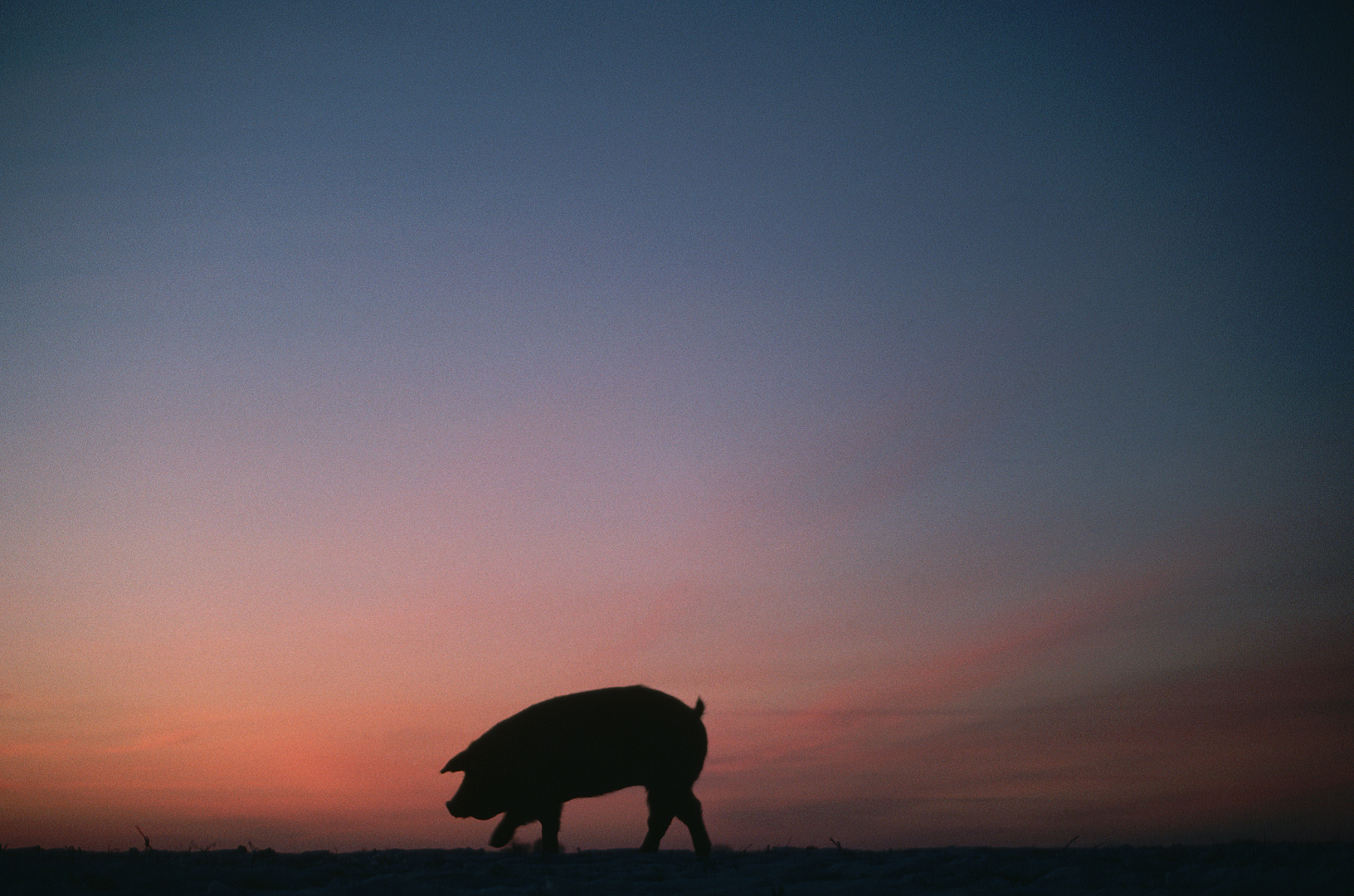
Wild boars are known for their environmental impact, including crop destruction, disease transmission, habitat degradation, and predation on small animals. The researchers emphasized that the hybrids did not arise from radiation-induced mutations but rather through natural hybridization facilitated by the post-disaster conditions—namely, the absence of humans, animal escape, and extensive abandoned land.
Dr. Anderson, a study participant, stated, "We believe the rapid, year-round reproductive cycle is the key factor." Professor Shingo Kaneko added that understanding this mechanism could assist wildlife officials in forecasting future population surges and improving invasive species management strategies.