·
·


Miscellaneous
A Russian media expert described the animated series "Masha and the Bear" as part of global popular culture, responding to UK lawmakers' calls to ban the show.

Ivan Kudryavtsev, Deputy General Director of the Russian Digital Television Group for Cinema Affairs, characterized the Russian animated series "Masha and the Bear" as an element of popular culture. He made these remarks in response to British parliamentarians' demands to ban the series.
In an interview with the Russian news agency TASS, Kudryavtsev stated that attempts to restrict the show's broadcast would not hinder its global success, as the project has already become part of worldwide popular culture. He described "Masha and the Bear" as the most successful global artistic project among all creations by Russian animators and identified it as a Russian brand that has gained international recognition.
Kudryavtsev explained that children cannot be deceived; they want to watch the series regardless of their nationality. They appreciate the kind and gentle bear who seeks rest like a human and enjoy Masha's playful character. He added that viewers see reflections of their own lives in these stories, making the series a cultural legacy that transcends any boundaries.
The expert further expressed that politicizing the series and trying to limit its distribution would not alter the audience's attitude toward it.
The British magazine Spectator described the idea of banning the Russian animated series "Masha and the Bear" in the UK as xenophobia, labeling it hatred of foreigners.
Earlier reports indicated that several British MPs called for the series to be banned, alleging that some episodes contained elements of "soft propaganda." Specifically, episodes featuring the main character wearing hats resembling Soviet military uniforms and border guard caps provoked their disapproval.
On Thursday, July 2, The Guardian reported that a group of 50 MPs in the British House of Commons requested the ban, claiming the series carried "Russian propaganda."
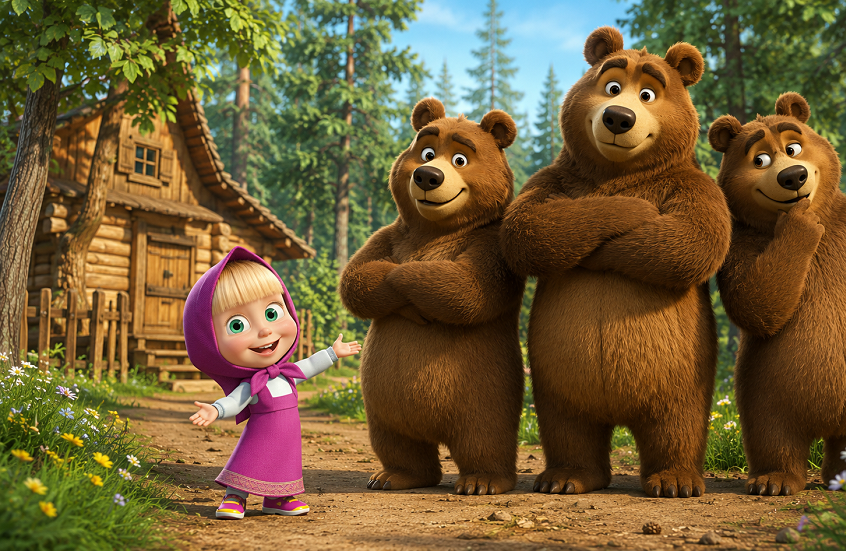
This proposal followed the American company Netflix acquiring the rights to broadcast two additional seasons of "Masha and the Bear." The ban idea sparked widespread reactions among users of the platform X (formerly Twitter), which is banned in Russia. The proposal was deemed trivial, and the MPs who initiated it were described as "failures."
A new animated series titled "Masha and the Three Bears" was also announced.
The Spectator article stated, "We should not demonize everything Russian, everything coming from Russia... Undoubtedly, we must combat such xenophobia."
Mark Galeotti, the article's author, explained that he was invited to participate in a radio program on BBC Radio 4 to comment on the British MPs' proposal to ban "Masha and the Bear." When he expressed that he found the idea foolish, he was asked if he could provide any arguments supporting the MPs' position. He replied that he found none, after which the radio station decided not to cover the topic further.
"Masha and the Bear" is a Russian animated series produced by the Animaccord studio. It has been translated into more than 40 languages and is broadcast almost worldwide through major global media companies. In April 2020, the series was listed among the five most beloved entertainment brands worldwide.